
Power Corrupts Quotes
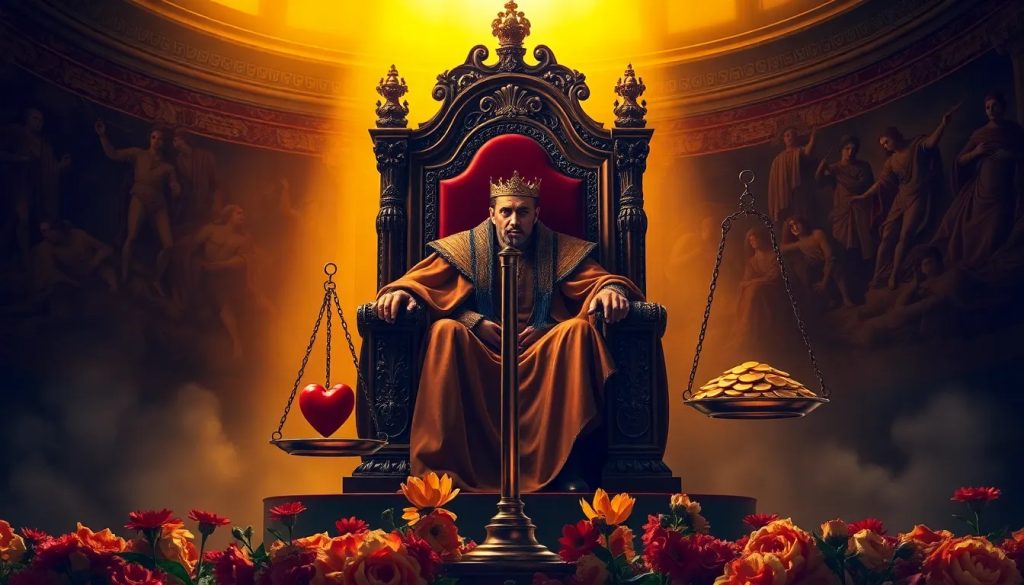
- Power corrupts quotes: Understanding the influence of power and authority
- Who first said ‘power corrupts …’?
- What is the context for Lord Acton’s line?
- How do Acton’s words apply to us today?
- What are some short power corrupts quotes?
- What is the meaning of ‘power corrupts’?
- How do power corrupts quotes reflect human nature?
- Are there funny quotes on corruption?
- The importance of liberty in the context of power
- Related themes to explore
The concept of power and its capacity to corrupt has been a subject of intrigue and concern throughout history. Power corrupts quotes encapsulate the philosophical and emotional struggles that arise from authority and control. These quotes resonate with individuals seeking to understand the complexities of human behavior and governance, reminding us of the potential dangers inherent in unchecked power. As society continues to grapple with the implications of authority, quotes about the corrupting nature of power remain profoundly relevant.
Through the lens of various thinkers, leaders, and philosophers, we examine the phenomenon of power and its consequences, which often lead to moral decay and societal injustice. Such insights prompt reflection and discussion, making power corrupts quotes a valuable part of our cultural conversations.
Who first said ‘power corrupts …’?
The phrase "power corrupts, and absolute power corrupts absolutely" is famously attributed to Lord Acton. Acton, a British historian from the 19th century, articulated this notion in a letter to Bishop Mandell Creighton in 1887. His warning about the nature of power has echoed throughout history, serving as a cautionary tale regarding authority.
Acton believed that individuals in positions of power often succumb to greed and arrogance, leading to moral decline. His assertion emphasized that power, when unchecked, can lead to tyranny and oppression. The importance of this quote lies not only in its historical context but also in its enduring relevance in modern discourse.
What is the context for Lord Acton’s line?
Lord Acton’s commentary emerged during a time marked by political upheaval and the rise of authoritarian regimes. His critiques were directed at the moral implications of political power, particularly in the context of the Vatican's authority and the consequences of papal infallibility. Acton's concerns highlighted the dangers of centralized power, which can lead to abuses and corruption.
In a broader sense, the context of Acton's line reflects a consistent theme in history: the struggle between liberty and authority. The phrase encourages skepticism towards leaders and institutions that wield power without accountability. This sentiment continues to resonate, particularly in contemporary discussions about governance and social justice.
How do Acton’s words apply to us today?
In modern society, the essence of Acton’s warning remains significant. The concentration of power in governments, corporations, and various institutions often leads to ethical lapses and corruption. The rise of social media and technology has further complicated the landscape, creating new dynamics of influence and control.
Today, many individuals and movements advocate for transparency and accountability, underscoring the importance of ethical leadership. The relevance of power corrupts quotes is evident in ongoing debates about governmental authority, corporate ethics, and social justice initiatives.
Furthermore, the rise of populism and authoritarianism across the globe has reignited discussions surrounding the balance of power, reminding us of the necessity for vigilance in protecting democratic values.
What are some short power corrupts quotes?
- “Power tends to corrupt, and absolute power corrupts absolutely.”
- “Corruption is the price we pay for power.”
- “Those who seek power are often the ones who should not wield it.”
- “Power is a dangerous game; one must tread carefully.”
- “Authority without accountability breeds corruption.”
These power corrupts quotes short serve as poignant reminders of the inherent risks associated with authority. They encapsulate the essence of the struggle against corruption, urging individuals to reflect on the moral implications of power.
What is the meaning of ‘power corrupts’?
The phrase "power corrupts" suggests that the very act of holding power can lead individuals to adopt unethical behaviors and decisions. This phenomenon is often attributed to the human tendency to prioritize personal gain over collective well-being. As individuals gain power, they may become desensitized to the consequences of their actions.
The meaning extends beyond personal conduct; it reflects systemic issues within institutions and societies. When power is concentrated in the hands of a few, it can foster an environment conducive to corruption, resulting in a breakdown of trust and integrity.
Ultimately, the phrase serves as a warning—a call to recognize and address the potential for moral decay that accompanies unchecked authority.
How do power corrupts quotes reflect human nature?
Power corrupts quotes often reveal deep insights into human psychology and behavior. They underscore the reality that individuals are susceptible to the allure of power, which can cloud judgment and distort values. Quotes about power and control serve as a reflection of this vulnerability, highlighting the ethical dilemmas faced by those in positions of authority.
The struggle between moral integrity and the desire for power is a recurring theme in history. Individuals such as Caligula and various dictators exemplify the extremes of corruption, illustrating how power can lead to disastrous outcomes for both leaders and societies alike.
These reflections remind us of the importance of fostering a culture of accountability and moral vigilance to mitigate the corrupting influence of power.
Are there funny quotes on corruption?
Humor can serve as a powerful critique of corruption, often illuminating the absurdities and contradictions within systems of power. Funny quotes on corruption provide a lighter perspective on serious topics, allowing for reflection through satire.
- “The only thing worse than a politician is a politician with a conscience.”
- “I don’t trust politicians; they’re like diapers—full of crap and need to be changed often.”
- “If you think corruption is bad, try working in a bureaucracy.”
These humorous observations highlight the often ridiculous nature of corruption and serve to provoke thought and discussion about the state of authority.
The importance of liberty in the context of power
The relationship between liberty and power is a crucial aspect of understanding the dynamics of authority. Liberty acts as a counterbalance to the potential for corruption, fostering an environment where ethical behavior can thrive. When individuals are free to express dissent and hold leaders accountable, the risks associated with concentrated power are diminished.
Moreover, the importance of liberty extends to the realm of social justice, where the fight against corruption often intersects with the demand for equality and fairness. By advocating for civil rights and ethical governance, society can resist the corrosive effects of power.
Ultimately, preserving liberty is essential for safeguarding moral integrity and preventing the encroachment of corruption.
In addition to power corrupts quotes, readers may find it valuable to explore related themes such as:
- Corruption: Analyzing the various forms and implications of corruption in different contexts.
- Authority: Understanding the dynamics of power structures in society.
- Moral integrity: Examining the importance of ethical behavior in leadership.
- Government: Investigating the role of government in mitigating or exacerbating corruption.
- Social justice: Discussing how power dynamics influence social equality and justice.
These interconnected themes provide a deeper understanding of the complexities surrounding power and its consequences, enriching the discourse on authority and morality.
Recommended: