
Rights Quotes
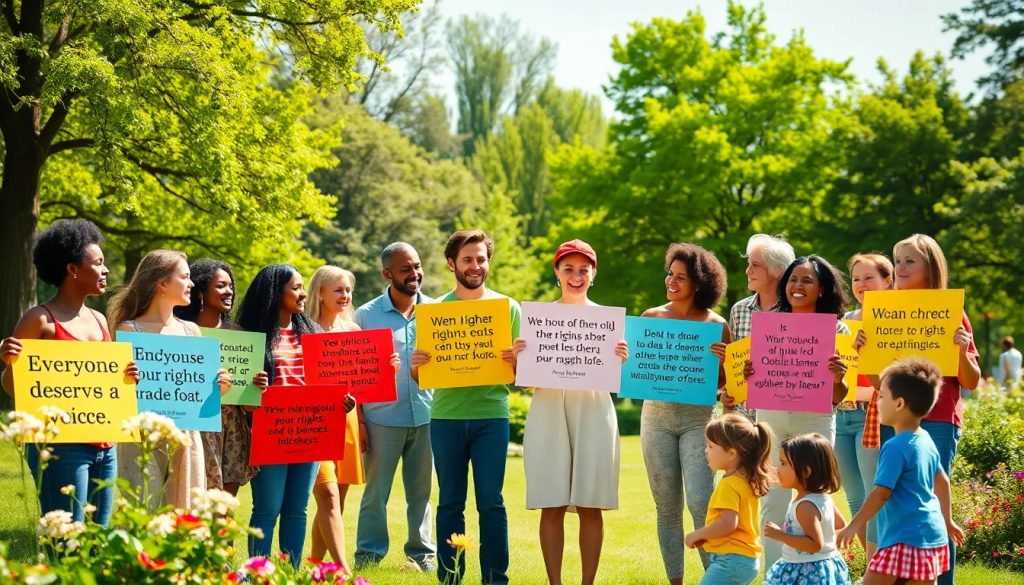
In a world striving for justice and equality, rights quotes serve as powerful reminders of the ongoing struggle for human dignity and respect. These profound words resonate deeply, carrying messages that inspire individuals to champion causes and stand up for the voiceless. By reflecting on these quotes, we not only acknowledge the achievements of past activists but also reinforce our commitment to continuing the fight for rights.
Whether they originate from renowned leaders like Martin Luther King Jr. or emerging voices such as Greta Thunberg, rights quotes encapsulate the essence of human rights, social justice, and activism. They inspire collective action, foster understanding, and promote acceptance, reminding us that the quest for equality is a shared responsibility.
- What are some inspiring rights quotes?
- How do rights quotes reflect human values?
- What are the most powerful civil rights quotes?
- Why are rights quotes important for activism?
- How can rights quotes inspire change in society?
- What role do rights quotes play in education?
- Who are the influential figures behind these quotes?
- What are the best rights quotes for students?
- Related themes to explore
What are some inspiring rights quotes?
Inspiring rights quotes come from a variety of figures who have dedicated their lives to the cause of justice. These quotes can uplift us and provide clarity during challenging times. For instance, one can find quotes emphasizing the importance of perseverance in the fight for equality.
- "Injustice anywhere is a threat to justice everywhere." – Martin Luther King Jr.
- "The time is always right to do what is right." – Martin Luther King Jr.
- "It is not enough to be non-racist; we must be anti-racist." – Angela Davis
Such quotes not only inspire personal reflection but also encourage discussions about the critical issues surrounding human rights. They serve as a reminder that changes often begin with individual courage and collective effort.
How do rights quotes reflect human values?
Rights quotes embody the fundamental values of humanity: freedom, equality, and justice. They often articulate the emotional and philosophical depths of the human experience, helping us understand the importance of standing up for what is right. These quotes resonate because they speak to universal truths that transcend cultures and generations.
They encourage us to reflect on our values and challenge our beliefs, promoting a deeper understanding of what it means to be human. By connecting with these quotes, individuals can gain clarity about their own values and the societal norms they wish to challenge or uphold.
Moreover, rights quotes foster empathy by highlighting diverse experiences and struggles faced by marginalized communities. They remind us of our shared responsibility to advocate for justice and fight against oppression.
What are the most powerful civil rights quotes?
Civil rights quotes often encapsulate the spirit of resilience and the unwavering fight for justice. Figures like Nelson Mandela and Malcolm X have left behind a legacy of powerful words. For example:
- "I have walked that long road to freedom. I have tried not to falter; I have made missteps along the way." – Nelson Mandela
- "You don’t have to be a man to fight for freedom. All you have to do is be an individual." – Laverne Cox
- "A man who stands for nothing will fall for anything." – Malcolm X
These quotes encapsulate the struggle for civil rights and remind us of the power of conviction in fighting for equality. They also emphasize that the journey toward civil rights is ongoing and that every voice counts.
Why are rights quotes important for activism?
Rights quotes play a pivotal role in activism, serving as rallying cries that inspire individuals and movements. They provide motivation and clarity, encouraging people to engage in advocacy and stand up for their beliefs. In moments of doubt, activists often turn to these empowering phrases to reignite their passion for justice.
Moreover, quotes can serve as tools for education and awareness. Sharing rights quotes on social media, in classrooms, or community gatherings can spark essential conversations about social issues and inspire collective action. Activists often use these quotes to create impactful visuals or campaigns that resonate with broader audiences.
By incorporating these quotes into their efforts, activists can elevate their messages, making them more relatable and accessible to diverse audiences. The ability of rights quotes to transcend time and space makes them invaluable in the continuing fight for justice.
How can rights quotes inspire change in society?
Inspiring change often starts with the simple act of sharing rights quotes. These quotes serve as catalysts for thought and discussion, pushing individuals to reflect on their values and the societal structures around them. When shared widely, they can reach individuals who may not actively engage with issues of rights and justice.
Furthermore, rights quotes can encourage personal action. Individuals inspired by these words may choose to engage in community service, activism, or advocacy work, contributing to a more just society. The ripple effect of one person’s inspiration can lead to collective movements aimed at creating systemic change.
Additionally, these quotes can be utilized in various forms of media, amplifying their impact. This includes art, literature, speeches, and online platforms, effectively reaching diverse audiences and fostering a culture of activism.
What role do rights quotes play in education?
In educational settings, rights quotes serve as essential tools for fostering discussions about social justice, history, and ethics. Educators can use these quotes to introduce complex topics and encourage critical thinking among students. By examining the context behind each quote, students can gain a deeper understanding of the struggles for rights throughout history.
Furthermore, rights quotes can inspire students to reflect on their own beliefs and values. This personal connection can lead to meaningful discussions about social responsibility and the importance of standing up against injustice in their communities.
- Encouraging group discussions about the meaning behind each quote.
- Incorporating quotes into projects on social justice themes.
- Using quotes as writing prompts for reflective essays.
By integrating rights quotes into the curriculum, educators can equip students with the knowledge and motivation necessary to advocate for change in their own lives and communities.
Who are the influential figures behind these quotes?
The landscape of rights quotes is rich with voices from various backgrounds and movements. Notable figures have emerged throughout history, each contributing uniquely to the discourse on human rights.
Nelson Mandela, a symbol of resilience, dedicated his life to dismantling apartheid in South Africa. His quotes serve as powerful reminders of the importance of perseverance in the fight for justice.
Martin Luther King Jr. is another towering figure whose words continue to resonate. His commitment to nonviolent resistance and equality has inspired countless individuals and movements worldwide.
Contemporary activists, such as Greta Thunberg and Laverne Cox, bring new perspectives to rights quotes. They address pressing social issues like climate change and LGBTQ+ rights, reminding us that the fight for justice takes many forms.
Together, these influential figures demonstrate that the quest for rights is a collective effort, transcending time and geography.
What are the best rights quotes for students?
Students can greatly benefit from engaging with rights quotes that resonate with their experiences and aspirations. Here are several examples:
- "Education is the most powerful weapon which you can use to change the world." – Nelson Mandela
- "No one can make you feel inferior without your consent." – Eleanor Roosevelt
- "The future belongs to those who believe in the beauty of their dreams." – Eleanor Roosevelt
These quotes can motivate students to pursue their education passionately and to believe in their capacity to effect change. Whether shared in classrooms or on social media, they can serve as daily affirmations of strength and resolve.
Rights quotes often intersect with several other themes worth exploring. These include:
- Human Rights: The foundation for all rights and freedoms.
- Social Justice: The pursuit of equal rights and fair treatment for all people.
- Activism: The active effort to promote social or political change.
- Equality: The belief in equal rights and opportunities for everyone.
- Civil Rights: The rights of citizens to political and social freedom and equality.
Exploring these themes further can deepen our understanding of the interconnectedness of various rights movements and the ongoing fight for justice.
Recommended: