
Soviet Quotes
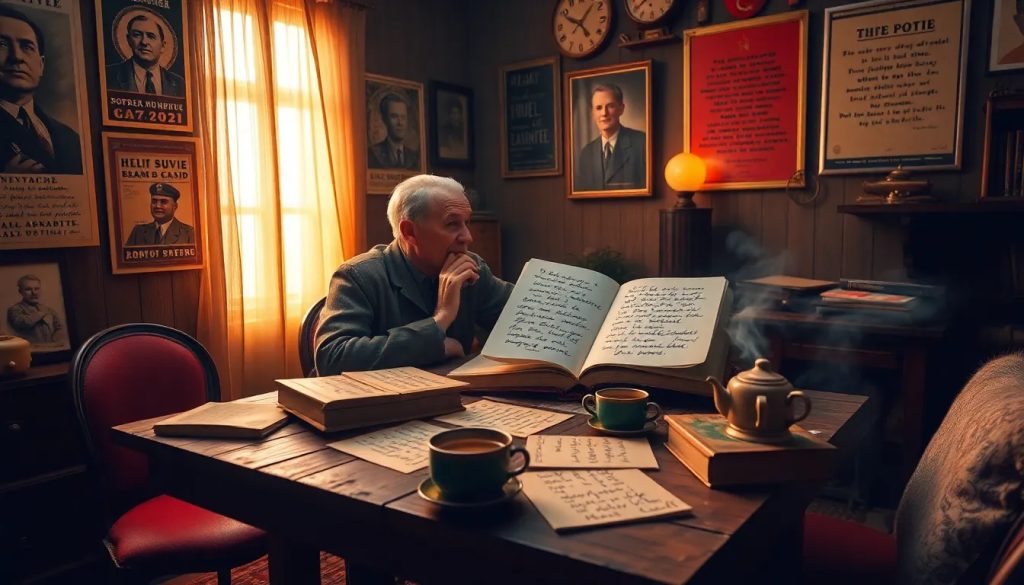
The enduring fascination with Soviet quotes stems from their profound encapsulation of an era that shaped the modern world. These snippets of wisdom, irony, and ideology offer a window into the emotional, philosophical, and social fabric of a society that lived under the unique pressures of the Soviet regime. They continue to resonate with people today, not just as historical artifacts but as reflections on human experience, resilience, and the complexity of power.
Whether it's the stark intensity of a political leader's declaration or the poignant observation of a citizen, these quotes capture the essence of the Soviet experience. They have become a means to ponder on the vast human narrative and the ideologies that drive societies, reminding us of the lessons history has to offer.
- Why people turn to Soviet quotes
- Main sub-themes in Soviet quotes
- Curated selection of notable Soviet quotes
- How to use quotes from the Soviet era
- Exploring related topics
- What are some famous Soviet quotes?
- How do Soviet quotes reflect Russian culture?
- Which Soviet quotes about love stand out?
- What is the meaning behind Joseph Stalin's quote "One death is a tragedy"?
- How do Stalin quotes about death reveal his ideology?
- What do Stalin quotes about capitalism convey about his views?
Why people turn to Soviet quotes
The search for Soviet quotes of wisdom often stems from a desire to understand the human condition under extreme circumstances. These phrases provide emotional clarity and inspire individuals who admire the resilience shown by those who lived through the Soviet era. They also serve as a means to validate the experiences of those who relate to the struggles depicted in these words.
For many, these quotes are a tool for reflection on past ideologies and power dynamics that continue to influence current affairs. They are also sought after for educational purposes, helping to understand the complexities of a society that has had a lasting impact on global history.
Main sub-themes in Soviet quotes
- Leadership and power: The dynamics of political authority and the nature of leadership are central themes, offering insights into the governance of the Soviet Union.
- Struggle and resilience: Quotes reflecting on the hardships faced by the Soviet people highlight the indomitable spirit required to endure challenging times.
- Propaganda and truth: The conflict between state-sponsored narratives and individual perception of truth is a recurring subject.
- Ideology and society: The influence of Marxist-Leninist doctrine on everyday life and societal structure is a profound sub-theme.
- Art and culture: The role of art, literature, and cinema in shaping and reflecting Soviet life is often explored through quotes.
- Love and humanity: Despite the harshness of the political climate, expressions of love and human connection persist as universal themes.
- Humor and satire: The use of wit as a coping mechanism and a form of subtle resistance is evident in Soviet humor.
Curated selection of notable Soviet quotes
Insights into the Soviet soul are often derived from the impactful words of its leaders, writers, and citizens. While quotes from Soviet cinema and public speeches have become emblematic of the era, the deeper meaning behind these words reveals much about the values, fears, and aspirations of those who lived through it.
As we examine the quotes below, we delve into the ideologies that shaped a nation and the rhetoric that both inspired and suppressed its people. The complex nature of these sayings demands thoughtful consideration and contextual understanding to truly grasp their significance.
How to use quotes from the Soviet era
Soviet quotes can be a powerful tool for a range of purposes. Inspiring Soviet quotes that motivate may be used in leadership and educational settings to stimulate discussion on historical leadership styles and their outcomes. In personal growth, these quotes can provide a lens for self-reflection and understanding of societal influences on individual behavior.
Socially, quotes can be shared to foster connection with others who have an interest in history and culture. They can also be used in writing and journalism to add depth to commentary on current events with historical parallels. Additionally, journaling with these quotations can help in exploring personal responses to the challenges of life and society.
The exploration of Soviet quotes often leads to an interest in related themes. Related themes include: the Cold War, authoritarian regimes, and Russian culture. These areas provide a broader context for understanding the scope and impact of Soviet ideology.
For those interested in the geopolitical legacy of the Soviet Union, examining the historical context of Soviet quotes reveals how they have influenced international relations and political thought. In literature and the arts, the evolution of Soviet themes reflects changing attitudes and the gradual emergence of new cultural narratives.
What are some famous Soviet quotes?
When reflecting on the historical context of Soviet quotes, one can find a plethora of phrases that have become symbolic of the time. These famous Soviet quotes encapsulate the ideological convictions and societal challenges faced during the Soviet era, each offering a unique perspective on the human experience.
From the bold assertions of political leaders to the subtle critiques found in literature and film, these quotes serve as historical touchstones that continue to resonate with audiences today. They are more than mere words; they are the echoes of a past that still shapes our present.
How do Soviet quotes reflect Russian culture?
To understand the cultural significance of Soviet movies and the quotes they produced, one must delve into the intricate relationship between language, cinema, and society. The wit and wisdom captured in Soviet films often reflect the humor and pathos of Russian life, idiomatic expressions, and the resilience of the human spirit.
These quotes provide a unique insight into Russian culture, allowing us to appreciate the wit, irony, and complexity that characterize Russian communication. They stand as testament to the power of art to mirror and challenge the status quo, providing a valuable lens through which we can view and understand a pivotal period in world history.
Which Soviet quotes about love stand out?
In an era often defined by its political and social strife, the enduring theme of love remains a poignant counterpoint. Soviet quotes about love stand out for their heartfelt sincerity and the stark contrast they provide against the backdrop of a society characterized by struggle and control.
These expressions of love and human connection remind us of the universality of this fundamental emotion, transcending time and ideology. They illustrate that even in the most challenging of circumstances, the human spirit seeks connection, affection, and understanding.
What is the meaning behind Joseph Stalin's quote "One death is a tragedy"?
Among the many Soviet quotes reflecting resilience and power, Joseph Stalin's assertion that "One death is a tragedy; a million deaths is a statistic," is particularly notable. This chilling remark sheds light on the dissonance between individual human suffering and the impersonal nature of mass tragedy in the context of Soviet policy.
Stalin's words reveal a harsh reality of governance under an authoritarian regime, where the sanctity of individual life is often overshadowed by the grand narrative of the state. This quote compels us to reflect on the moral responsibilities of leadership and the human cost of political ambition.
How do Stalin quotes about death reveal his ideology?
Stalin's quotes about death not only reflect his personal views but also expose the broader ideology that underpinned his rule. They are a stark reminder of the grim realities of the Soviet era, marked by purges, famines, and state-sanctioned violence.
These quotes offer an unvarnished look into the mindset of a leader who was willing to justify extreme measures in the pursuit of his vision for the Soviet Union. They serve as a dark testament to the ways in which political dogma can eclipse the value of human life.
What do Stalin quotes about capitalism convey about his views?
Stalin's comments on capitalism provide a revealing counterpoint to his own policies and practices. His criticism of capitalist systems as exploitative and iniquitous was part of a broader Soviet narrative that positioned communism as the superior alternative.
These quotes underscore the ideological battle that defined much of the 20th century, showcasing the deep-seated antagonism between competing economic and political models. They continue to fuel debate on the relative merits and pitfalls of different societal structures.
In the end, exploring impactful Soviet quotes on leadership and various aspects of life during the Soviet era offers us a profound understanding of a complex and often contradictory time. Through these quotes, we gain insight into the minds and hearts of those who lived through this defining chapter in history, and we are reminded of the enduring human capacity for both darkness and light.
Recommended: