
Terrorist Quotes
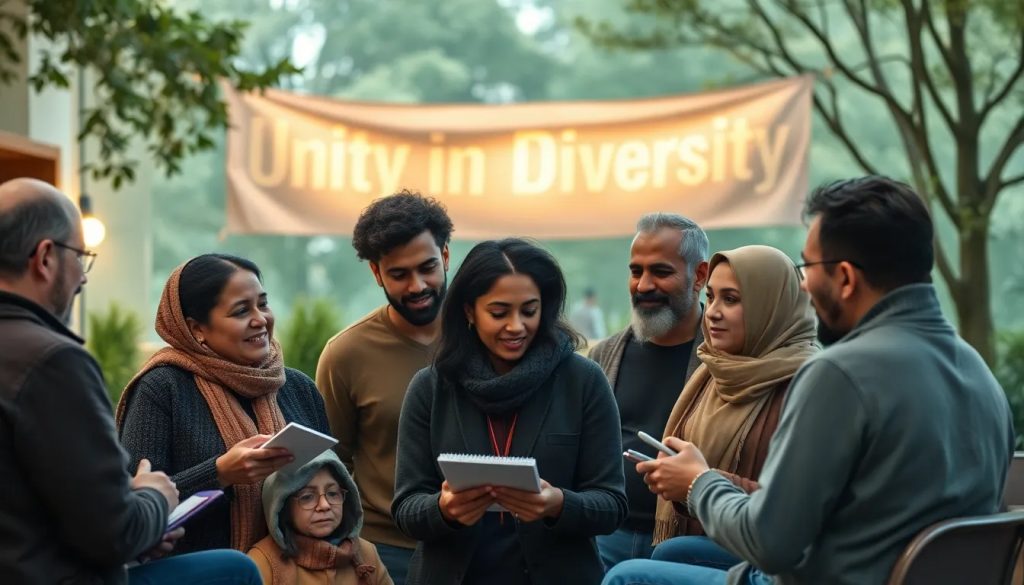
Quotes related to terrorism often carry a heavy weight, reflecting the deep-rooted moral and emotional complexities of human nature. They serve as a stark reminder of the devastation that extremist ideologies can cause, pushing us to ponder on societal issues and our roles within them. People turn to terrorist quotes not to glorify violence, but to seek understanding and inspire meaningful change. Through these powerful words, we gain insight into the minds behind the acts and the collective response of humanity to such dark chapters of history.
What Are The Most Powerful Terrorist Quotes?
When exploring the most powerful terrorist quotes, we delve into statements that have both shocked and shaped the world's consciousness. These phrases often resonate deeply, prompting a mixture of introspection and outrage. They can be chilling reminders of the consequences of radicalization or powerful calls to action against the spread of hatred and violence.
The impact these words have had on society is immense, with many becoming a rallying cry for peace or a call to understand the root causes of terrorism. They compel us to confront uncomfortable truths about our world and challenge us to strive for a better future.
Understanding terrorism through quotes aids in the deconstruction of extremist narratives and can empower individuals to stand against ideologies that foster division and fear.
How Do Terrorist Quotes Reflect Human Nature?
At their core, terrorist quotes reflect the dual aspects of human nature: our capacity for great evil and our enduring resilience against it. They shed light on how individuals can be driven to commit unspeakable acts, but also how society rallies to condemn and overcome such acts.
These quotes often emerge from situations of social injustice and terrorism, where individuals feel marginalized and voiceless. They can highlight the grievances that fuel radicalization, yet also the moral implications of choosing violence over dialogue.
Examining such quotes helps us to dissect the complex layers of human emotion, motivation, and the ethical struggles that surround the concept of terrorism. It is through this understanding that we can begin to address the causes and work towards preventing the cycle of violence.
What Insights Do Islamic Leaders Offer About Terrorism?
The insights offered by Islamic leaders about terrorism are crucial, as they provide a counter-narrative to the misuse of faith for violent ends. Figures like Sheikh Yusuf al-Qaradawi emphasize that true Islamic teachings advocate for peace and tolerance, not harm and chaos.
These leaders play an instrumental role in combating terrorism by educating the masses about the peaceful interpretations of Islam and denouncing acts that distort the religion's true essence. Their voices are paramount in the fight against extremism, as they offer a perspective rooted in faith and genuine understanding.
Their quotes serve as a bridge between different cultures and religions, promoting dialogue and mutual respect. By highlighting the common values shared by all peaceful societies, they encourage unity and collective action against the forces that seek to divide.
How Does Literature Address The Theme Of Terror?
Literature has a profound way of exploring the theme of terror, often delving into the psyche of both the perpetrator and victim. Works like those from Harry Potter and Bulgakov examine the depths of human fear and the capacity for good to triumph over evil.
Characters like Snape from Harry Potter demonstrate the ambiguities and complexities of individuals embroiled in terror. Through these narratives, authors like Levine reveal the multifaceted nature of terror and its impact on society, challenging us to look beyond the surface.
Literary quotes about terror force us to confront our own understanding of morality, justice, and how we might react in the face of such profound threats. They also offer catharsis and a way to process the often overwhelming emotions that terrorism elicits.
What Is The Connection Between Terrorism And Societal Issues?
The connection between terrorism and societal issues is undeniable. Often, acts of terror stem from deep-seated grievances related to social injustice and terrorism. These grievances can range from economic disparity to racial and religious discrimination, and they create fertile ground for radicalization.
Quotes from both victims and perpetrators of terrorism can shine a light on these societal flaws, prompting discussions on how to tackle the root causes. They show us that in order to combat terrorism effectively, we must also address the conditions that allow such ideologies to flourish.
By exploring this connection, we can begin to understand the broader context in which terrorism arises and the collective effort needed to build societies that resist the lure of extremism.
How Can Education Help Combat Terrorism?
Education is a powerful tool against terrorism, as it fosters critical thinking, empathy, and a deeper understanding of different cultures and perspectives. It equips individuals with the skills necessary to challenge extremist ideologies and promotes peaceful conflict resolution.
- By providing a platform for dialogue, education helps dispel myths and stereotypes that often feed into terrorist narratives.
- It encourages young minds to embrace diversity and understand the value of coexistence.
- Educational initiatives can counteract the allure of radical groups by offering alternative narratives and opportunities for engagement.
- Through learning, we can build resilience in communities and reduce the likelihood of individuals being drawn into cycles of violence.
The role of leaders and educators in this process is paramount, as they guide the next generation in navigating the challenges of an interconnected world.
In conclusion, terrorist quotes compel us to reflect on the darker aspects of human experience while affirming our collective resolve to oppose hatred and violence. By analyzing these powerful statements, we can glean insights into the moral struggles of our time and the importance of unity in the face of terror. While the challenges are significant, the journey towards understanding and reconciliation is a testament to the enduring spirit of humanity.
Recommended: