
Totalitarianism Quotes
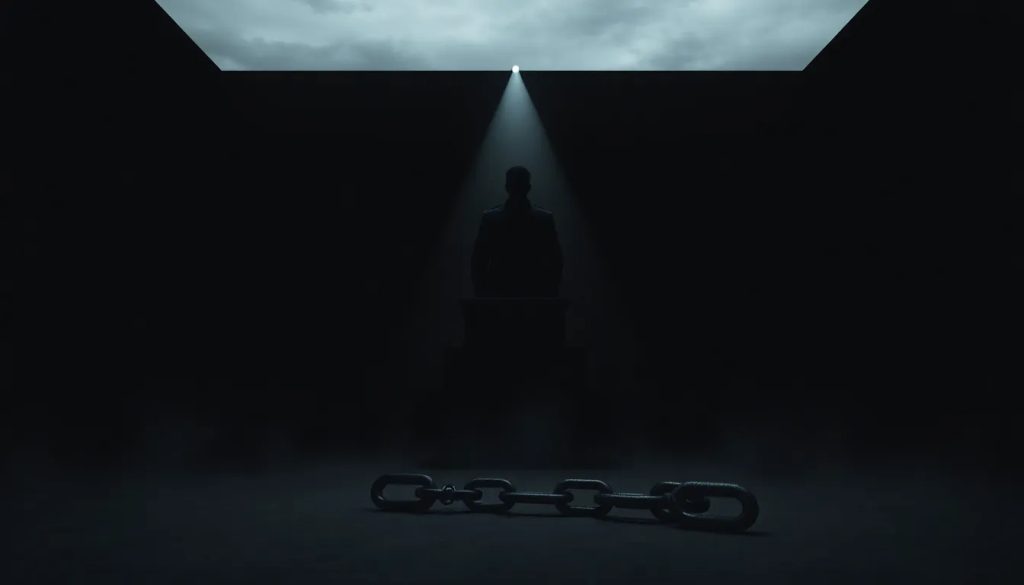
Totalitarianism quotes serve as poignant reminders of humanity's struggles against oppressive regimes. They elucidate the emotional, philosophical, and social ramifications of living under such rule, and why they resonate through time. People seek out and share these quotes not only as a historical lesson but also as a testament to the enduring human spirit in the face of tyranny.
These quotes are more than mere words; they are the distilled wisdom and warning from those who have witnessed the extremes of human governance. They continue to be popular because they offer insight into the dangers of unchecked power and the importance of preserving freedom and democracy.
- What are the most notable totalitarianism quotes?
- How does George Orwell illustrate totalitarianism in his quotes?
- What insights can we gain from the origins of totalitarianism quotes?
- How do quotes about totalitarianism reflect the nature of oppressive regimes?
- What can we learn from quotes about fascism and totalitarianism?
- How do totalitarianism quotes warn against the manipulation of truth?
- Practical applications of totalitarianism quotes
- Exploring related themes
What are the most notable totalitarianism quotes?
Totalitarianism, a system where the state holds total authority over society and seeks to control all aspects of public and private life, has been the subject of many powerful quotes. These encapsulate the essence of what it means to live under such a regime. Understanding the gravity of these words can provide us with a glimpse into the oppressive nature of authoritarian governments.
Quotes from prominent figures like George Orwell and Hannah Arendt offer deep insights into the workings of totalitarian systems. They highlight the destruction of individualism and the manipulation of truth as tools for maintaining power. Their words serve as a stark warning to future generations.
By reflecting on these sayings, we can gain a better understanding of the psychological and societal impact of totalitarianism. These totalitarianism quotes are not just historical artifacts; they carry messages that are still relevant in today's world, where freedom is still threatened by various forms of authoritarianism.
How does George Orwell illustrate totalitarianism in his quotes?
George Orwell, through his dystopian novels and insightful essays, painted a vivid picture of totalitarian societies. His quotes often draw from his profound understanding of the mechanisms of oppression and control utilized by such regimes.
Orwell's words warn us about the dangers of losing our freedom of thought and expression. He illustrates how totalitarian regimes strive to control not just actions but also the minds of their subjects. Orwell's vision emphasizes that true liberty includes the right to say what others may not want to hear.
His quotes serve as a reminder that the struggle against totalitarianism is not just fought on battlefields but within the hearts and minds of individuals. He urges us to resist the erosion of truth and the spread of propaganda, which he saw as the hallmarks of oppressive governments.
What insights can we gain from the origins of totalitarianism quotes?
The origins of totalitarianism quotes lie in the experiences and observations of those who have lived through or studied such regimes. From these origins, we can extract valuable lessons on the importance of maintaining a vigilant society.
Hannah Arendt's works, for example, delve into the origins and nature of totalitarian movements. Her insights offer a comprehensive look at the methods used by such regimes to obtain and maintain power. Arendt's quotes remind us of the need to understand the historical and social contexts that give rise to totalitarianism, to prevent its recurrence.
Similarly, quotes from figures like Eugene Debs and Mahatma Gandhi provide perspectives on the moral and ethical implications of living under such rule. They call for courage and steadfastness in the face of seemingly insurmountable odds.
How do quotes about totalitarianism reflect the nature of oppressive regimes?
- Quotes on the dangers of totalitarianism highlight the systematic erosion of individual rights and freedoms.
- They reflect the pervasive fear and mistrust that permeates societies under authoritarian rule.
- Such quotes often point out the use of propaganda and misinformation to control and manipulate the populace.
- They underscore the importance of critical thinking and open discourse as antidotes to the spread of totalitarian ideologies.
Through these quotes, we see a mirror reflecting the stark reality of life where the state exerts control over every aspect of existence. They serve as a powerful testament to the resilience of the human spirit in the face of such adversity.
What can we learn from quotes about fascism and totalitarianism?
Quotes about fascism and totalitarianism offer us lessons about the extreme consequences of allowing power to be concentrated in the hands of a few. They teach us about the importance of maintaining a democratic society where checks and balances prevent the rise of dictatorial powers.
They also compel us to examine the socio-political dynamics that can lead to such oppressive systems. By studying these quotes, we can learn to recognize the early signs of totalitarian tendencies in our own societies and understand the critical importance of taking action before it is too late.
Furthermore, the words of those who have opposed fascism and totalitarianism provide guidance on how we might confront and combat such ideologies. They inspire activism and encourage a commitment to the principles of freedom and equality.
How do totalitarianism quotes warn against the manipulation of truth?
Totalitarianism quotes often focus on the manipulation of truth as a key tactic employed by authoritarian regimes. They warn us about the dangers of allowing those in power to dictate reality and the corrosive effect this has on society.
By distorting facts and repressing dissent, totalitarian governments strive to create a singular narrative that supports their rule. Quotes from figures like Noam Chomsky and George Orwell highlight the crucial role that truth plays in a free society and the need to protect it from those who would undermine it for their own ends.
These quotes call for vigilance and assert the importance of a free press and the free exchange of ideas as bulwarks against the encroachment of totalitarianism. They remind us that truth is often the first casualty in the struggle for power, and its defense is paramount in preserving our freedom.
Practical applications of totalitarianism quotes
Studying totalitarianism quotes can have practical applications in our daily lives and in the broader society. These applications range from academic pursuits to fostering civic engagement and personal reflection.
For instance, educators can use these quotes to teach students about history and the importance of civil liberties. Activists and policymakers can draw on these words for inspiration and guidance in their work to uphold democratic principles and human rights.
On a personal level, reflective individuals may use these quotes as a source of strength and a reminder to stay informed and engaged in the political process. The quotes can serve as a catalyst for writing, discussion, and debate, sharpening our understanding of the values we hold dear.
Related themes include freedom, democracy, and the struggle against oppression. These concepts are deeply interconnected with totalitarianism, as they represent the antithesis of authoritarian control.
In pursuit of a more comprehensive understanding of totalitarianism, one might also explore the concept of authoritarianism and its manifestations in different contexts. The juxtaposition of these themes can provide a richer perspective on the spectrum of governance and the ongoing quest for liberty and justice.
The relationship between totalitarianism and manipulation is another critical area of inquiry. Examining this connection can shed light on the mechanisms by which totalitarian regimes seek to maintain power and the means by which individuals and societies can resist and overturn such control.
Recommended: