
Trifles Quotes
Susan Glaspell Quotes: Exploring "Trifles"
The play "Trifles" by Susan Glaspell offers a profound look into the lives of women and the societal expectations they face. Through her narrative, Glaspell captures the essence of American life, particularly the struggles women endure in silence. Trifles quotes resonate with readers as they provide emotional, philosophical, and social commentary, making them timeless pieces of literature.
Quotes from "Trifles" continue to be popular as they encapsulate the raw human experience, reflecting the themes of gender roles, justice, and isolation. They serve as a testament to the depths of human empathy and the complexities of seemingly simple lives.
- What Are Some Notable Trifles Quotes?
- How Do Trifles Quotes Reflect Gender Roles?
- What Are The Key Themes In Trifles Quotes?
- Where Can I Find Trifles Quotes With Page Numbers?
- What Are The Most Impactful Mrs. Peters Quotes In Trifles?
- How Does Susan Glaspell Use Trifles To Comment On Society?
- What Is The Significance Of The Title "Trifles"?
What Are Some Notable Trifles Quotes?
"Trifles" is filled with dialogue that speaks volumes about the human condition. One notable quote, "We live close together and we live far apart," captures the essence of isolation and disconnectedness felt by the characters. These words echo the sentiment that physical proximity does not necessarily equate to emotional closeness.
Another impactful line, "A man's home is his castle," ironically highlights the divide between the domestic sphere—a woman's domain—and the outside world, predominantly ruled by men. This dichotomy presents a stark reality faced by many women and is a recurring theme in Glaspell's work.
The significance of the seemingly inconsequential is underscored through the quote, "Oh, I guess they're not very dangerous things the ladies have picked out." This line showcases how the male characters belittle the domestic space and, by extension, the women's lives and experiences.
How Do Trifles Quotes Reflect Gender Roles?
The dialogue in "Trifles" is a mirror to the gender roles imposed by society. The play subtly critiques the expectations placed on women through the lens of a murder investigation. The men in the play, assuming a superior knowledge of 'important matters,' fail to recognize the significance of the women's findings.
Through quotes like, "Women are used to worrying over trifles," Glaspell exposes the dismissive attitude towards women's intelligence and their perceived preoccupation with the domestic sphere. This line is a powerful reflection on how women's insights are often undervalued.
Furthermore, Mrs. Hale's words, "I know how things can be—for women," speak to the shared experience of women and the silent understanding of the burdens they carry. This quote encapsulates the empathy women have for each other, often forged through shared adversity.
What Are The Key Themes In Trifles Quotes?
"Trifles" is rich with themes that delve into the human psyche. The feminist themes in Trifles quotes stand out, depicting women's struggles for autonomy and recognition within their homes and society.
Justice is another theme that Glaspell explores, questioning whether the legal system is truly just. The women in the play pursue their sense of justice by hiding evidence, challenging the notion of what is lawful versus what is right.
The theme of isolation is palpable in the characters' dialogue, reflecting their internal and external seclusion. The play's setting, a rural farmhouse, physically isolates the characters, while their secrets and true feelings further deepen their emotional isolation.
Where Can I Find Trifles Quotes With Page Numbers?
For those interested in a deeper literary analysis, finding Trifles quotes with page numbers is essential. These can typically be found in annotated versions of the play or through academic databases that offer comprehensive resources for students and scholars.
When referencing quotes for scholarly work, it is important to use a version of the text that aligns with the edition specified by the assignment or publication. This ensures accuracy and proper citation.
Many online resources also provide detailed breakdowns of the play, including page numbers for some of the most significant quotes. This can be valuable for those studying the play in a more formal setting.
What Are The Most Impactful Mrs. Peters Quotes In Trifles?
Mrs. Peters, the sheriff's wife, delivers some of the most poignant lines of the play. Her observation that "The law has got to punish crime, Mrs. Hale" reveals her internal conflict between upholding the law and empathizing with the plight of another woman.
Her transformation throughout the play is evidenced by quotes that show her gradual move from a law-abiding citizen to someone who understands the subtleties of justice. Her line "I know what stillness is" captures her recognition of the loneliness and despair that can lead to desperate actions.
As Mrs. Peters grapples with her own perceptions of right and wrong, her words serve as a powerful testament to the evolving roles and consciousness of women during the time the play was written.
How Does Susan Glaspell Use Trifles To Comment On Society?
In "Trifles," Susan Glaspell uses the small details of domestic life to make larger comments on society. She presents a microcosm of the broader societal dynamics and the subjugation of women through the condescension of male characters toward the female characters' concerns.
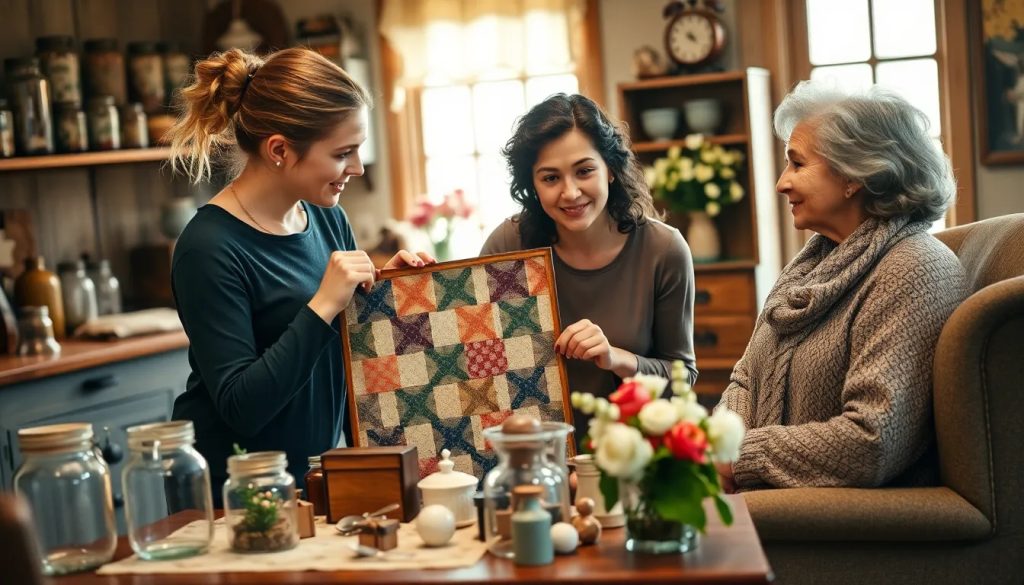
Glaspell's use of the play's setting and objects, such as a broken birdcage or a quilt, become symbols of the characters' lives and their entrapment within societal norms. These trifles represent the unspoken struggles and the hidden depths of women's experiences.
The conversations between characters reveal the disparities in how men and women view justice, relationships, and responsibilities. Glaspell's commentary is a subtle yet scathing critique of the male-dominated society of her time, which still resonates today.
What Is The Significance Of The Title "Trifles"?
The title "Trifles" itself is significant as it encapsulates the central message of the play. It refers to the small things that are often disregarded by men but hold great meaning and value in the lives of women.
The title is a commentary on the perception of women's roles as inconsequential. It challenges the audience to consider the importance of the domestic sphere and the hidden narratives within. The irony of the title is that these 'trifles' are, in fact, the key to understanding the true story and the characters' motives.
Glaspell's choice of title is a deliberate statement on the power of the unnoticed and unappreciated, urging readers to look beyond the surface and recognize the complexities that lie within the simplest aspects of life.
Selecting a video to include in this article, here is an insightful resource for those looking to delve deeper into the themes and characters of "Trifles":
Understanding Trifles quotes is more than just reading lines from a play; it's about appreciating the layered meanings and historical context that Susan Glaspell so masterfully weaves into her work.
Related themes include: feminism, literary analysis, and the domestic sphere. These concepts are intertwined with the play's message and offer readers a gateway to explore broader societal expectations and empathy.
Recommended: