
Unacceptable Quotes
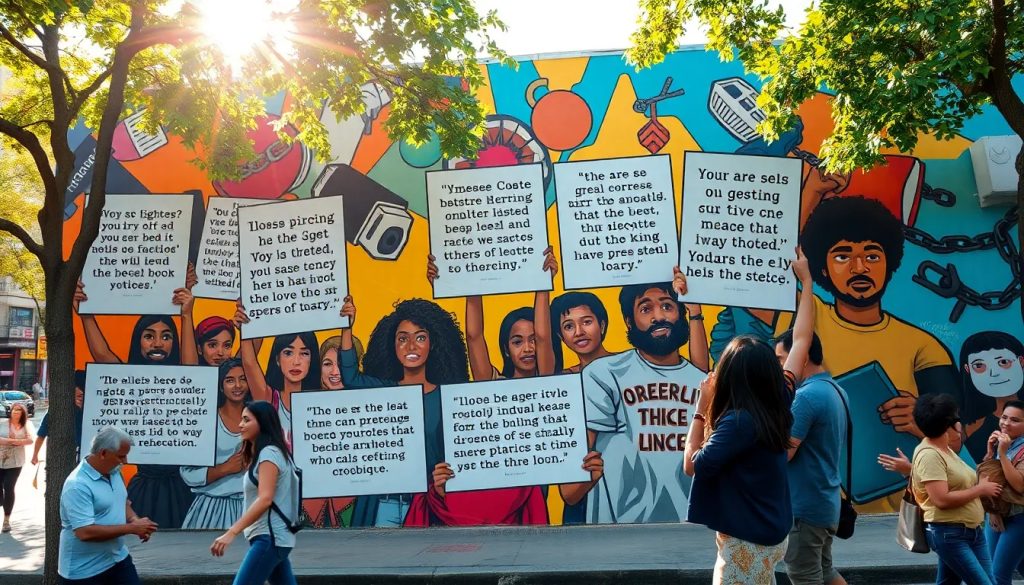
When we come across unacceptable quotes, it often provokes a strong reaction. These are the words that challenge our sense of right and wrong, compelling us to reflect on the boundaries of conduct in society. Understanding the impact of unacceptable behavior through quotes is not just about acknowledging what is socially intolerable, but also about recognizing the emotional and philosophical responses they evoke within us.
Quotes related to unacceptable behavior continue to resonate because they touch on universal human experiences. They serve as reminders of the standards we set for ourselves and others, and often reflect the consequences of crossing those lines. In exploring these quotes, we gain insights into the complexity of human relationships and the importance of maintaining a respectful and balanced life.
Why are unacceptable quotes important?
Unacceptable quotes are more than just words; they are reflections of deeper societal issues that need to be addressed. These quotes often emerge from situations where someone's actions or words have crossed a line, leading to hurt or harm. By shining a light on these moments, quotes about unacceptable behavior bring to the fore the need for emotional clarity and serve as a call to action for change.
Moreover, they are essential tools for self-reflection and personal development. By confronting the discomfort that comes with recognizing unacceptable behavior, individuals are prompted to consider their own values and boundaries. This process is critical in shaping one's identity and interactions with others.
These quotes also spur discussions about cultural norms and the evolution of acceptability in society. What was once deemed unacceptable may change over time, and vice versa, leading to an ongoing conversation about morality and ethics.
Lastly, the importance of these quotes lies in their ability to empower people to take a stand against toxicity and to strive for healthier relationships, both with themselves and others.
How can unacceptable quotes affect relationships?
Relationships are built on a foundation of respect and understanding, and when unacceptable behavior goes unchallenged, it can erode that very foundation. Quotes that highlight these behaviors remind us of the significance of setting and respecting boundaries. They encapsulate the emotional toll that unacceptable actions can take on personal connections, often leading to feelings of disrespect and devaluation.
At the same time, such quotes can serve as a catalyst for important conversations between partners, friends, or colleagues. By acknowledging the impact of certain behaviors, relationships can become stronger as parties work together to establish a more respectful and supportive dynamic.
However, without addressing the root causes of unacceptable behavior, these quotes can also perpetuate a cycle of negativity. It's therefore crucial to not only recognize but also to understand and act upon the messages behind these powerful words.
How to respond to unacceptable behavior?
- Recognize the behavior: The first step is to identify what actions or words are considered unacceptable within the context of the relationship.
- Communicate effectively: Approach the person exhibiting the behavior with your concerns, and express how it affects you and the relationship.
- Set clear boundaries: Establish what is and isn’t acceptable, ensuring that both parties understand the consequences of crossing these boundaries.
- Seek support if necessary: Sometimes, addressing unacceptable behavior requires assistance from outside the relationship, such as a mediator or counselor.
- Take action: If the behavior continues despite attempts to address it, consider taking stronger measures to protect your well-being.
What is the role of boundaries in addressing unacceptable actions?
Boundaries are the invisible lines we draw to protect our well-being and maintain a sense of self-respect. When addressing unacceptable actions, setting clear boundaries is pivotal. They act as guidelines for behavior and ensure that individuals understand the implications of overstepping them.
Healthy boundaries can foster mutual respect and create a safe environment for open communication. They empower individuals to assert themselves and make it known when unacceptable behavior will not be tolerated. In essence, boundaries are the preventative measures that keep relationships respectful and equitable.
The role of boundaries extends beyond personal interactions, influencing societal norms and expectations. They serve as a collective agreement on what constitutes acceptable conduct, shaping the fabric of communities and cultures.
How to foster self-respect to combat unacceptable treatment?
Cultivating self-respect is a powerful antidote to unacceptable treatment. It begins with self-awareness – knowing your worth and understanding that you deserve to be treated with dignity and consideration. Fostering self-respect requires an unwavering commitment to your values and the courage to stand up for yourself when faced with disrespect.
One practical way to build self-respect is through assertiveness training. Learning to express your thoughts and needs clearly and respectfully can help you navigate situations where your boundaries are challenged. Additionally, surrounding yourself with supportive, like-minded individuals can reinforce your resolve and provide a nurturing environment in which to thrive.
Self-care is another vital aspect of fostering self-respect. Engaging in activities that nurture your physical, emotional, and mental health can enhance your sense of self-worth, making you less likely to accept unacceptable treatment from others.
Ultimately, self-respect is about taking control of your life and environment, becoming an active participant in how you are treated, rather than a passive recipient of other people's actions.
Acceptability, cultural norms, personal boundaries, self-esteem, and toxic relationships are all interconnected concepts that often overlap with the topic of unacceptable quotes. While unacceptable behavior quotes for personal growth shed light on the path to self-improvement, unacceptable quotes that inspire change encourage a broader societal reflection. Setting boundaries against rejection of unacceptable treatment in relationships is a common sub-theme in this dialogue, as is using humor with funny unacceptable quotes to cope with adversity.
As we delve deeper into the nuances of unacceptable quotes and the behaviors they condemn, we are reminded that such words hold the power to provoke thought, inspire action, and ultimately contribute to a more respectful and balanced life.
Recommended: