
Vietnamese Quotes
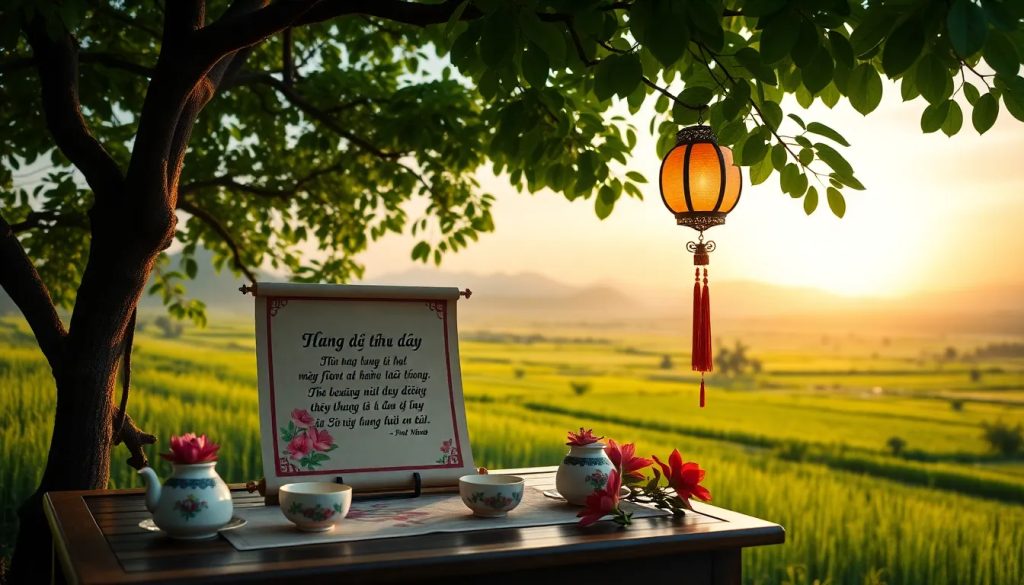
Vietnamese quotes are more than just a collection of words; they are a gateway to understanding the heart and soul of Vietnamese culture. These sayings offer deep insights into the values, history, and philosophy of the Vietnamese people. Their popularity endures because they provide wisdom that transcends time, offering guidance and reflection for generations.
Vietnamese quotes about life, love, and family reveal the collective values that are central to social behavior in Vietnam. They are a testament to the cultural wisdom passed down through generations, reflecting the importance of language learning and moral lessons in Vietnamese society.
- The importance of Vietnamese quotes in understanding culture
- What are some well-known Vietnamese quotes about life?
- How do Vietnamese quotes reflect family values?
- What are the most inspirational Vietnamese quotes about love?
- How can Vietnamese quotes enhance language learning?
- What are some beautiful sayings in Vietnamese?
- How do Vietnamese proverbs teach moral lessons?
The importance of Vietnamese quotes in understanding culture
Vietnamese culture is deeply rooted in respect for family, tradition, and the collective over the individual. Vietnamese quotes offer a unique perspective into this culture, encapsulating core societal values and collective wisdom. They act as a bridge connecting the past to the present, allowing us to glimpse into the age-old traditions that still influence modern Vietnamese life. These quotes are not mere expressions; they are the embodiment of Vietnamese ethos.
Understanding these quotes provides us with emotional clarity and validation of the enduring human experiences shared across this culture. They serve as both a mirror reflecting societal mores and a window opening to a rich historical landscape.
What are some well-known Vietnamese quotes about life?
Life in Vietnamese quotes is portrayed as a journey filled with both challenges and triumphs. Sayings like “Thất bại là mẹ thành công” (failure is the mother of success) underscore the importance of perseverance and learning from one's mistakes. Another popular quote, “Đi một ngày đàng học một sàng khôn,” translates to “A day of travelling will bring a basket full of learning.” This emphasizes the value of new experiences and continuous learning in life.
These reflections highlight the Vietnamese approach to life's ups and downs, acknowledging the necessity of hardship for personal growth and celebrating the wisdom gained through experience.
How do Vietnamese quotes reflect family values?
In Vietnam, family is everything. It is the core of social structure and the foundation upon which values are built. Quotes like “Một giọt máu đào hơn ao nước lã” (blood is thicker than water) express the deep-seated belief in the importance of family ties and loyalty. The Vietnamese language has a plethora of proverbs that teach respect for one's parents, ancestors, and the importance of familial harmony.
Vietnamese quotes about family often teach children about their responsibilities to their family members, reinforcing the expectation to honor and care for one's elders and to maintain the family's reputation and integrity.
What are the most inspirational Vietnamese quotes about love?
Love is a universal theme, and Vietnamese culture captures its essence through poignant proverbs and sayings. "Vợ chồng như cánh với chim" (husband and wife are like wings to a bird) highlights the belief that love is a partnership where both individuals are essential for harmony and balance. This encapsulates the traditional view of marriage in Vietnamese society, emphasizing the importance of mutual support and unity.
Inspirational Vietnamese quotes about love not only talk about romantic relationships but also extend to the love between friends, family, and even the patriotic love for one's country.
How can Vietnamese quotes enhance language learning?
For language learners, proverbs and quotes are a treasure trove of cultural insights. Understanding common Vietnamese phrases and idioms is essential for grasping the nuances of the language. It is through these expressions that learners can appreciate the tonal complexity and the Latin-based script that makes Vietnamese both challenging and rewarding to study.
Quotes often contain layers of meaning and historical context that can help learners to connect with the language on a deeper level. They also serve as memorable examples of grammar, vocabulary, and pronunciation.
What are some beautiful sayings in Vietnamese?
Vietnam is home to a wealth of beautiful expressions that encapsulate the nation's poetic spirit. "Bầu ơi thương lấy bí cùng," for instance, translates to "Gourds should love squash," symbolizing the importance of empathy and understanding among people of all backgrounds. These beautiful Vietnamese sayings often contain layers of symbolism and metaphor, making them not only linguistically rich but also philosophically profound.
Such expressions are interwoven into everyday life, adding a layer of beauty and depth to even the most mundane of circumstances.
How do Vietnamese proverbs teach moral lessons?
Proverbs are the moral compasses of Vietnamese culture. Take "Ăn cháo đá bát," for example, which warns against ingratitude and highlights the value of appreciation. Moral lessons in these proverbs are often presented as cautionary tales or as wisdom to be aspired to, providing guidance on how to live a virtuous life.
The teaching of these Vietnamese proverbs starts early in a child's life and continues throughout adulthood, serving as reminders of the ethical and moral paths one should follow.
In conclusion, Vietnamese quotes are more than mere words. They carry the weight of centuries-old wisdom and offer a glimpse into the heart of Vietnam's cultural identity. These sayings enrich our understanding of the human experience, providing guidance, wisdom, and a deeper appreciation for the Vietnamese way of life. From the language learner to the curious traveler, Vietnamese quotes have something to offer everyone, revealing the timeless beauty and depth of this Southeast Asian culture.
Recommended: