
Voyeur Quotes
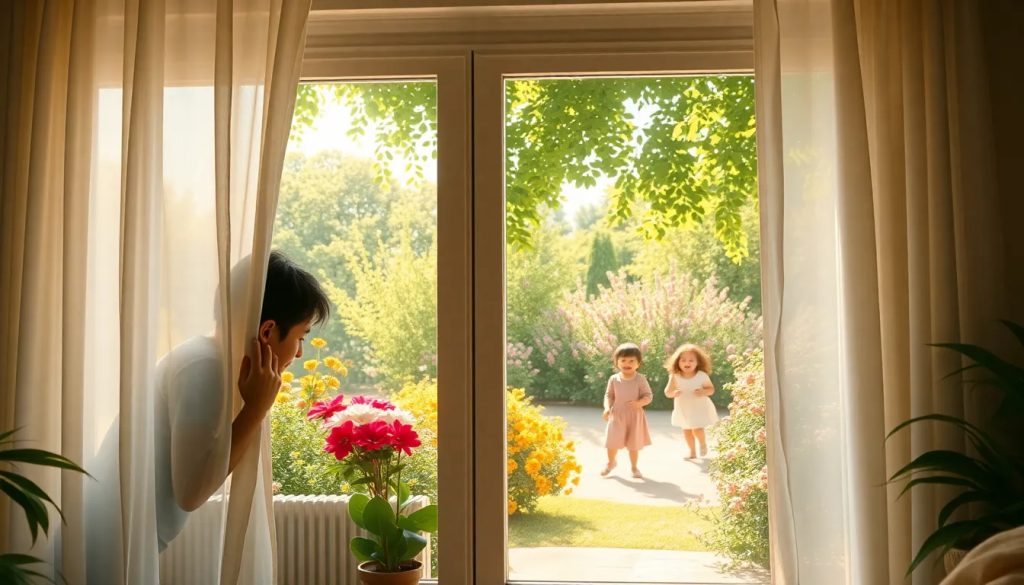
Voyeurism, a theme wrapped in the enigma of human psychology, invites a blend of intrigue, curiosity, and sometimes discomfort. Voyeur quotes encapsulate the depth of this phenomenon, touching on the complex dynamics of observation and privacy. People are drawn to these quotes because they reveal a candid exploration of human behavior, often kept hidden in the shadows of society's norms.
These quotations are more than mere words; they represent a mirror to the soul, reflecting our innate desire to watch and be watched. They question the boundaries of what is considered acceptable, teasing the fine line between innocent observation and invasive voyeurism. As such, the popularity of voyeur quotes continues to soar as they challenge our perceptions and invite us to ponder on the emotional, philosophical, and social implications of watching from a distance.
Why Do People Seek Out Voyeur Quotes?
The allure of voyeur quotes lies in their ability to provide us with emotional clarity and insight into a part of human nature that is typically left unspoken. They offer a sense of validation for those who have felt the guilt or thrill associated with voyeurism. Reflection upon these quotes can lead to a deeper understanding of our motivations and the societal norms that influence our actions.
Often, individuals turn to voyeur quotes to explore the psychological aspects of observation, seeking to understand the power dynamics in play. The quotes can serve as a form of inspiration, shedding light on the hidden desires that drive us to observe others.
Moreover, voyeur quotes resonate because they capture the essence of human curiosity. They speak to the part of us that is intrigued by the private moments of others, finding a connection in the shared experience of secret observation.
Key Themes in Famous Voyeur Poems
Voyeurism in literature often explores themes that transcend straightforward observation, delving into the realms of desire, power, and morality. Here are some common sub-themes:
- Privacy and secrecy: Many poems discuss the tension between the public and private spheres, questioning the ethics of breaching someone's private moments.
- Desire: The longing to connect or understand another person from afar is a recurring topic, highlighting the emotional depth behind voyeuristic actions.
- Morality: Voyeur poems frequently grapple with the moral implications of watching without consent, often leaving the reader to question their own beliefs.
- Power: The sense of control or dominance that comes from observing without being observed is another theme that poems frequently address.
- Loneliness: Voyeurism can stem from a sense of isolation or the desire to feel less alone by watching the lives of others.
- Artistic expression: The act of observation is sometimes likened to the artistic process, with the voyeur as a creator of internal narratives based on external realities.
Famous Quotes on the Intricacies of Voyeurism
In discussing famous voyeur quotes, we delve into the layers of meaning behind the act of observation. These quotes, drawn from a variety of sources, shed light on the multifaceted nature of voyeurism. Each quote offers a unique perspective on the desire to watch and the implications of doing so.
It is important to note that these quotes are not merely words; they are reflections of experiences, emotions, and cultural observations. They serve as a gateway to a deeper understanding of the human psyche and the reasons why voyeurism continues to captivate our interest.
As we consider the quotes provided below, we engage in a conversation with the authors and thinkers who have pondered the complexities of voyeurism. Through their words, we are invited to consider our own views and feelings about this controversial topic.
Interpreting Voyeurism and Intimacy
Voyeur quotes often reveal the intricate relationship between voyeurism and intimacy. While voyeurism implies a distance, a separation between observer and observed, it also conveys a longing for closeness, an unspoken connection that thrives in the silent moments of observation.
This duality becomes more pronounced when privacy is involved. Seeing someone in their most intimate moments, without their knowledge or consent, can elicit a range of emotions, from guilt to excitement.
The act of watching can also be seen as a form of understanding, a silent dialogue between the watcher and the watched. It is in this unvoiced conversation that true intimacy can be found, an intimacy that goes beyond the physical to touch the very core of our being.
How Societal Taboos Shape Our View of Voyeurism
Voyeurism sits at the intersection of societal norms and moral ambiguity. Society often labels voyeurism as taboo, aligning it with notions of deviance and moral transgression. Yet, this very taboo nature is what makes voyeurism so intriguing to many.
The forbidden allure of voyeuristic acts challenges our understanding of privacy, consent, and ethical behavior. As societal taboos evolve, so does the perception of voyeurism, reflecting changing attitudes towards sexuality, freedom, and personal boundaries.
By examining the taboos surrounding voyeurism, we gain insight into our collective psyche and the unspoken rules that govern our social interactions. This reflection can lead to a more nuanced view of voyeurism, one that recognizes its complex role in society.
The Male Gaze and Its Impact on Women
The concept of the male gaze has significantly influenced how women perceive themselves and how society dictates their behaviors. Female self-perception is often constructed through the lens of male desire, leading to a form of internalized voyeurism.
This internalization can impact a woman's sense of self-worth and autonomy, as she becomes both the observer and the observed within her own narrative. The male gaze not only affects personal identity but also reinforces societal expectations of femininity and beauty.
By recognizing the pervasive nature of the male gaze, we can begin to challenge and dismantle the voyeuristic frameworks that limit women's self-expression. Embracing an authentic sense of self, free from the constraints of voyeuristic scrutiny, is both an individual and collective journey towards empowerment.
The Emotional Complexities of Voyeurism
Voyeurism is not a one-dimensional concept; it is woven with a tapestry of emotional complexities. From the thrill of the forbidden to the guilt of crossing boundaries, voyeurism can elicit a spectrum of feelings that are as diverse as the individuals who experience them.
These emotions can range from a benign curiosity to darker urges, reflecting the internal conflicts and moral dilemmas that accompany the act of watching. Voyeurism can serve as a window into our deepest fears, desires, and vulnerabilities, revealing the often-turbulent waters of the human heart.
As we explore voyeur quotes and their accompanying emotions, we are offered a chance to confront our own shadows, to understand the allure of the unseen, and to question what drives our gaze towards the private worlds of others.
Related themes include: observation, intimacy, feminist theory, and the impact of societal norms on behavior. These quotes come from a diverse range of authors and traditions, each providing a unique lens through which to view the complex subject of voyeurism. Through this exploration, we can gain a broader perspective on the role of observation in human experience and the myriad ways it shapes our interactions and self-perceptions.
Recommended: