
William De Morgan
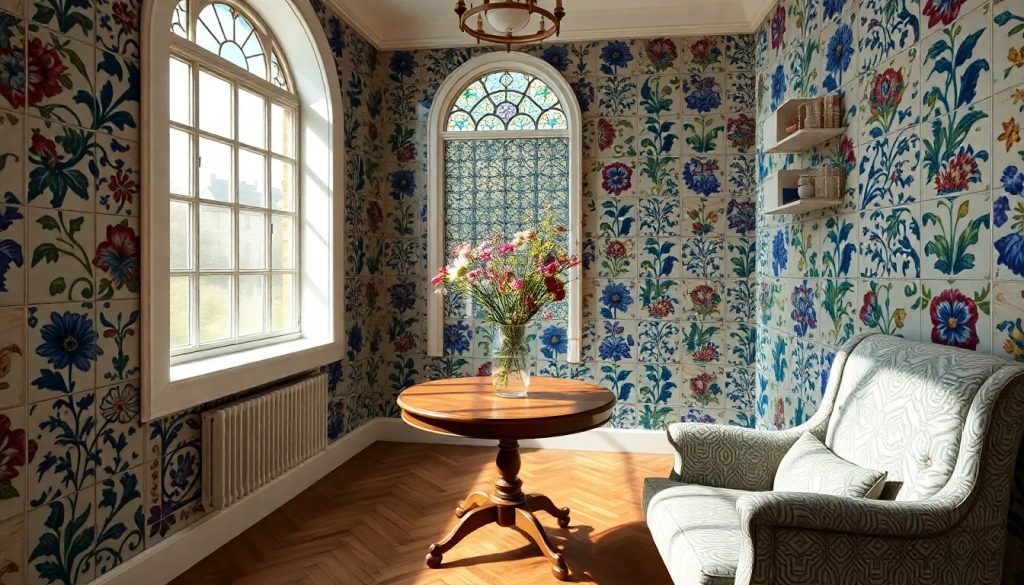
William De Morgan tiles, vases, and decorative plates remain celebrated for their distinctive lustre and intricate designs, speaking to both collectors and enthusiasts of the Arts and Crafts Movement. His legacy in pottery and the decorative arts is not just about his creations but also his innovative approach and the historic and artistic influences he channeled into his craft.
- William De Morgan: Who Was He?
- What Are the Influences Behind William De Morgan's Work?
- How Did William De Morgan Contribute to the Arts and Crafts Movement?
- What Are the Most Notable Features of William De Morgan's Ceramics?
- Where Can You Find William De Morgan Tiles for Sale?
- What Legacy Did William De Morgan Leave in Decorative Arts?
- Related Authors and Artists
William De Morgan: Who Was He?
William De Morgan (1839–1917) was a linchpin of the Arts and Crafts Movement, joining forces with visionaries like William Morris. His feats in ceramics and glassware were not mere artworks; they were embodiments of a philosophy that prized handcraftsmanship and artistic integrity over industrial mass production.
De Morgan's upbringing in an intellectually vibrant home and his education at the Royal Academy set the stage for a career that would intertwine art with an almost scientific fervor for experimentation. Notably, he was a friend and collaborator within the Pre-Raphaelite circle, which influenced the thematic content of his work.
What Are the Influences Behind William De Morgan's Work?
The historical eras of Middle Eastern art and the Italian Renaissance were profound influences on De Morgan’s designs. His tiles often featured motifs such as animals and flowers, reimagined through his unique lens.
His parents were forward-thinking individuals, and their progressive views undoubtedly shaped his outlook on life and art. Furthermore, De Morgan's close association with the Pre-Raphaelite artists brought a mythical and narrative quality to his creations, which often included fantastical creatures and ancient myths.
How Did William De Morgan Contribute to the Arts and Crafts Movement?
As a stalwart of the Arts and Crafts Movement, De Morgan championed the handmade over the machine-made. His work not only introduced a revival of interest in lustre glazes but also elevated the artistic merit of ceramics.
He was instrumental in blending artistry with the science of kiln-fired creations, resulting in ceramics with striking iridescence. His partnership with William Morris’s firm facilitated a synergy of ideas that propelled the Movement's philosophy into homes across Britain.
What Are the Most Notable Features of William De Morgan's Ceramics?
- The use of lustre glazes that created an iridescent effect reminiscent of bygone eras.
- Geometric precision paired with free-flowing natural themes, a combination that remains influential in ceramic design.
- Innovative use of color and patterns that reflect the inspiration from Middle Eastern art and Renaissance motifs.
Where Can You Find William De Morgan Tiles for Sale?
For enthusiasts seeking to own a piece of history, William De Morgan tiles are available through antique dealers and auctions. Many collectors appreciate their historical significance and consider them timeless additions to interior designs.
Additionally, reproductions made with a nod to De Morgan's style can be found, offering a more accessible option for those looking to infuse their homes with his distinctive aesthetic.
What Legacy Did William De Morgan Leave in Decorative Arts?
De Morgan's legacy in the realm of decorative arts is immense. His synergistic approach to art and technology, his contributions to the Arts and Crafts Movement, and his distinctive style have left an indelible mark on British ceramics.
His work continues to influence contemporary ceramic artists and designers, inspiring them to pursue craftsmanship and beauty. The timelessness of his designs also means that his work remains in vogue for home decor and as collector's items.
The legacy of William De Morgan endures not just in the physical pieces that grace museums and private collections, but in the enduring philosophy that art should be a marriage of function, form, and heartfelt craftsmanship.
William Morris, a close collaborator and friend, shared De Morgan's love for medieval themes and the handmade ethos. Other contemporaries, such as Dante Gabriel Rossetti of the Pre-Raphaelite Brotherhood, similarly valued rich symbolism and romanticism in art.
In a broader sense, artists like John Ruskin, who advocated for the values of the Arts and Crafts Movement, and Charles Voysey, known for his wallpaper and textile designs, also resonate with those who admire De Morgan’s work.
In exploring the life and work of William De Morgan, it becomes evident that his influence stretches far beyond the decorative arts into the very principles of artistic creation and appreciation. His visionary approach to ceramics, characterized by both tradition and experimentation, resonates with us today as a testament to the enduring power of thoughtful and passionate craftsmanship.