
William E. Gladstone
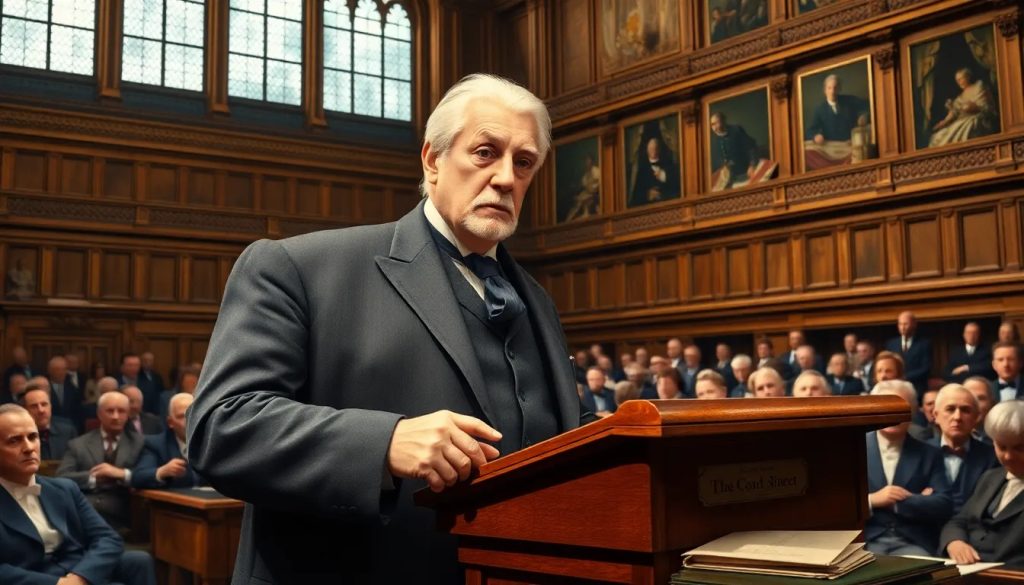
- William E. Gladstone: A Legacy of Reform and Leadership
- What Is William E. Gladstone Known For?
- Was William E. Gladstone a Christian?
- How Did William E. Gladstone Die?
- What Children Did William E. Gladstone Have?
- Where Did William E. Gladstone Live?
- What Previous Offices Did William E. Gladstone Hold?
- What Was William E. Gladstone's Net Worth?
- Who Are William E. Gladstone's Descendants?
- William E. Gladstone Quotes That Inspire Change
- Impact of William E. Gladstone on Modern Politics
- William E. Gladstone's Views on Social Justice
- William E. Gladstone's Liberal Reforms in Britain
- The Legacy of William E. Gladstone in History
- Practical Ways to Use William E. Gladstone's Quotes
- Authors Often Compared to William E. Gladstone
William E. Gladstone: A Legacy of Reform and Leadership
The name of William E. Gladstone rings through the annals of British history as a beacon of reform and progressive leadership. His enduring influence resonates in the realm of politics and beyond, where his sage words and actions continue to inspire change and foster a deeper understanding of social and political responsibility.
What Is William E. Gladstone Known For?
Often celebrated as the Grand Old Man of British politics, Gladstone's tenure as Prime Minister is marked by significant strides toward political reform and social justice. He was a tireless advocate for Irish home rule, embodying a spirit of inclusivity and empathy in governance.
His contribution to the Liberal Party and the broader political landscape includes championing the Representation of the People Act, which expanded suffrage and paved the way for modern democracy in Britain.
Gladstone's commitment to the welfare state is evident in his push for national education reforms and the modernization of the civil service, ensuring a more equitable society.
Was William E. Gladstone a Christian?
Yes, Christianity played a pivotal role in shaping Gladstone's worldview. His faith informed his approach to politics, advocating for policies aligned with Christian morality, emphasizing the importance of compassion, integrity, and the common good.
How Did William E. Gladstone Die?
Gladstone passed away in 1898, leaving behind a legacy characterized by his commitment to improving lives through thoughtful leadership and reform. His death marked the end of an era, but his ideals live on.
What Children Did William E. Gladstone Have?
Gladstone was a family man, fathering eight children with his wife, Catherine. His offspring continued his legacy, contributing to public service and the arts, reflecting the diverse interests and passions of their father.
Where Did William E. Gladstone Live?
Gladstone's residence varied throughout his life, from his birthplace in Liverpool to his family estate, Hawarden Castle in Wales, which became a symbol of his status and influence.
What Previous Offices Did William E. Gladstone Hold?
Before becoming Prime Minister, Gladstone held several key positions, including Chancellor of the Exchequer and Leader of the House of Commons, where he honed his vision for Britain's future.
What Was William E. Gladstone's Net Worth?
While exact figures are unclear, Gladstone's wealth was considerable, stemming from his family's merchant business. However, his true value lay in his intellectual and moral contributions to society.
Who Are William E. Gladstone's Descendants?
Gladstone's descendants have carried on his name, contributing to the fabric of British society through various roles in public service, academia, and beyond, ensuring the Gladstone legacy remains vibrant.
William E. Gladstone Quotes That Inspire Change
"We look forward to the time when the power to love will replace the love of power. Then will our world know the blessings of peace." This quote encapsulates Gladstone's vision for a society where compassion trumps ambition.
Impact of William E. Gladstone on Modern Politics
Gladstone's impact on modern politics is profound. His policies and reforms have laid the foundation for the welfare state and have continued to influence political thought and action.
Gladstone's commitment to social justice is evident in his efforts to address income inequality, improve working conditions, and expand educational opportunities, revealing his belief in the potential of every individual.
William E. Gladstone's Liberal Reforms in Britain
- The Education Act of 1870 laid the groundwork for universal education, reflecting Gladstone's belief in the transformative power of knowledge.
- His support for the Secret Ballot Act of 1872 ensured the integrity of the voting process, a cornerstone of democratic society.
- Gladstone's push for the Disestablishment of the Irish Church in 1869 demonstrated his commitment to religious and civil liberty.
The Legacy of William E. Gladstone in History
The legacy of William E. Gladstone is imprinted on the tapestry of British history, not only through his tangible reforms but also through his enduring vision of a society driven by justice and humanity.
Practical Ways to Use William E. Gladstone's Quotes
- Reflection: Ponder on the depth of Gladstone's words to gain insights into personal and societal values.
- Journaling: Use his quotes as prompts to explore complex ideas and personal beliefs.
- Leadership: Gladstone's quotes can serve as guidance for those aspiring to lead with integrity and purpose.
- Creativity: His visionary outlook can inspire innovative thinking and new perspectives.
- Resilience: Gladstone's tenacity in the face of challenges offers a model for enduring and overcoming obstacles.
- Personal Growth: His insights on self-improvement and moral development can guide one's journey towards self-betterment.
John Stuart Mill, another champion of social reform, shares Gladstone's passion for civil liberties and political progress, while Benjamin Disraeli, his political rival, also contributed significantly to the tapestry of Victorian politics.
In conclusion, the words and deeds of William E. Gladstone continue to echo through time, shaping thoughts, policies, and actions. His vision for a fair and just society remains as relevant today as it was during his lifetime, inspiring generations to strive for a better world.