
William F. Buckley, Jr.
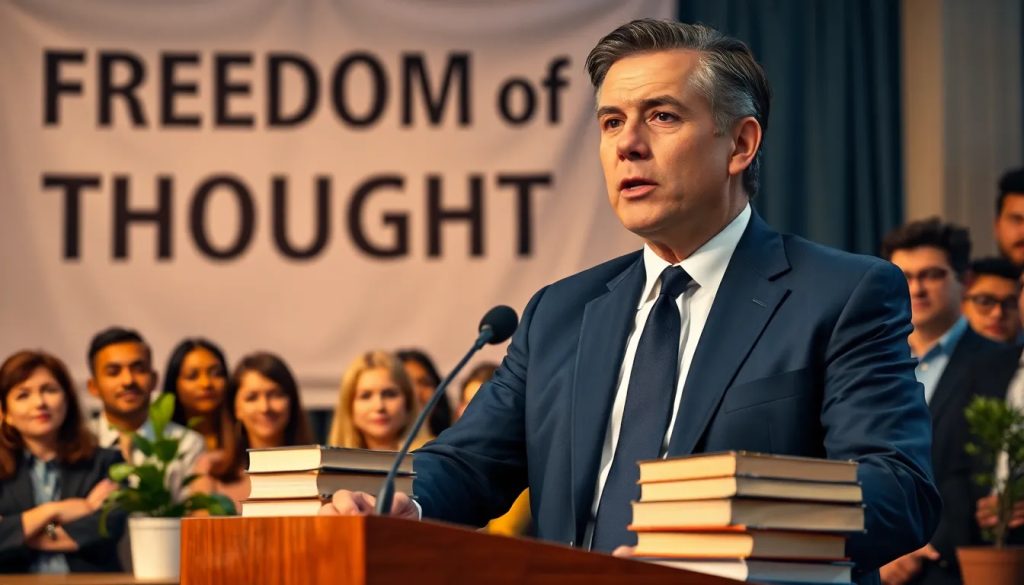
William F. Buckley, Jr. remains a pivotal figure in American history, not only for his eloquent oratory skills but also for his ability to distill complex ideas into memorable quotations. His words continue to resonate because they reflect a profound understanding of political philosophy and a dedication to articulate conservative thought.
His indelible impact on American conservatism and his intellectual prowess make the study of his quotations not just a look into the man's mind, but into the era of conservatism he helped shape. His quotations are as relevant today as they were when he first voiced them, demonstrating his timeless influence on political discourse.
At a glance
- Historical period: Mid-20th Century to Early 21st Century
- Field: Political commentary and journalism
- Main themes: Conservatism, freedom, individual responsibility, anti-Communism
- Resonance: Articulate defense of conservative values at a time of societal change
Core Ideas in Buckley's Quotations
The quotes by William F. Buckley, Jr. are a mosaic of conservatism's core principles. They reflect a vision of ordered liberty, a critique of progressivism, and a defense of traditional values.
Among his recurring themes are the virtues of a free-market economy, the evils of totalitarianism, especially Communism, and the importance of personal freedom. Buckley's stance on religious faith stands as a pillar in his intellectual framework, often citing its role in a moral society.
His advocacy for active intellectual debate is evident in his call for conservatives to stand against the prevailing liberal thought of his time. Buckley's emphasis on ideological consistency and his skepticism of government intervention are further hallmarks of his philosophy.
William F. Buckley, Jr.'s Legacy in Quotes
William F. Buckley, Jr.'s best-known quotes reveal his wit, his intellectual depth, and his unwavering commitment to conservative principles. The quotes below, while not exhaustive, capture the essence of his thought and the breadth of his contribution to public discourse.
One cannot discuss Buckley's influence without noting his seminal work in founding the National Review, which provided a platform for conservative voices and ideas. His quotes from the publication and his television program "Firing Line" exemplify his ability to engage with and challenge his contemporaries.
The context of these quotes often lies in his fervent opposition to the rise of socialism and his support for individual liberties. When discussing Buckley's quotations, it's essential to recognize the historical backdrop of the Cold War era that shaped much of his perspective.
Engaging with Buckley's Quotations
- Reflection: Contemplate the enduring relevance of his views on freedom and responsibility.
- Journaling: Use his quotes to inspire personal growth and intellectual exploration.
- Leadership: Draw from his insights on governance for modern leadership challenges.
- Creativity: Let his linguistic prowess spark your own creative communication.
- Resilience: Find strength in his steadfast defense of his beliefs amid opposition.
Exploring the works of contemporaries who share Buckley's conservative ideals can provide a deeper understanding of the movement's foundations:
- Russell Kirk: Shared Buckley's commitment to traditionalism and moral order.
- Barry Goldwater: His advocacy for limited government aligns with Buckley's principles.
- Milton Friedman: A fellow proponent of free-market economics and individual liberty.
- Thomas Sowell: Continues the discussion on economics and culture from a conservative viewpoint.
William F. Buckley, Jr.'s influence on conservatism and his role as a public intellectual are undeniably central to the conservative movement. His words not only reflect his beliefs but also encapsulate the zeitgeist of American conservatism during a pivotal era. His legacy, evident in the bedrock principles he helped cement within the conservative philosophy, continues to be a touchstone for political thought and discourse.
From his role as the founder of the National Review to his dynamic presence on "Firing Line," Buckley's life was a testament to the power of ideas and the importance of articulating them effectively. His books and writings, filled with his piercing insights and candid observations, remain a valuable resource for anyone interested in the evolution of modern conservative thought.
As we delve into Buckley's life—from his contributions to public discourse and his political activism to his personal journey and education—it's clear that his impact on figures like Reagan and other contemporary conservatives is profound and lasting. Buckley's voice continues to echo in the halls of political thought, challenging, inspiring, and guiding those who seek to understand the foundations of American conservatism.