
William Gibson
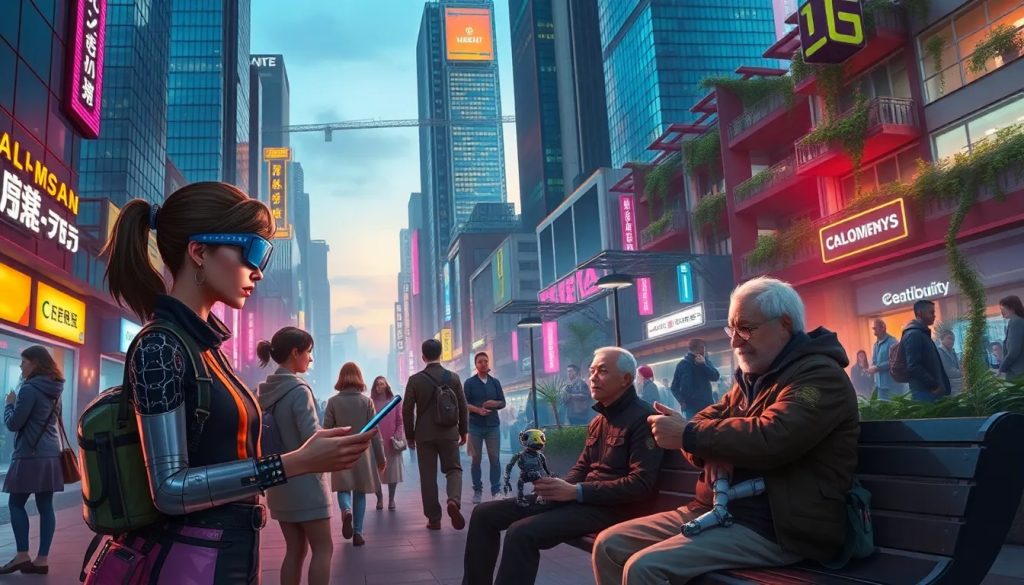
Renowned for his intricate depictions of a technologically advanced future, William Gibson remains a significant figure whose quotes encapsulate the essence of the cyberpunk genre. His visions of a world interwoven with cyberspace continue to resonate, inviting reflection on our current trajectory towards an increasingly digital existence.
- At a Glance
- What Is Neuromancer About?
- Who Is William Gibson?
- What Are the Main Themes In William Gibson's Works?
- What Other Books Did William Gibson Write?
- What Is the Significance Of Neuromancer In Sci-Fi Literature?
- How Has William Gibson Influenced Modern Science Fiction?
- What Is The Peripheral By William Gibson About?
- Understanding William Gibson's Literary Style
- William Gibson's Influence on Cyberpunk Literature
- Books by William Gibson in Chronological Order
- Themes and Context in Gibson's Quotes
- Practical Applications of Gibson's Insights
- Authors Resonating with Gibson's Themes
At a Glance
- Historical period: Late 20th century to present
- Field: Science Fiction Writing
- Main themes: Technology, Cybernetics, Human Experience
- Resonance: Offers a profound commentary on societal evolution towards a digital future
What Is Neuromancer About?
Neuromancer, the iconic novel by William Gibson, introduces readers to a cyber world where human consciousness and digital realities blur. Through its protagonist, Case, the story delves into themes of artificial intelligence, corporate dominance, and the human quest for purpose amidst technology.
Who Is William Gibson?
As a writer, Gibson's foresight into the digital age has earned him a reputation as a pioneer. His works have not just entertained but have also offered profound insights into the nature of our relationship with technology.
What Are the Main Themes In William Gibson's Works?
In William Gibson's novels that changed sci-fi, recurring themes include the intricate dance between humanity and technology, the ethereal nature of cybernetic culture, and a dystopian vision of what could be our future.
What Other Books Did William Gibson Write?
His oeuvre extends beyond Neuromancer, with works like "Count Zero," "Mona Lisa Overdrive," and "The Peripheral," each contributing to the canon of cyberpunk literature.
What Is the Significance Of Neuromancer In Sci-Fi Literature?
Neuromancer's groundbreaking narrative set the standard for speculative fiction, envisioning a future where the digital and physical realms are indistinguishable.
How Has William Gibson Influenced Modern Science Fiction?
Through his literary style, Gibson has not only influenced peers but also defined the cyberpunk subgenre, impacting how society views the convergence of technology and humanity.
What Is The Peripheral By William Gibson About?
"The Peripheral" is Gibson's foray into time travel and alternate realities, illustrating his ability to continually push the boundaries of digital futurism.
Understanding William Gibson's Literary Style
Gibson's style is distinguished by its layered complexity and prescient insights, which have garnered him major awards and achievements.
William Gibson's Influence on Cyberpunk Literature
His contributions to the genre have been profound, establishing tropes and themes within cyberpunk literature that persist in contemporary works.
Books by William Gibson in Chronological Order
- Neuromancer (1984)
- Count Zero (1986)
- Mona Lisa Overdrive (1988)
- Virtual Light (1993)
- Idoru (1996)
- All Tomorrow's Parties (1999)
- Pattern Recognition (2003)
- Spook Country (2007)
- Zero History (2010)
- The Peripheral (2014)
- Agency (2020)
Themes and Context in Gibson's Quotes
"The future is already here — it's just not evenly distributed." This encapsulation of technological disparity reflects a core theme in Gibson's work: the uneven impact of advancements on society.
Practical Applications of Gibson's Insights
- Reflection on the societal implications of emerging technologies
- Journaling as a means to explore and understand our evolving digital landscape
- Leadership discussions centered on navigating a future shaped by innovation
- Creative inspiration drawn from Gibson's vivid portrayals of the future
- Resilience in adapting to the rapid changes heralded by technological progress
- Personal growth through contemplation of human identity in a digital age
Neal Stephenson's works often align with Gibson's, exploring similar themes of technology's role in shaping society. Similarly, Philip K. Dick's narratives delve into the nature of reality, a concept Gibson frequently toys with.
William Gibson's visionary narratives and poignant quotations continue to influence and inspire, proving the enduring power of speculative fiction to shape not only literature but our very understanding of the world.