
William Henry Ashley
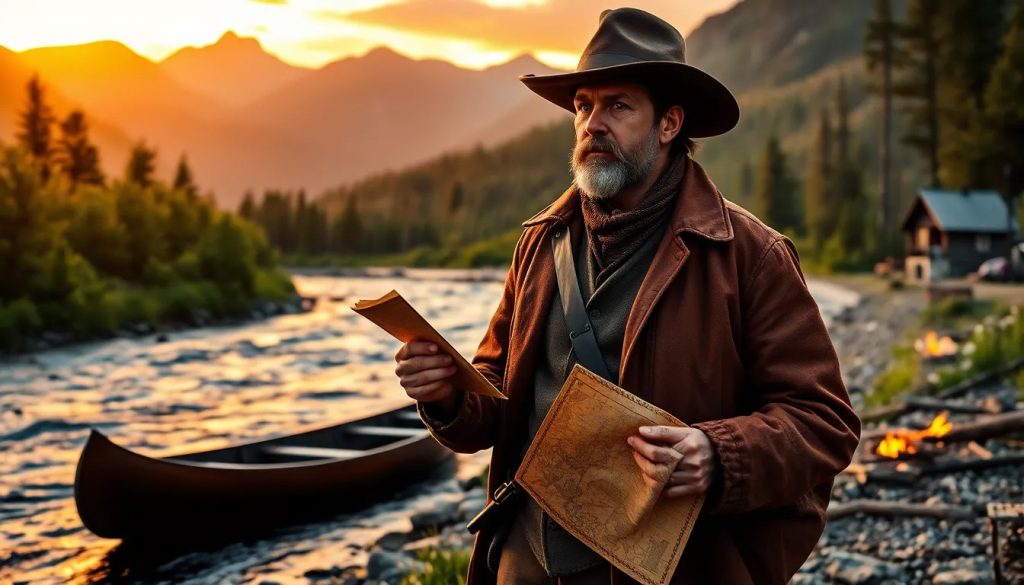
The name William Henry Ashley resonates through the annals of American history as a symbol of adventure, commerce, and the pioneering spirit. His contributions to the fur trade and westward expansion continue to be celebrated for their pivotal role in shaping the early United States. But beyond the fur trade and territorial conquests, it's Ashley's innovative mindset and leadership that keep his legacy alive in discussions and historical analyses today.
- What was the early life of William Henry Ashley?
- How did William Henry Ashley contribute to the fur trade?
- What were the major operations of the Rocky Mountain Fur Company?
- What role did William Henry Ashley play in the Arikara War?
- What were the important aspects of Ashley's post-fur trade career?
- How did William Henry Ashley influence westward expansion?
- What is the legacy of William Henry Ashley in American history?
What was the early life of William Henry Ashley?
William Henry Ashley's early years laid the foundation for his later achievements. Born around 1778 in Virginia, Ashley moved to the Louisiana Territory, positioning himself in the heart of America's westward movement. His initial ventures in saltpeter mining for gunpowder manufacturing showcased his entrepreneurial spirit, while his entry into politics emphasized his leadership qualities.
As a figure emerging from the vibrant and transformative early 19th century, his life reflects the restless energy of a young nation expanding its borders. Ashley's involvement in regional politics as Missouri's first Lieutenant Governor further underscores his commitment to public service and governance.
His early life, although not as extensively documented as his later years, provides a glimpse into the formative experiences that would later influence his significant contributions to the fur trade and the American frontier.
How did William Henry Ashley contribute to the fur trade?
William Henry Ashley's contributions to the fur trade mark him as a key figure in the industry's evolution. In 1822, he co-founded the Rocky Mountain Fur Company, introducing a new business model that revolutionized fur trapping expeditions. Ashley's organizational prowess and strategic planning paved the way for a new era of trade and exploration.
His innovative approach included the rendezvous system, which brought trappers and traders together in a predetermined location to exchange furs and supplies. This eliminated the need for trappers to travel to St. Louis, greatly enhancing efficiency and expanding the scope of fur trading operations.
Ashley's ingenuity directly impacted the prosperity of the fur trade and the economic development of the American West. His vision and determination not only influenced the trade itself but also the lives of those who ventured into the uncharted territories of the vast American frontier.
What were the major operations of the Rocky Mountain Fur Company?
- The Rocky Mountain Fur Company, under Ashley's guidance, conducted extensive fur trapping operations across the Western United States.
- The company's use of the rendezvous system, as previously mentioned, was a game-changer for the industry.
- Operations involved organizing groups of trappers, known as "Ashley's Hundred," to cover vast territories from the Great Salt Lake to the Missouri River.
- The company's activities played a significant role in mapping the West and identifying key routes for future settlers.
The efforts of the Rocky Mountain Fur Company not only generated significant profits but also laid the groundwork for subsequent westward expansion, helping to fulfill America's manifest destiny.
What role did William Henry Ashley play in the Arikara War?
The Arikara War, a significant but often overlooked conflict, was another arena where William Henry Ashley demonstrated his leadership. In 1823, Ashley and his fur brigade were attacked by Arikara (Ree) Indians, leading to a call for military intervention. Ashley's role as a Brigadier General in the Missouri militia became prominent as he helped coordinate a response to the attack.
His involvement in the Arikara War is a testament to his multifaceted persona – part businessman, part politician, and part military leader. It also highlights the complex relationships between American traders and Native American tribes during this era of westward expansion.
Although the war itself was brief, its implications for trade and interactions with Native Americans were long-lasting, with Ashley at the epicenter of these pivotal moments in American frontier history.
What were the important aspects of Ashley's post-fur trade career?
After his time in the fur trade, Ashley continued to influence public affairs. His career in politics saw him serving as a representative in the Missouri General Assembly, where he focused on matters of state development and governance.
William Henry Ashley's post-fur trade career also included ventures into land development and continued his involvement in Indian trade. His enduring interest in the West manifested in various investments and advocacy for policies that would further open the western territories for settlement and commerce.
His contributions during this period further solidified his status as a key player in the broader narrative of America's westward growth and development.
How did William Henry Ashley influence westward expansion?
William Henry Ashley's influence on westward expansion is inextricably linked to his pioneering activities in the fur trade. By opening new trade routes and fostering a deeper understanding of the Western territories, Ashley's ventures essentially beckoned settlers to follow in the footsteps of trappers and traders.
His legacy is also characterized by his ability to perceive the untapped potential of the Western lands. By advocating for policies that encouraged settlement and development, Ashley directly impacted the demographic and economic expansion of the American frontier.
The spirit of exploration and entrepreneurship that Ashley embodied continues to be celebrated as a driving force behind the nation's westward growth.
What is the legacy of William Henry Ashley in American history?
The legacy of William Henry Ashley in American history is multifaceted. His life's work as a fur trader, explorer, entrepreneur, and politician encapsulates the essential qualities of the American frontiersman.
- Ashley's influence on the fur trade established him as an economic innovator and industry leader.
- His contributions to mapping the West and fostering relationships with Native American tribes are integral parts of his historical footprint.
- His military and civic roles underscored a commitment to national service and expansion.
In the tapestry of American history, Ashley stands out as a figure who not only witnessed but actively shaped the transformation of the nation during its formative years.
Reflecting on the impact of William Henry Ashley, it becomes clear that his foresight and endeavors were not just products of their time but were the harbingers of the dynamic and expansive America that would emerge in the centuries to follow. His story is a testament to the enduring spirit of innovation and exploration that defines the American ethos.