
William Henry Harrison
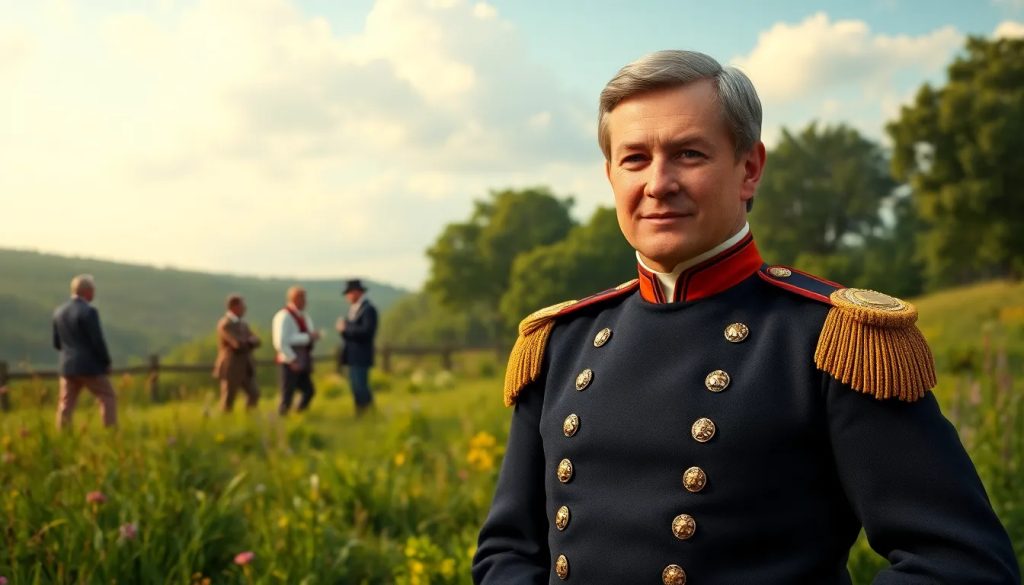
The legacy of William Henry Harrison is often overshadowed by the brevity of his presidency, but his contributions to American history extend far beyond his short-lived term in office. His words and actions offer a window into a crucial period of US history, reflecting the complex dynamics of a young nation grappling with expansion and identity.
- Who Was William Henry Harrison?
- William Henry Harrison's Military Career
- William Henry Harrison Presidential Term
- What Was William Henry Harrison's Political Party?
- What Caused the Death of William Henry Harrison?
- What Are the Key Events in William Henry Harrison's Biography?
- Who Served as Vice President Under William Henry Harrison?
- What Was William Henry Harrison's Nickname?
Who Was William Henry Harrison?
Born into a prominent family with deep roots in the American Revolution, Harrison's upbringing and education at Hampden-Sidney College prepared him for a life of public service. His military and political careers were intertwined, with each role reinforcing his image as a leader of the American frontier. A key figure in the Northwest Indian War, he is remembered for his engagement in pivotal battles and his role in shaping US-Indigenous relations.
William Henry Harrison's Military Career
Harrison's military exploits, particularly during the Battle of Tippecanoe and the Battle of the Thames, marked him as a national hero. His leadership in these conflicts and negotiations, like the Treaty of Greenville, was crucial in the expansion of US territory and set the stage for his eventual rise to the presidency.
- Participation in major battles
- Negotiations with Native American tribes
- Impact on US territorial expansion
William Henry Harrison Presidential Term
Though his time in office was tragically cut short, Harrison's presidency is a reminder of the era's political tensions and the high stakes of national leadership. His election in 1840 was a significant victory for the Whig Party, signaling a shift in the political landscape and illustrating the potency of campaign imagery and rhetoric.
What Was William Henry Harrison's Political Party?
Harrison was a member of the Whig Party, which championed economic development and federal power over states' rights. The Whigs' opposition to Andrew Jackson's policies rallied support for Harrison, who was seen as a stabilizing figure capable of uniting diverse factions within the party.
What Caused the Death of William Henry Harrison?
Harrison's death just a month after his inauguration sent shockwaves through the nation. It was a stark reminder of the vulnerabilities faced by leaders and set a historical precedent with the first presidential succession due to death in office. Pneumonia, contracted shortly after his lengthy inaugural address, was the cause of his demise.
What Are the Key Events in William Henry Harrison's Biography?
Harrison's life was marked by significant events that shaped his legacy. From his early military service to his governorship of the Indiana Territory and his brief presidency, Harrison's career was a microcosm of the growing pains of a young republic. Key events include his military victories, political appointments, and his electoral triumph in 1840.
Who Served as Vice President Under William Henry Harrison?
John Tyler was the vice president under Harrison, ascending to the presidency upon Harrison's untimely death. Tyler's succession was a constitutionally ambiguous moment that clarified the process for filling a presidential vacancy, creating the precedent for the "Tyler Precedent."
What Was William Henry Harrison's Nickname?
Harrison was widely known by the moniker "Old Tippecanoe," a nickname derived from his leadership at the Battle of Tippecanoe. This nickname became a rallying cry during his presidential campaign, encapsulating his military valor and frontier reputation.
In exploring the life and times of William Henry Harrison, one gains a greater appreciation for the complexities of early American leadership and the historical contexts that gave rise to his enduring quotes and actions. His brief presidency and long-standing military career offer a unique perspective on the formative years of the United States.