
William Makepeace Thackeray
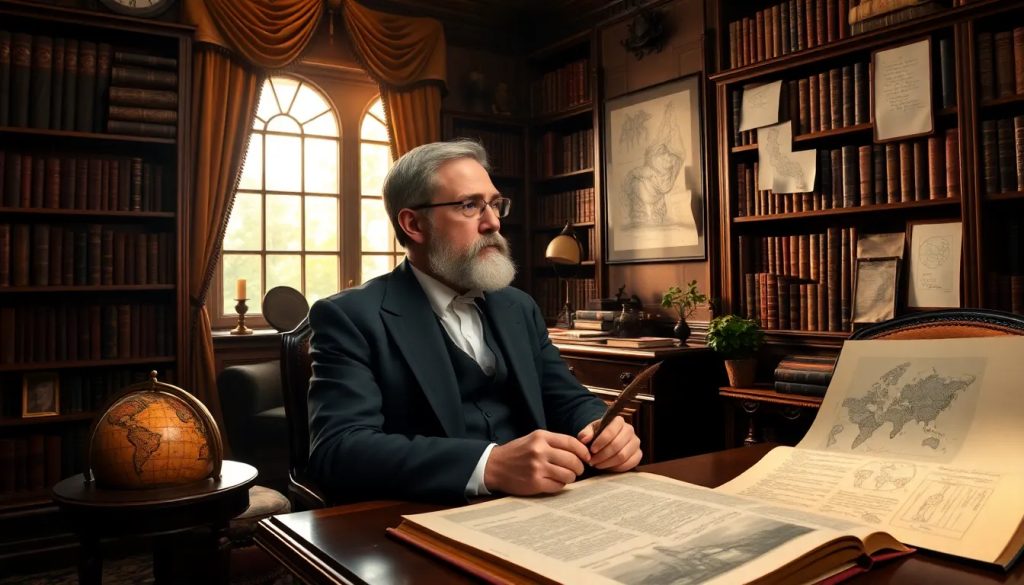
The enduring relevance of William Makepeace Thackeray's quotations cannot be overstated. Beyond his acclaimed novels, his pithy words continue to captivate readers with their timeless observation and biting social commentary. Thackeray's quotes, much like his literature, offer a window into the intricacies of human nature and the societal norms of the Victorian era.
Why do his words resonate today? Perhaps it is the universal truths within his satirical prose that transcend time, or maybe it is the sheer wit that accompanies his observations of the world. Regardless, to explore his quotations is to engage with a mind keenly aware of its surroundings, providing reflections that remain pertinent to this day.
At a glance
- Historical period: Victorian era
- Field/Role: Novelist and satirist
- Main themes: Social hierarchy, morality, vanity, and hypocrisy
- Resonance: Thackeray's words cut through the facade of societal norms to reveal universal human truths.
Core ideas in Thackeray's quotes
Delving into the core ideas of Thackeray’s quotations, one cannot help but notice several recurring themes that define his worldview. His sharp satirical lens often targets the pretensions and follies of society, particularly the upper classes.
Hypocrisy and morality are frequently juxtaposed in his quotes, providing a critique of the era's standards of virtue and vice. He also touches upon the futility of vanity and the relentless pursuit of social standing.
Another theme that emerges is the idea of ambition, both its driving force and its potential to lead individuals astray. Thackeray's words often reflect the perils of unchecked ambition and the importance of genuine human connection over societal achievements.
Thackeray's most representative quotes
Within the expanse of Thackeray's work, several quotations stand out for their incisive portrayal of human character and social dynamics. While the quotes below will illustrate his mastery of language, it is the themes they encapsulate that lend them enduring power.
For instance, Thackeray's views on the frivolity of high society are best captured in his commentary on vanity and pretense. Each quote serves as a cogent reminder that beneath the layers of social standing and affectation, the core of human experience remains constant.
His reflections on ambition and success reveal the double-edged sword of striving and the often hollow victory of attaining wealth or status at the expense of integrity and personal happiness.
Practical applications of Thackeray's quotes
- Reflection: Use the quotes as a mirror to one's own life, identifying areas for self-improvement and understanding.
- Journaling: Incorporate quotations into daily or weekly journal entries as prompts for deeper exploration of personal values and goals.
- Leadership: Employ Thackeray's insights on human nature and morality to guide ethical decision-making and organizational culture.
- Creativity: Draw inspiration from Thackeray's satirical style to craft stories or characters that reflect societal observations.
- Resilience and Personal Growth: Allow Thackeray's experiences of overcoming adversity to motivate perseverance through challenges.
Exploring writers akin to Thackeray allows readers to expand their understanding of the literary themes he grappled with. Charles Dickens, for instance, shares Thackeray's penchant for social criticism, though with a more empathetic lens on the plight of the lower classes.
Jane Austen's keen observations of the intricacies of English social life echo Thackeray’s, albeit with a more subdued satirical touch.
For those fascinated by the complexity of human psychology interwoven with societal norms, George Eliot's works provide a complementary depth and moral introspection.
Explore more on related themes: Victorian literature, satire, social critique.
William Makepeace Thackeray's early life
Born into the backdrop of colonial India in 1811, Thackeray's childhood was steeped in the contrasts between Eastern and Western cultures. The early loss of his father and subsequent move to England would come to influence his later writings, instilling in him a sense of displacement and a keen eye for societal disparities.
His schooling, first at Charterhouse and then at Cambridge, provided an education that was rigorous though incomplete, as Thackeray left university without a degree. This decision marked the beginning of a life less ordinary, characterized by European travels and a quest for artistic and literary expression.
Thackeray's literary influence and legacy
Thackeray's impact on literature is palpable, with works such as Vanity Fair and The Newcomes offering a window into the mores of the Victorian era. His satirical eye did not spare even the reader, challenging audiences to reflect on their own place within the social structure he so deftly critiqued.
His legacy, therefore, is not just in the content of his writings but in the method of delivery—inviting reflection, challenging norms, and providing an almost voyeuristic insight into the lives of his characters, who so vividly reflect the human condition.
Through a life beset with personal tragedies, including the mental illness of his wife, Isabella Shawe, and his own health issues, Thackeray’s resolve to document the human experience remained unshaken. His personal narrative is deeply interwoven with the characters he created, making his literature a poignant exploration of both the author and his era.
Conclusion
In examining the life and works of William Makepeace Thackeray, one finds a tapestry of themes as relevant today as they were in the Victorian era. His words serve as both a reflection and a critique of the society he inhabited, and they continue to resonate due to their universal applicability and timeless wit. Thackeray's legacy endures not only in the literary canon but in the enduring power of his words to provoke thought, inspire change, and offer solace in their truths.