
William Merritt Chase
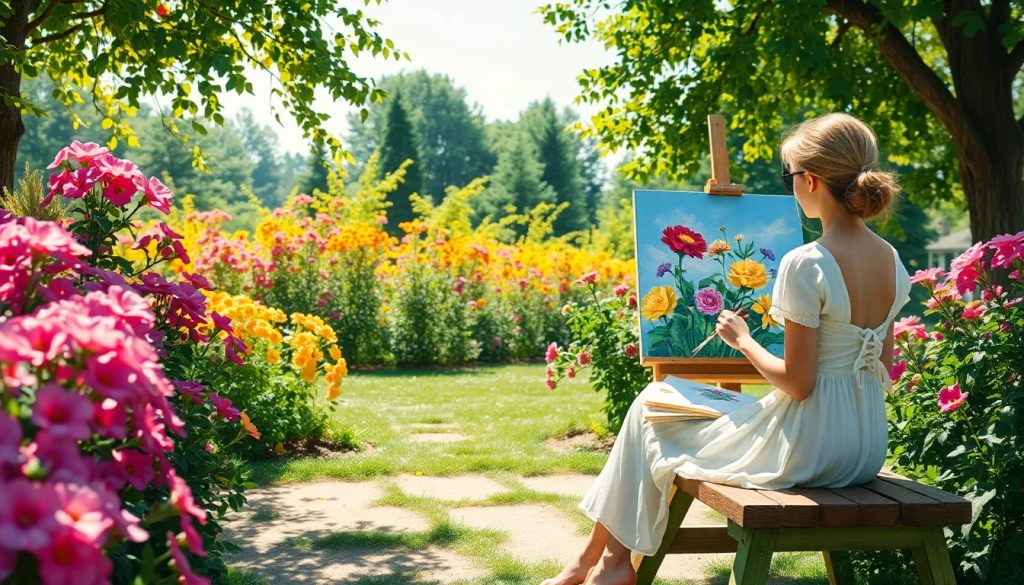
The legacy of William Merritt Chase resonates through the corridors of American art history, not just for his contributions to American Impressionism, but for his profound impact as an educator and mentor to a subsequent generation of artists. His works, which dynamically captured the essence of light and color, continue to be celebrated and studied for their innovative techniques and unique aesthetic.
- What was William Merritt Chase known for?
- How did William Merritt Chase influence American art?
- What techniques did William Merritt Chase use in his paintings?
- Where can you find William Merritt Chase paintings for sale?
- What is the significance of William Merritt Chase's signature?
- Did William Merritt Chase have any notable students?
- What is the connection between William Merritt Chase and Shinnecock Hills?
What was William Merritt Chase known for?
A leader in American Impressionism, William Merritt Chase was renowned for his versatile painting style and his adept use of oils and pastels. His artwork exhibited a fluency in capturing the transient effects of light and atmosphere, making him a celebrated figure in 19th-century art. His fish paintings, in particular, demonstrate a remarkable blend of realism and impressionistic sensitivity.
Chase's role as an educator at the Art Students League in New York City further amplified his influence on American art. He not only left behind an extensive portfolio of artworks but also a lasting pedagogical legacy, having trained notable students like Edward Hopper and Georgia O'Keeffe.
The signature style of Chase often integrated the European aesthetic, reflecting his studies in Munich, with the distinct vibrancy of the American spirit. This cross-continental blend of artistic lexicon positioned him as a crucial bridge between traditional European techniques and modern American expressions.
How did William Merritt Chase influence American art?
By blurring the lines between European influence and American themes, Chase was instrumental in shaping the direction of early American Impressionism. His innovative approach to urban landscape paintings and still lifes was a beacon of inspiration for many contemporary American artists. Through his impressionist style, he captured the burgeoning spirit of America—a narrative of progress and modernity.
His influence extended beyond his canvases. As a teacher, Chase imparted the importance of capturing the immediate impression of a subject, encouraging his students to explore and expand the boundaries of traditional art forms. This guidance underpinned the development of new artistic movements and ushered in a new age of American art.
Chase's commitment to art education and his role in the Art Students League underscored his belief in nurturing talent and fostering innovation. His teachings and philosophies perpetuated the evolution of American art long after his own brush had stilled.
What techniques did William Merritt Chase use in his paintings?
Chase was a master of technique, deftly employing oil painting techniques along with watercolor and pastel to create textured, luminous works. His use of chiaroscuro was particularly striking, creating a dramatic interplay between light and shadow that brought a three-dimensional quality to his subjects.
He was equally adept at the impressionist style, using loose and expressive brushstrokes to convey movement and atmosphere. His outdoor scenes, especially those around Shinnecock Hills, display an exquisite sense of natural light and subtle color variations—a hallmark of his impressionist leanings.
Furthermore, Chase was known to experiment with different surfaces, including canvas, velvet, and even unconventional materials like tin, showcasing his willingness to push artistic boundaries and explore new textures in his work.
Where can you find William Merritt Chase paintings for sale?
- Art galleries specializing in American artists and historic artworks.
- Auctions, both online and traditional, where artworks for sale are often up for bidding.
- Private collectors who occasionally release Chase's works to the public market.
- Art fairs and exhibitions, which sometimes offer the opportunity to purchase originals or prints.
What is the significance of William Merritt Chase's signature?
Chase's signature on his artwork is more than just a mark of authenticity; it represents his confidence and pride in his work. The distinct signature, often found in the lower corner of his pieces, is a symbol of his mastery and commitment to the arts. Collectors and enthusiasts often seek out his signature as a testament to the enduring value of his works.
Did William Merritt Chase have any notable students?
Indeed, Chase's impact as an educator is as significant as his artistic contributions. He mentored a roster of students who would go on to reshape the American art landscape. Among them were Edward Hopper, known for his depictions of American life, and Georgia O'Keeffe, whose innovative approach to modernism and abstraction earned her critical acclaim.
What is the connection between William Merritt Chase and Shinnecock Hills?
The Shinnecock Hills on Long Island provided a picturesque setting that deeply inspired Chase. There, he founded the Shinnecock Summer School of Art, which became a pivotal site for the development of American Impressionism. The natural beauty of the area is vividly captured in many of his landscape paintings, showcasing his affinity for the outdoors and his skill in portraying the unique qualities of natural light.
While no new content is available from the video carousel, the works and influence of William Merritt Chase continue to inspire and educate. His techniques, teachings, and artistic vision remain integral to understanding and appreciating the landscape of American art.