
William Morris
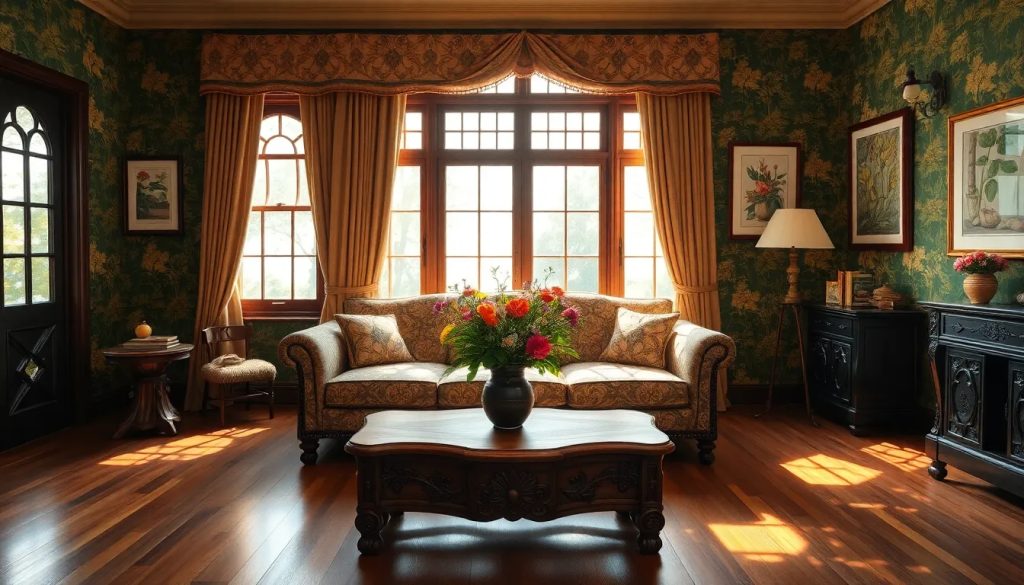
The enduring appeal of William Morris's quotes lies not merely in their poetic eloquence but in their profound relevance to contemporary themes of social justice, craftsmanship, and beauty. Over a century later, his words continue to inspire and provoke thought in a world grappling with many of the same issues Morris addressed in his lifetime.
- At a glance
- Core ideas in William Morris’s quotes
- William Morris’s most representative quotes
- Practical ways to use these quotes
- Authors with a kindred spirit
- What are the key contributions of William Morris?
- How did William Morris influence art and design?
- What types of William Morris products are available?
- Where can you find William Morris art and designs?
- What is the significance of William Morris wallpaper?
- How has William Morris’s writing impacted literature?
- What makes William Morris a prominent figure in the Arts and Crafts movement?
At a glance
- Historical period: Victorian era
- Field: Design, literature, and social activism
- Main themes: Beauty, nature, simplicity, and society
- Resonance: Timeless wisdom on art, work, and the human condition
Core ideas in William Morris’s quotes
The integration of beauty and functionality is a recurring theme in Morris's quotes, reflecting his belief that the objects we use every day should be aesthetically pleasing as well as practical.
Another key concept is the value of craftsmanship. Morris revered the skill and labor involved in making things by hand, seeing this as an antidote to the dehumanizing effects of industrialization.
His quotes often emphasize the importance of nature and the need for us to live in harmony with our environment, a message that resonates strongly in today's eco-conscious society.
Social equality and the vision of a fairer society are also prominent, reflecting Morris's political activism and his commitment to social justice.
Lastly, the power of education and the arts to enrich our lives is a theme that appears frequently, showcasing his belief in the transformative power of culture.
William Morris’s most representative quotes
When exploring the quotes below, we uncover the essence of Morris's philosophy. He believed that the spaces we inhabit and the objects we use should be a reflection of the beauty we seek in our lives, a concept that revolutionized design during the Victorian era and continues to influence today.
His writings also advocate for a society where labor is valued not just for its economic but for its artistic merit, fostering a sense of purpose and integrity in work. This vision stands out as an enduring challenge to our modern world.
Practical ways to use these quotes
- Reflection on personal and professional values
- Journaling prompts for creativity and self-exploration
- Leadership and team-building activities
- Inspiration for artists and designers
- Guidance for advocates of social justice and sustainability
John Ruskin shared Morris's passion for social reform and the arts, examining the relationship between art, society, and labor.
Ralph Waldo Emerson's transcendentalist philosophy resonates with Morris's ideals on individualism and societal progress.
Oscar Wilde, a contemporary of Morris, explored similar themes in his essays and plays, critiquing social norms and advocating for aestheticism.
Explore more on related themes: Victorian art, social reform, and environmentalism.
What are the key contributions of William Morris?
William Morris's artistic legacy is vast, encompassing his revolutionary approach to textile design, furniture, and wallpaper. His ethos of combining utility with beauty transformed the decorative arts.
As a social activist, he championed the rights of workers and argued for a return to handcraftsmanship to improve both the quality of objects and the lives of the workers.
In literature, Morris's utopian fiction and poetry offered a critique of Victorian society while envisioning a world where joy and creativity were central to life.
How did William Morris influence art and design?
He was a seminal figure in the Arts and Crafts movement and propelled the idea that good design could be a force for social change.
His patterns and designs, often inspired by nature, brought the outdoors inside, reflecting his philosophy that beauty should be a part of everyday life.
Morris's influence can be seen in modern sustainability movements within design, and his works continue to inspire contemporary artists and designers.
What types of William Morris products are available?
Today, one can find a variety of products bearing Morris's iconic designs, from wallpaper and textiles to home decor items.
Reproductions of his famous patterns are popular in fashion and accessories, making his art accessible to new generations.
Authentic pieces and Morris-inspired contemporary works are sought after by collectors and enthusiasts worldwide.
Where can you find William Morris art and designs?
The Victoria and Albert Museum boasts an extensive collection of Morris's works, inviting the public to explore his impact on design and social thought.
Specialized boutiques and online retailers offer a range of products featuring Morris's timeless patterns and motifs.
His influence is also palpable in many public and private spaces adorned with his wallpapers and textiles.
What is the significance of William Morris wallpaper?
Morris's wallpaper designs stand as a testament to his belief that art should be a part of everyday life. Each pattern tells a story, often inspired by the natural world, and represents his commitment to quality and detail.
These wallpapers are emblematic of the Arts and Crafts movement, embodying a return to handcrafted artistry in the face of industrial mass production.
The popularity of these designs, both in his time and today, highlights the timeless appeal of Morris's vision of beauty and utility.
How has William Morris’s writing impacted literature?
Morris's literary contributions have left a lasting mark on utopian fiction and fantasy genres. His works, such as “News from Nowhere,” reflect his ideals of social justice and the transformative power of art and nature.
His writings continue to inspire discussions on societal structures and the human condition, proving that Morris's impact extends far beyond the visual arts.
Through his stories, Morris invites readers to imagine a world where beauty, creativity, and social harmony prevail, resonating with contemporary quests for meaning and balance.
What makes William Morris a prominent figure in the Arts and Crafts movement?
Morris's advocacy for handcraftsmanship, his challenge to the dehumanizing effects of industrialization, and his holistic approach to art and design are hallmarks of his contribution to the Arts and Crafts movement.
He inspired a generation of artists and thinkers to value the intrinsic worth of manual labor and to strive for an integration of beauty and practicality in all aspects of life.
His vision continues to influence modern design, reminding us of the importance of creating environments that nurture the human spirit.