
William P. Bundy
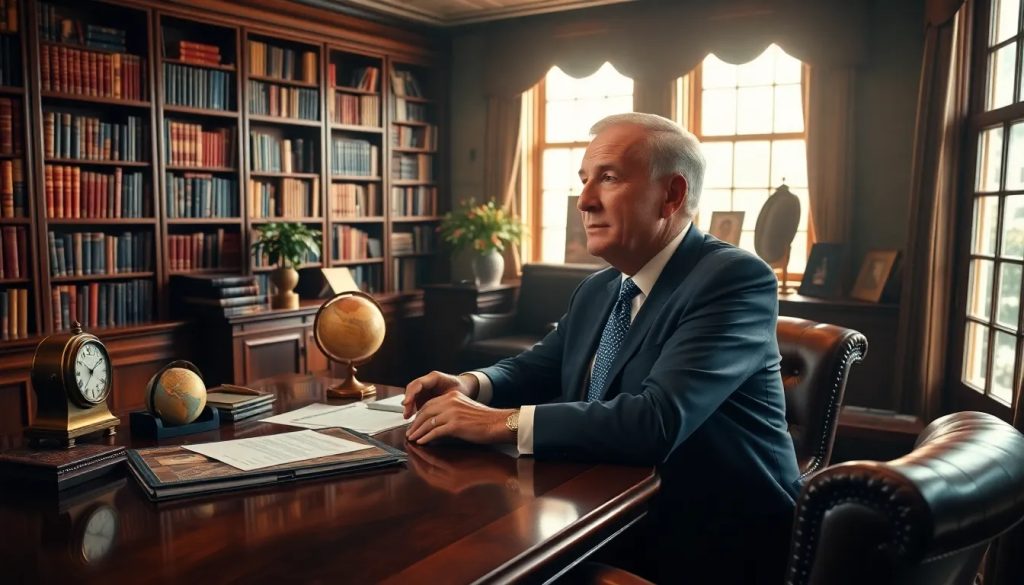
William P. Bundy remains a pivotal figure in the annals of American foreign policy and history. As a key advisor to Presidents Kennedy and Johnson, his influence on the Vietnam War and his subsequent reflection on American military intervention strategies continue to be read, shared, and discussed. Bundy's journey from a CIA operative to a critical academic voice offers a window into the complexities of Cold War diplomacy and the shaping of U.S. foreign relations.
- Who was William P. Bundy?
- What role did William P. Bundy play in the Vietnam war?
- How did William P. Bundy's background influence his career?
- What are the major works authored by William P. Bundy?
- What critique did William P. Bundy offer on Nixon's policies?
- How is William P. Bundy remembered in historical context?
- Recurring themes in William P. Bundy's quotes
- Practical application of quotes by William P. Bundy
- Authors related to William P. Bundy
Who was William P. Bundy?
William Putnam Bundy was an influential advisor and strategist during some of the most turbulent years of American foreign policy. Born into a family deeply involved in politics, Bundy's career path was shaped by both personal conviction and the historical events of his time.
His contributions were most significantly felt during the Vietnam War, a period where his roles and decisions were subject to intense scrutiny and later reflection. Bundy's career spanned from the CIA to the State Department, reflecting a profound engagement with key issues of the 20th century.
Despite the controversy surrounding his role in the escalation of the Vietnam War, Bundy's later criticism of Nixon's policies and his academic works offer a complex picture of a man deeply enmeshed in the machinations of power and the crafting of policy.
What role did William P. Bundy play in the Vietnam war?
Understanding William P. Bundy's influence on the Vietnam War is crucial to grasping his legacy. As Assistant Secretary of State for Far Eastern Affairs, Bundy was a proponent of military action in Vietnam, advocating for escalation as a means to counter communist expansion in Southeast Asia.
However, his viewpoint evolved over time. The war's protraction and the human cost led Bundy to reassess his earlier stances, eventually becoming a voice of regret and caution about the role he played in advocating for the war.
Bundy's experience with Vietnam became a cornerstone of his later academic and written work, wherein he sought to understand and articulate the lessons that could be gleaned from this period of American foreign policy.
How did William P. Bundy's background influence his career?
William P. Bundy's career was not a product of chance but a clear reflection of his background and experiences. His service in the Army during World War II, combined with his work at the CIA, provided him with a unique perspective on international affairs and security issues.
Bundy's education and early professional roles equipped him with the knowledge and skills that would later inform his decisions during the Cold War. His family's political engagement also played a role in shaping his worldview and approach to policy-making.
This fusion of personal history and professional experience made Bundy a formidable figure within the spheres of government and academia.
Bundy's contribution to the intellectual dialogue on foreign policy is perhaps best encapsulated in his major work, "Tangled Web." In this book, he delves into the intricate and often convoluted nature of international relations and policy-making.
Apart from "Tangled Web," Bundy's writings include numerous essays and articles that critically examine U.S. foreign policy, particularly in relation to the Vietnam War and the broader context of the Cold War.
His academic contributions further extend to his tenure as a professor at institutions such as MIT and Princeton, where he continued to influence and educate future policy makers and thinkers.
What critique did William P. Bundy offer on Nixon's policies?
William P. Bundy's reflections on Nixon's policies were marked by a critical lens, particularly regarding the management of the Vietnam War. Bundy critiqued the Nixon administration's approach, which he felt failed to adequately address the complexities and realities of the conflict.
His critiques were not limited to Vietnam; Bundy also addressed broader issues of diplomacy and international relations, often questioning the efficacy and ethics of Nixon's strategies.
This critical stance distinguished Bundy from many of his contemporaries and highlighted his commitment to understanding and learning from the mistakes of American foreign policy.
How is William P. Bundy remembered in historical context?
In the historical context, Bundy is remembered as a figure who encapsulated the tensions and contradictions of American foreign policy during the Cold War. His role in the Vietnam War and his subsequent retrospection and criticism of that period provide a multifaceted view of the challenges and responsibilities of policy-making.
- Historical period or era: Cold War
- Field or role: Government advisor, Academic
- Main themes: Military intervention, Diplomacy in Vietnam, Reflection on policy decisions
- Resonance: Bundy's candid reassessment of his Vietnam War role resonates with current debates on the limits and implications of military intervention.
The legacy of William P. Bundy in American politics is one of intellectual rigor and the pursuit of a nuanced understanding of the dynamics of international affairs. His willingness to critique and reflect upon American foreign policy positions him as a key historical figure whose thoughts and actions continue to inform discussions about the U.S. role on the global stage.
Recurring themes in William P. Bundy's quotes
Bundy's quotes often reflect the themes of diplomacy, political realism, and the complexity of international relations. Each theme represents an aspect of his understanding of foreign policy and the difficult decisions that come with it.
- Understanding the balance of power and the importance of strategic decision-making.
- Recognizing the unintended consequences of political actions, particularly in military interventions.
- Valuing diplomacy and international cooperation as key tools in resolving conflicts and promoting global stability.
These themes reveal a man deeply engaged with the intricacies of governmental decision-making and the moral dilemmas that accompany them.
Practical application of quotes by William P. Bundy
- Reflection: Considering the historical context and implications of Bundy's quotes can provide deeper insights into modern foreign policy challenges.
- Journaling: Writing about Bundy's quotes can help individuals explore their own views on international relations and political responsibility.
- Leadership: Bundy's reflections can serve as a valuable resource for leaders seeking to understand the long-term impact of their decisions.
Employing Bundy's words within these contexts can inspire critical thinking and a more informed approach to contemporary issues.
When exploring Bundy's work and legacy, there are several authors and contemporaries who share similar themes or are often discussed in parallel.
- McGeorge Bundy: Brother of William P. Bundy and also an influential figure in American foreign policy, particularly during the Kennedy and Johnson administrations.
- Henry Kissinger: As a key architect of U.S. foreign policy during the Nixon Administration, Kissinger's realpolitik echoes some of Bundy's strategic considerations.
- Robert McNamara: His role as Secretary of Defense during the Vietnam War and later reflections share common ground with Bundy's experiences and retrospectives.
These individuals, though each with their own distinct contributions, form part of the broader dialogue on American foreign policy during the Cold War, in which Bundy played a significant role.