
William Shenstone
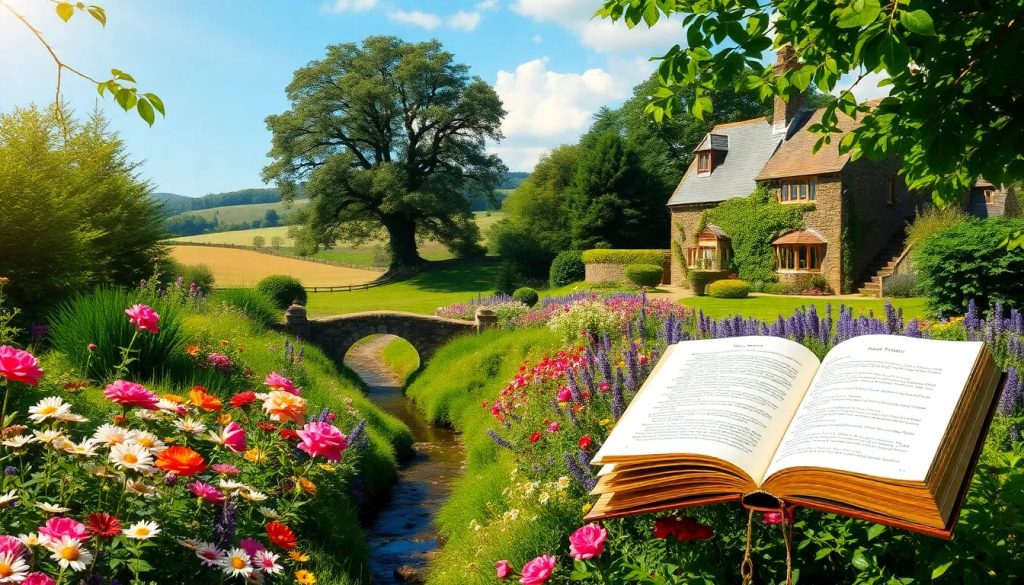
William Shenstone: The Poet and Landscape Gardener
==================================================
The legacy of William Shenstone endures not only through his lyrical poetry but also through his pioneering contributions to landscape gardening. His balanced approach to blending the naturalistic with the structured created spaces that still inspire gardeners and poets alike. Today, Shenstone's quotes, drawn from both his verses and his horticultural philosophy, continue to captivate readers for their timeless relevance and evocative imagery.
At a glance
- Historical period: 18th-century British Enlightenment
- Field/Role: Poet and Landscape Gardener
- Main themes: Nature, beauty, pastoral life, and landscape aesthetics
- Resonance: A synthesis of natural beauty with human creativity
Core Ideas in Shenstone's Quotes
William Shenstone was a master of encapsulating profound ideas into brief, yet impactful, quotations. Central to his musings were themes such as the idyllic pastoral life, the intrinsic beauty of nature, and the importance of simplicity. His reflections often emphasized the emotional response that natural beauty evokes, and the thoughtful interplay between the landscape and human intervention.
One of the recurring themes in Shenstone's quotes is the idea that nature serves as both muse and canvas for the human experience. He believed in nurturing one's surroundings to reflect the internal landscape of feelings and thoughts. Another theme is the inherent wisdom found in rural virtues, showcasing his admiration for simplicity and honesty found in country living.
Shenstone's ability to find solace and inspiration in nature also resonates in his quotes. His words often suggest that quiet reflection in natural surroundings is key to personal enlightenment and peace. Lastly, the transformative power of beauty, and its ability to uplift the human spirit, is a theme that Shenstone explored in both his poetry and his gardens.
Renowned Quotes and their Contexts
William Shenstone's best-known quotes are interwoven with the idyllic and the practical. His words often reflect the harmony he sought to create in his landscape work, articulating a vision of nature that is both accessible and profound. In the quotes below, one can sense the depth of Shenstone's appreciation for the natural world and his desire to see it reflected in human endeavors.
For instance, Shenstone's reflections on the pastoral and picturesque reveal his sensitivity to the aesthetics of rural life. He spoke to the heart of the 18th-century picturesque movement, which favored the wild, untamed beauty of the landscape over rigid, formal gardens. This thematic leaning is evident in his poems and his design philosophy at The Leasowes.
It is not only the beauty but also the utility of nature that Shenstone celebrated in his words. He understood the landscape as an environment that could nurture and sustain, as well as delight the senses. This dual appreciation is indicative of the time's burgeoning Romantic sensibility, which he helped to shape with his creative endeavors.
Practical Applications of Shenstone's Quotes
- Inspiration for modern landscape design, emphasizing the integration of natural features
- Reflection on the virtues of pastoral life and simplicity
- Guidance for creative writing and poetry, highlighting the use of natural imagery
- Personal growth and mindfulness through the appreciation of beauty and nature
- Leadership and vision in aesthetic projects, blending functionality with artistry
Contemporaries and Successors
The influence of William Shenstone can be seen in the works of other luminaries of his time and those who followed. Robert Burns, with his romantic depictions of Scottish life and nature, echoes Shenstone's pastoral themes. Similarly, Wordsworth's profound connection to nature and his role in the development of Romantic poetry can be seen as an extension of Shenstone's philosophical landscape.
Shenstone's impact extended beyond poetry into the realm of landscape design, influencing the Picturesque movement and its proponents. His work prefigured the Romantic era's celebration of the natural world and its beauty, an ethos that would resonate with generations of poets and gardeners to come.
William Shenstone's Lasting Impact
In analyzing the life and works of William Shenstone, one cannot help but be impressed by the breadth of his influence. Although best remembered for his poetry, his impact on landscape gardening is equally significant. The Leasowes, his estate, stands as a testament to his vision of the naturalistic garden and its enduring appeal.
His approach to landscape design, often described in his poetry analysis, was marked by a deep understanding of Romantic poetry's central tenets. This synthesis of art and nature would go on to inspire a generation of landscape architects and poets, all seeking to capture the delicate balance between the wild and the cultivated that Shenstone so masterfully achieved.
In conclusion, William Shenstone's legacy is multifaceted, encompassing both the literary and the aesthetic. His ability to articulate the synergy between human creativity and the beauty of the natural world continues to inspire. His work reminds us that it is in the quiet contemplation of nature that one often finds the deepest truths.
Explore more on related themes: naturalistic garden design, pastoral themes, and rural virtues.