
William Westmoreland
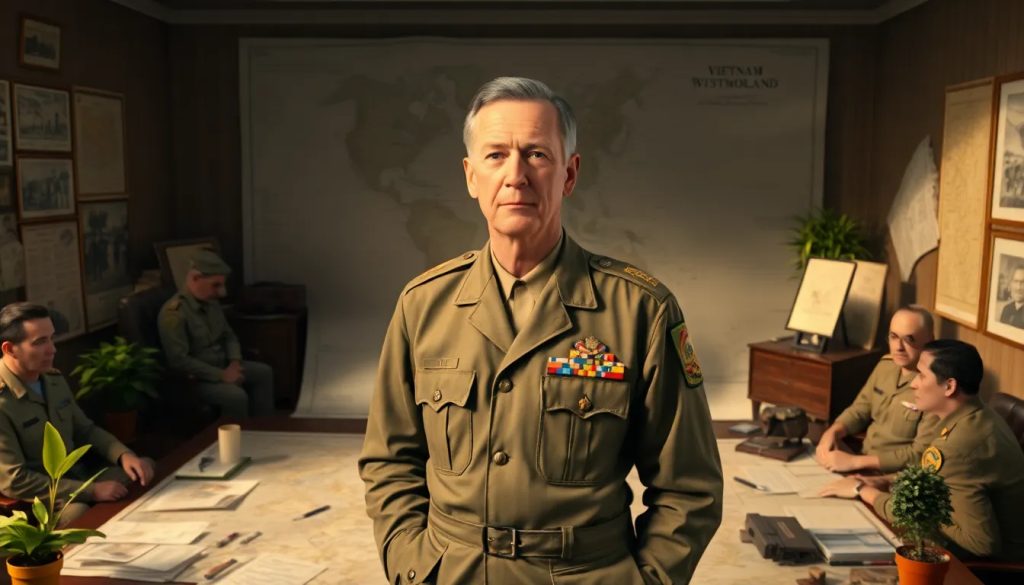
The name William Westmoreland remains etched in American history, a symbol of military leadership and the complexities of war. His quotes, often reflective of the harrowing experiences of the Vietnam War, continue to be studied for their depth and insight into military strategy and leadership.
- At a Glance
- Core Ideas in Westmoreland's Quotes
- Representative Selection of Quotes
- Practical Ways to Use Westmoreland's Quotes
- Related Authors
- William Westmoreland's Military Career
- Contributions to the Vietnam War
- Education and Early Influence
- Significant Achievements
- Passing and Legacy
- Major Books and Publications
- Family and Personal Life
At a Glance
- Historical period: Vietnam War era
- Field: Military, U.S. Army
- Main themes: Leadership, Conflict, Duty, Strategy
- Resonance: Westmoreland's words offer a window into the mindset of a military leader during one of the most turbulent times in modern history
Core Ideas in Westmoreland's Quotes
Westmoreland's quotations often reflect his resolve and strategic thinking. For example, the emphasis on tenacity and endurance in the face of overwhelming odds is a recurring theme. His belief in the importance of military might in determining geopolitical outcomes, and the significance of public opinion in the context of war, also emerge prominently in his statements.
Representative Selection of Quotes
Among Westmoreland's famous quotes from the Vietnam War, his reflections on the Tet Offensive and its impact on public perception stand out. The quotes below embody his views on leadership and war, showcasing his ability to navigate the complexities of military and public spheres.
Practical Ways to Use Westmoreland's Quotes
- Reflection: Analyzing the lessons from his experiences in leadership and conflict.
- Journaling: Drawing inspiration from his words to assess personal and professional challenges.
- Leadership: Understanding the weight of decision-making and the importance of resilience.
- Personal Growth: Learning from historical figures to cultivate a sense of duty and strategic thinking.
Similar themes can be found in the writings of General Norman Schwarzkopf, who also dealt with war complexities and leadership. Additionally, Robert McNamara's reflections on the Vietnam conflict provide another perspective on the themes Westmoreland grappled with.
William Westmoreland's Military Career
Westmoreland's military education and career were marked by significant advancements. He served with distinction during World War II and the Korean War before taking command in Vietnam. His ascent to the role of Army Chief of Staff underscored his military acumen and leadership qualities.
Contributions to the Vietnam War
Westmoreland's role in the Vietnam War was pivotal. He was the architect behind the strategic decisions that shaped the conflict, including the controversial increase in U.S. troop deployment. His leadership during the Tet Offensive, though controversial, reflects his military legacy and its complexities.
Education and Early Influence
Westmoreland's formation as a military leader was deeply influenced by his education at West Point. His academic performance and adherence to the institution’s values shaped his future leadership style and strategic approach.
Significant Achievements
Among Westmoreland's notable achievements were his command roles in major conflicts and his tenure as Army Chief of Staff. His influence extended beyond military circles, affecting American policy and public opinion during a critical period in U.S. history.
Passing and Legacy
Westmoreland's death marked the end of an era, but his legacy continues through significant battles and strategic military decisions that still inform military doctrine and leadership studies.
Major Books and Publications
Literature on Westmoreland covers various aspects of his life, from his military career to his personal reflections on the Vietnam War. These works provide a comprehensive understanding of his leadership qualities and strategic decisions.
Family and Personal Life
William Westmoreland's family background is often highlighted in discussions of his character. His personal life, including his children, provides a more intimate view of the man behind the uniform.
Each element of Westmoreland's life, from his military strategies to personal convictions, offers valuable insights into the nature of leadership and the burdens of command. His quotes not only reflect his experiences but also serve as a source of learning and contemplation for future generations.