
William Wycherley
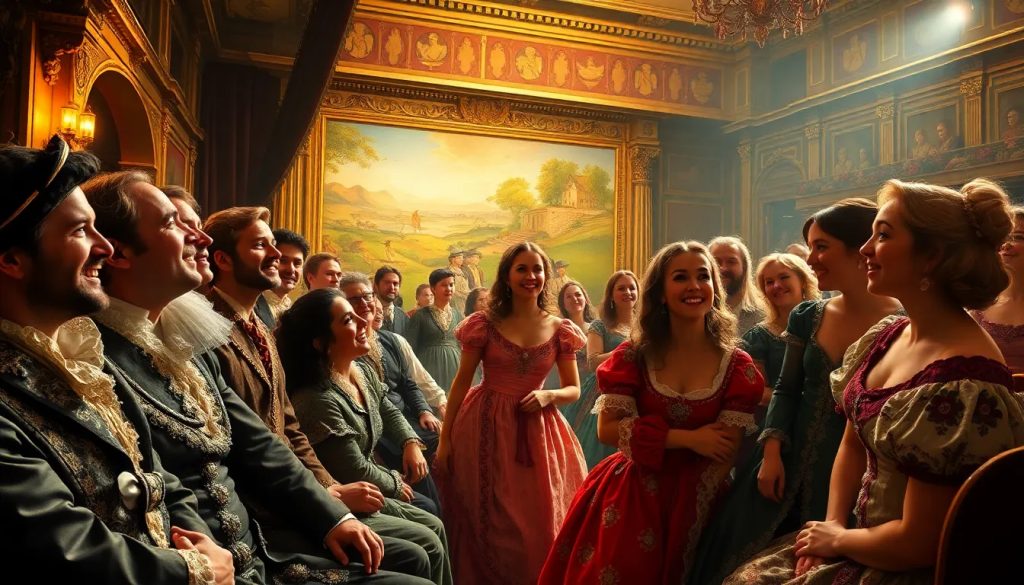
The enduring appeal of William Wycherley's quotes speaks volumes about the playwright's sharp wit and deep understanding of human nature. These quotes, though centuries old, continue to resonate today, offering insights into society and the human condition that are as relevant now as they were during the English Restoration period.
At a glance
- Historical period: English Restoration
- Field or role: Playwright
- Main themes: Marriage, infidelity, social satire
- Resonance: Timeless wit and keen observation of human behavior
Core ideas in William Wycherley's quotes
William Wycherley's plays are treasure troves of quotations that reveal the intricate dance of social pretense and the folly of humans in pursuit of love and status. His quotes often display an acute awareness of the duplicity inherent in social interactions of his time.
One theme is the superficiality of aristocratic life, where appearances are everything, and true feelings are often masked by a veneer of politeness or deceit. Another recurring topic is the battle of the sexes, highlighting the constant, witty warfare between men and women in matters of love and marriage.
Wycherley also exposes the hypocrisy within the institution of marriage, poking fun at the sanctity of the marital bond in the face of rampant infidelity. His work delves into the disparity between public virtue and private vice, where characters often lead double lives to uphold societal expectations. Lastly, his dialogue betrays a delight in the clever use of language as a tool for both seduction and subterfuge.
Quotes exemplifying the wit of William Wycherley
In the quotes below, Wycherley's razor-sharp repartee is evident. He used his characters as mouthpieces to skewer the pretensions and follies of the society of his day. Each line brims with double entendres and biting satire, reflecting the playwright's profound understanding of the human capacity for self-deception and rationalization.
The context of these quotes often stems from a society fraught with moral ambiguity. Characters navigate a world where societal status is paramount, and individual desires are secondary, often leading to comical but poignant truths about the human experience.
Practical ways to use William Wycherley's quotes
- Reflect on the contradictions within society and personal behavior.
- Enhance understanding of satirical literature and its historical context.
- Apply Wycherley's wit to modern discussions on relationships and social norms.
- Foster resilience by finding humor in the face of life's absurdities.
- Draw inspiration for creative writing, drama, and performance.
William Congreve: Known for his similar sharp wit and mastery in the Comedy of Manners.
Oscar Wilde: Although from a later era, Wilde's work resonates with Wycherley's in its satirical look at society and moral hypocrisy.
Molière: French contemporary who also satirized the pretensions and hypocrisies of the upper classes.
Historical context of William Wycherley's work
William Wycherley emerged as a pioneering figure during the Restoration period, a time when English theatre experienced a resurgence after the Puritan ban on stage plays was lifted. His comedies, particularly The Country Wife and Love in a Wood, are celebrated for their uncanny ability to caricature and critique the manners of his time through brilliant dialogue and farcical situations.
The significance of Wycherley in Restoration comedy is two-fold: he both reflected and shaped the tastes of an audience that was eager to indulge in the newfound freedoms of Charles II's reign. This era was marked by an emphasis on entertainment and a departure from the didacticism that characterized earlier works.
Biography of William Wycherley
Wycherley's life was as colorful and tumultuous as the characters he created. Born in 1641, his experiences in France and at Oxford exposed him to a range of intellectual and cultural influences. His fluctuation between Anglicanism and Catholicism hinted at the personal and political complexities of the era. Despite a stint in the military and close ties to the court, Wycherley faced financial hardships and was even imprisoned for debts until King James II intervened.
His personal struggles, however, did not hinder his sharp literary output. Instead, they provided him with a wealth of material that would inform his satirical portrayal of Restoration society. Upon his death in 1716, Wycherley left behind a legacy as one of the wittiest dramatists of his time and a mentor to future literary figures.
Summary of 'The Country Wife' by William Wycherley
The play The Country Wife is perhaps the best embodiment of Wycherley's talent for social satire. The plot revolves around the sexual hypocrisies of the upper classes, with the protagonist Horner feigning impotence to seduce married women without arousing their husbands' suspicions. This masterful comedy showcases Wycherley's capacity to expose the absurdities of the societal norms while simultaneously reveling in them.
As we delve into the intricacies of Wycherley's work, it is clear that his legacy endures not only through his brilliantly crafted lines but also through the timeless themes that continue to captivate and provoke audiences and readers alike.