
Winfield Scott Hancock
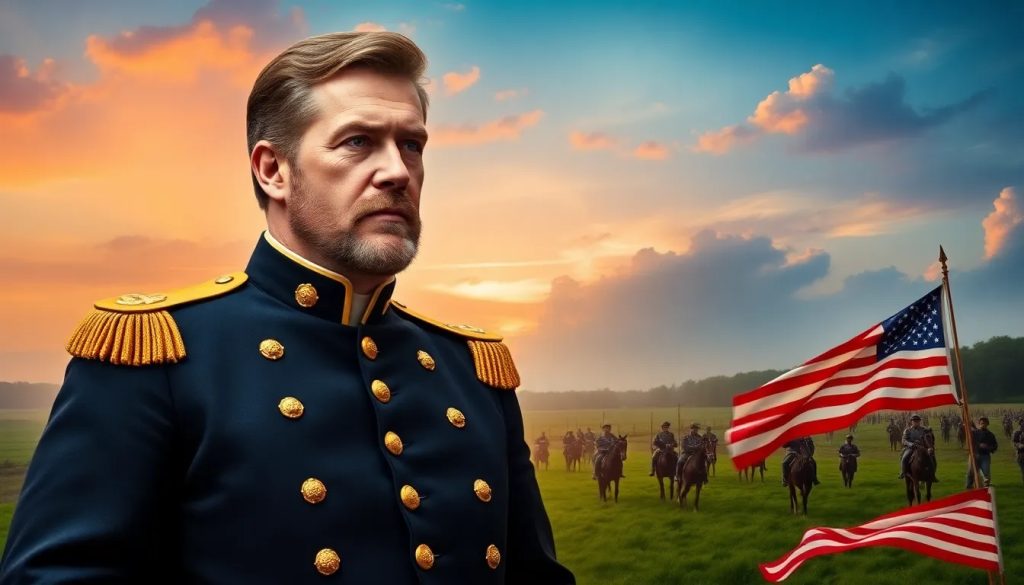
Winfield Scott Hancock's legacy as a Union general during the American Civil War continues to inspire historical research and public interest. His actions in key battles and his later political endeavors have left an enduring mark on American history. In examining his life and legacy, one can gain a deeper understanding of the complexities that define one of the most turbulent periods in the nation's past.
- Who Was Winfield Scott Hancock?
- What Were Winfield Scott Hancock's Major Contributions During The Civil War?
- How Did Winfield Scott Hancock Die?
- What Were Winfield Scott Hancock's Political Views?
- Where Was Winfield Scott Hancock Born?
- What Is The Significance Of The Winfield Scott Hancock Memorial?
- How Tall Was Winfield Scott Hancock?
- Winfield Scott Hancock's Military Career
- Winfield Scott Hancock's Leadership Qualities
- Winfield Scott Hancock's Role in the Civil War
- Winfield Scott Hancock's Legacy
- Winfield Scott Hancock's Contributions to American Politics
- General Hancock, Civil War, and Democratic Presidential Nominee
- Military History and Union General
- Related Authors and Historical Figures
Who Was Winfield Scott Hancock?
Winfield Scott Hancock was a prominent figure in American military history, heralded for his leadership qualities and tactical prowess during the Civil War. Born on February 14, 1824, in Pennsylvania, Hancock's military career spanned four decades, where he rose through the ranks to become one of the most respected Union generals.
His gallantry at the Battle of Gettysburg, where he played a crucial role in the Union victory, marked him as one of the war's most capable leaders. Hancock's name became synonymous with bravery and skillful command, earning him the nickname "Hancock the Superb."
Despite his military successes, Hancock's life was not without controversy. His foray into politics as the Democratic presidential nominee in 1880 and his role during the Reconstruction era drew both praise and criticism, highlighting the often-contentious nature of post-war American politics.
What Were Winfield Scott Hancock's Major Contributions During The Civil War?
Winfield Scott Hancock's contributions during the Civil War were both strategic and symbolic. As a corps commander, he was integral to several key battles, distinguishing himself as a leader who could inspire his troops under fire.
He was involved in the Peninsular Campaign, the Battle of Antietam, and his most notable engagement at Gettysburg, where his decisive actions on the second day of battle held the Union line at Cemetery Ridge. His leadership during Pickett's Charge on the final day helped secure a pivotal Union victory.
Hancock's military career, characterized by his ability to maintain composure in the face of overwhelming odds, remains a study in leadership and battlefield strategy, providing valuable lessons for both military historians and leadership studies.
How Did Winfield Scott Hancock Die?
The life of General Winfield Scott Hancock met its end not on the battlefield but due to complications from an illness. On February 9, 1886, at the age of 61, Hancock passed away from diabetes-related complications. His death marked the loss of one of the Civil War's most esteemed leaders.
In recognition of his service and impact, Hancock was given a funeral with full military honors, attended by numerous veterans, dignitaries, and admirers. He was interred at Montgomery Cemetery in Norristown, Pennsylvania, where his grave continues to be a site of homage for those who value his contributions to the nation.
What Were Winfield Scott Hancock's Political Views?
Hancock's political views were shaped by his experiences in the military and his deep sense of national unity. A Democrat, he ran for President in 1880, advocating for reconciliation between the North and South and opposing the more punitive aspects of Reconstruction.
His moderate stance on civil rights and his belief in a strong, centralized federal government were reflective of the tensions of his time. Although he was narrowly defeated in the presidential election, Hancock's political ideals and speeches continued to influence the discourse on national unity and governance during the latter part of the 19th century.
Where Was Winfield Scott Hancock Born?
The early life of Winfield Scott Hancock began in Montgomery County, Pennsylvania. His birthplace, a modest home in the town of Norristown, is remembered as the starting point of a journey that would lead him to the highest echelons of the United States Army and onto the national political stage.
It was in this rural setting that Hancock developed the values of duty and integrity that would later define his military and political career. His Pennsylvania roots were often cited as grounding his steadfast character and were a source of pride throughout his life.
What Is The Significance Of The Winfield Scott Hancock Memorial?
The memorials dedicated to Winfield Scott Hancock serve as testaments to his enduring influence and the respect he garnered throughout his service. The most prominent of these is located at his pivotal battlefield, Gettysburg, where a statue of Hancock on horseback overlooks the site of the Union line he so valiantly defended.
These memorials do more than just commemorate Hancock's contributions. They provide a space for reflection on the ideals of courage, sacrifice, and leadership that Hancock exemplified. They also invite ongoing discussions about the complexities of the Civil War and the individuals who shaped its outcomes.
How Tall Was Winfield Scott Hancock?
Physical stature often contributed to the perception of leadership qualities in military figures, and Hancock was no exception. Standing at an imposing 6 feet 2 inches, his height complemented his commanding presence and added to his reputation as a towering figure on and off the battlefield.
This physical presence, combined with his military acumen, contributed to the image of Hancock as a larger-than-life individual, whose persona was as impactful as his military strategies in shaping the course of the Civil War.
Winfield Scott Hancock's Military Career
- Participated in numerous battles, showing tactical skill and bravery.
- Known for his decisive action and leadership at Gettysburg.
- His military career spanned the Mexican-American War through the Civil War.
- Left a legacy as one of the Union's most capable generals.
Winfield Scott Hancock's Leadership Qualities
- Demonstrated an ability to remain calm under pressure.
- Inspired his men through personal example and courage.
- Respected by both his peers and subordinates for his fairness and tactical insight.
Winfield Scott Hancock's Role in the Civil War
- Played a significant role in key battles that shaped the war's outcome.
- His leadership helped turn the tide in favor of the Union at critical moments.
Winfield Scott Hancock's Legacy
The legacy of Winfield Scott Hancock is a tapestry woven from his military achievements, political aspirations, and the values he stood for. His life's work left a mark on American history, particularly in the realms of military leadership and national unity.
Today, Hancock is studied not only for his actions but also for the character and resilience he displayed throughout his career. His example continues to inspire and inform discussions on leadership, both within military contexts and beyond.
Winfield Scott Hancock's Contributions to American Politics
Although best known for his military service, Hancock's influence extended to the political arena. His presidential campaign, though unsuccessful, left an imprint on the political landscape of the time, offering an alternative vision for a post-war America seeking healing and direction.
Hancock's political views, often characterized by his advocacy for a strong federal government and moderate stance on the rights of Southern states, reflect the complexities of a nation striving to find its footing after a devastating civil conflict.
General Hancock, Civil War, and Democratic Presidential Nominee
General Hancock's multifaceted role as a Civil War leader and later as a Democratic presidential nominee reflects the intersection of military prowess and political ambition. His candidacy for president underscored the potential for military leaders to transition into national politics, albeit with varying degrees of success.
Military History and Union General
Hancock's place in military history as a Union general is firmly established. His strategies and decisions during the Civil War are subjects of extensive study and have contributed significantly to the field of military history, offering insights into the art of war and command.
- Ulysses S. Grant: Like Hancock, Grant was a leading Union general whose military strategies were pivotal in the Civil War. Both men shared a commitment to preserving the Union.
- Robert E. Lee: As the commanding general of the Confederate Army, Lee was often Hancock's adversary on the battlefield. Their respective strategies and leadership styles have been the subject of many comparative analyses.
- William Tecumseh Sherman: Known for his "March to the Sea," Sherman, like Hancock, played a crucial role in Union military operations, and his actions have been studied alongside Hancock's in the broader context of the Civil War.
In conclusion, Winfield Scott Hancock's life and career encapsulate both the valor and the complexities of a nation at war with itself. His contributions to military strategy, leadership, and politics continue to resonate, offering enduring lessons and insights into the American Civil War and its lasting legacy.