
Winston Churchill
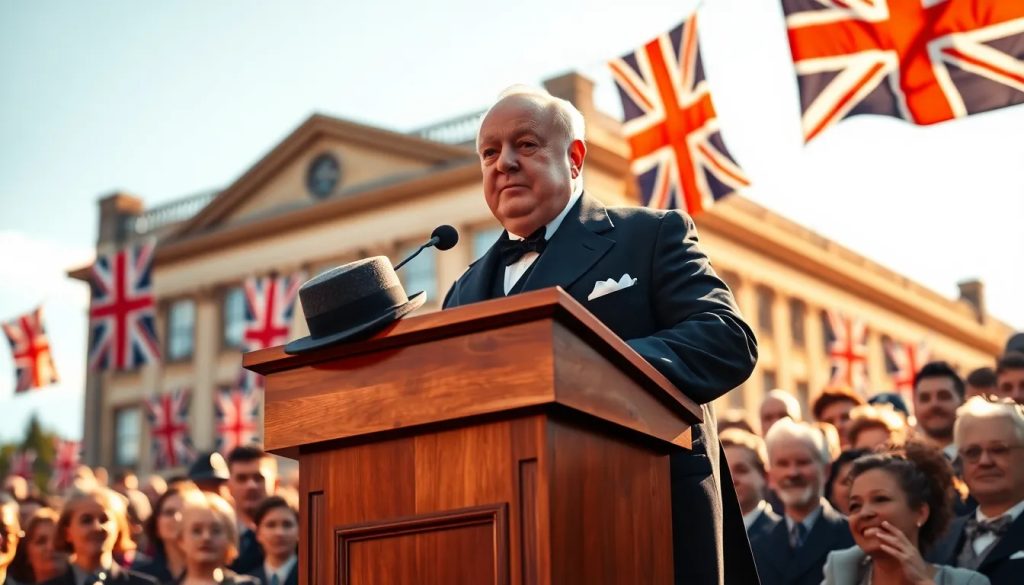
The enduring legacy of Winston Churchill is a testament to the power of words and the influence of leadership. In a time when the world faced unprecedented challenges, Churchill stood as a beacon of resilience and determination. His words not only shaped the course of history but continue to resonate with individuals seeking inspiration and understanding in the complexities of the 20th century and beyond.
- Who Was Winston Churchill?
- What Were Winston Churchill’s Early Years Like?
- How Did Winston Churchill’s Military Career Shape His Life?
- What Were Winston Churchill’s Major Contributions as Prime Minister?
- What Impact Did Winston Churchill Have During World War II?
- What Notable Speeches and Quotes Are Associated with Winston Churchill?
- How Did Winston Churchill’s Legacy Continue After His Death?
Who Was Winston Churchill?
Winston Churchill was a British statesman who served as the Prime Minister of the United Kingdom during the critical years of World War II. Known for his tenacity and eloquence, Churchill's leadership and oratory skills were instrumental in bolstering public morale during the darkest hours of the conflict.
Born into an aristocratic family, Churchill's career spanned over several decades, including roles as a soldier, author, and politician. His influence extended beyond his wartime leadership, leaving a lasting impact on the political landscape of the 20th century.
Churchill's ability to articulate the challenges and hopes of his era resulted in a number of quotes that continue to be celebrated for their wit, wisdom, and inspiration. His speeches and writings have been studied by historians, politicians, and public speakers, and they remain a central part of his enduring legacy.
What Were Winston Churchill’s Early Years Like?
Churchill's early years were marked by his education at Harrow School and his subsequent enrollment at the Royal Military Academy Sandhurst. His military service took him to Cuba, India, Sudan, and South Africa, providing him with a wealth of experiences that would later inform his political and literary careers.
Despite a somewhat rocky academic start, he went on to become an accomplished writer, reporting on military campaigns for newspapers and publishing books. This period of his life honed his communication skills and offered him a broad view of global affairs.
How Did Winston Churchill’s Military Career Shape His Life?
- Firsthand military experience: Churchill's participation in various military campaigns, including the Boer War, gave him insight into the complexities and tragedies of war.
- Political perspective: His time in the army influenced his views on military strategy and defense, topics that he would frequently address during his political career.
- Public profile: His military exploits, along with his escape from a prisoner-of-war camp in South Africa, made him a popular public figure and helped launch his political journey.
What Were Winston Churchill’s Major Contributions as Prime Minister?
As Prime Minister, Churchill's leadership was crucial in navigating the UK through World War II. His refusal to capitulate to Nazi Germany and his ability to rally the British people through stirring rhetoric were central to Britain's war effort.
Aside from the war, Churchill also implemented significant domestic reforms, including the Education Act of 1944, which expanded the state education system. His forward-thinking policies helped lay the groundwork for the post-war welfare state.
What Impact Did Winston Churchill Have During World War II?
Churchill's impact on World War II cannot be overstated. His speeches, including the "Iron Curtain Speech" and those given during the Battle of Britain, played a significant role in maintaining public morale. His strategic decisions, often made in conjunction with Allied leaders, helped shape the course of the war.
Churchill's unwavering stance against fascism and his close relationship with other Allied leaders were critical in forming a united front against the Axis powers. His impact extended beyond military and political strategy, as he embodied the spirit of British resilience and defiance.
What Notable Speeches and Quotes Are Associated with Winston Churchill?
Churchill's speeches and quotes are among the most memorable and often cited in history. They reflect his wit, eloquence, and steadfastness. Quotes such as "We shall fight on the beaches…" and "Never was so much owed by so many to so few" exemplify his ability to capture the gravity of a moment and inspire action.
It's important to note that while Churchill's quotes are widely known, the context in which they were spoken adds deeper meaning. They were often delivered during times of great adversity and served as rallying cries for a nation fighting for its survival.
How Did Winston Churchill’s Legacy Continue After His Death?
After his death, Churchill's legacy continued to grow. His historical writings, for which he won the Nobel Prize in Literature, provided insightful analyses of the events he shaped and witnessed. Publications like the Finest Hour Quarterly Magazine have perpetuated his memory, fostering an understanding of his influence during the Cold War and beyond.
Churchill's impact on 20th-century politics is evident in the principles of governance and international relations that many leaders still adhere to today. His legacy is not just preserved in the annals of history but persists in the shared consciousness of nations striving for democracy and peace.
Winston Churchill's life story offers not only a record of historical facts but also lessons in leadership, resilience, and the indomitable human spirit. His words have inspired countless individuals to face their own "finest hours" with courage and tenacity.