
Wolfgang Amadeus Mozart
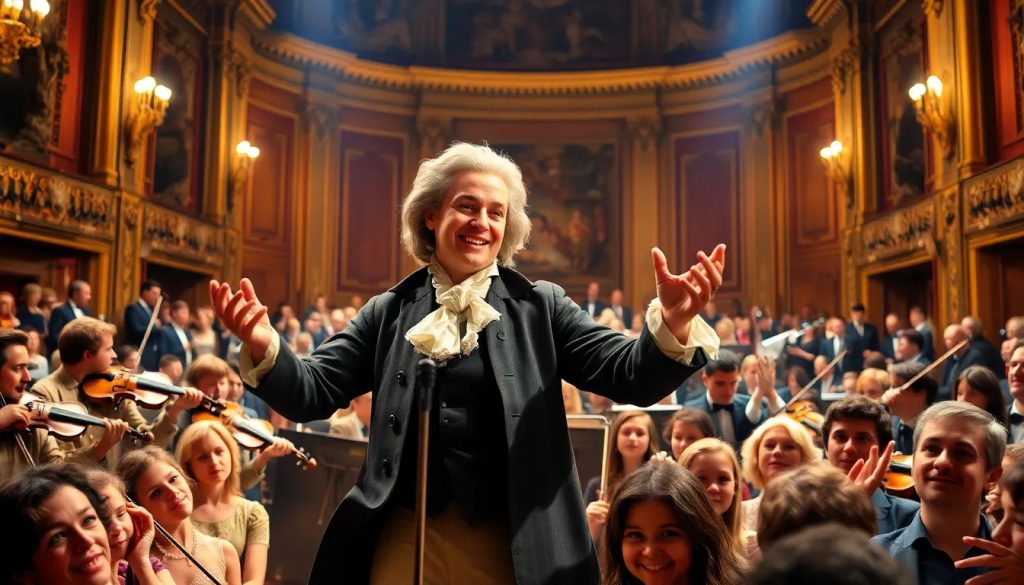
The legacy of Wolfgang Amadeus Mozart endures, his melodies and harmonies echoing through time. Centuries after his lifetime, the sheer breadth and depth of his work continue to captivate audiences, attesting to his genius and the universal appeal of his music.
Mozart's compositions are lauded not just for their technical mastery, but for the way they speak to the human condition. His ability to weave profound emotion into the tapestry of sound makes his work a timeless source of inspiration and reflection.
- What Are The Key Highlights Of Wolfgang Amadeus Mozart's Life?
- How Did Wolfgang Amadeus Mozart Influence Classical Music?
- What Are Some Of The Most Famous Compositions By Mozart?
- How Did Wolfgang Amadeus Mozart's Childhood Shape His Career?
- What Is The Significance Of Mozart's "Requiem"?
- How Can You Pronounce "Wolfgang Amadeus Mozart" Correctly?
- What Are The Major Operas Composed By Mozart?
What Are The Key Highlights Of Wolfgang Amadeus Mozart's Life?
Wolfgang Amadeus Mozart's biography is as fascinating as his music. Born in Salzburg in 1756, he demonstrated extraordinary musical prowess from a young age, already competent on keyboard and violin by the age of five. He was composing from the age of five and performed before European royalty.
Throughout his life, Mozart was prolific, composing over 600 works, including some of the most famous and enduring pieces of the classical repertoire. Despite his untimely death at 35, his influence on classical music is incalculable—his innovative compositions have influenced countless composers, including his contemporary, Joseph Haydn, and his successor, Ludwig van Beethoven.
His travels across Europe exposed him to a wide array of musical styles, which he absorbed and reflected in his own music. This exposure helped him to become one of the most versatile composers of his era, proficient in every genre from symphonies and concertos to operas and chamber music.
How Did Wolfgang Amadeus Mozart Influence Classical Music?
Mozart's influence on classical music is monumental. His grasp of form and balance in composition, his development of the concerto, symphony, and opera, and his sheer expressive range elevated the standards of music. His work is seen as an archetype of the classical style, noted for its clarity, precision, and balance.
He contributed significantly to the development of the piano concerto, a genre he revolutionized with his unique contributions. His ability to create complex characters through music alone transformed opera, making it a more profound and emotional experience.
Mozart's influence on Beethoven is particularly noteworthy. Beethoven's admiration for Mozart's music is evident in the way he expanded on the older composer's innovations, pushing the boundaries of musical expression even further.
What Are Some Of The Most Famous Compositions By Mozart?
- Le nozze di Figaro (The Marriage of Figaro) - An opera buffa that is considered one of the greatest operas of all time.
- Don Giovanni - A compelling blend of comedy, melodrama, and supernatural elements.
- Symphony No. 40 in G minor - Known for its emotionally charged and complex melodies.
- Piano Concerto No. 21 in C major - Featuring one of his most famous movements, the Andante.
- Requiem - A Mass in D minor left incomplete at his death, it's shrouded in mystery and is one of his most powerful works.
How Did Wolfgang Amadeus Mozart's Childhood Shape His Career?
The prodigious talents of Mozart were nurtured from a child prodigy into full artistic maturity by a combination of natural ability and rigorous, comprehensive training by his father, Leopold Mozart. His early exposure to music and performance helped him develop an intuitive understanding of musical theory and composition.
The travels across Europe during his childhood allowed him to absorb a wide variety of musical influences, which he would later incorporate into his own distinctive style. These experiences not only shaped his career but also helped to spread his fame across the continent.
His early success provided Mozart with a wide network of contacts and patrons, although it also set a high standard that he strove to maintain throughout his life, often leading to financial and personal difficulties.
What Is The Significance Of Mozart's "Requiem"?
Mozart's "Requiem," his final composition, stands as a profound testament to his artistry. Unfinished at the time of his death, it was completed by his students, making it a collaborative bridge between his mortal life and his enduring legacy.
The "Requiem" is a reflection of Mozart's emotional depth and his capacity to convey the complexities of human existence through music. It is both a personal statement and a universal one, a meditation on mortality that resonates with listeners to this day.
Its dramatic intensity and intricate choral and orchestral writing have made it not only a cornerstone of the classical repertoire but also a favorite among audiences worldwide, often performed in remembrance of the departed.
How Can You Pronounce "Wolfgang Amadeus Mozart" Correctly?
"Wolfgang Amadeus Mozart" is pronounced as /ˈvɔlfɡaŋ amaˈdeus ˈmoːtsaʁt/ in the original German. His name has become synonymous with classical music excellence and remains a staple in the pronunciation repertoire of musicians and classical music enthusiasts worldwide.
What Are The Major Operas Composed By Mozart?
- Le nozze di Figaro - A defining work of the opera buffa genre, known for its intricate plot and brilliant score.
- Don Giovanni - Blending humor, tragedy, and supernatural elements, it's a testament to Mozart's versatility.
- Die Zauberflöte (The Magic Flute) - A singspiel that combines whimsical fantasy with profound insights into human nature.
- Così fan tutte - A comedic yet poignant exploration of love, fidelity, and human behavior.
- Idomeneo - Recognized as Mozart's first great opera, showcasing his early mastery of the form.
The musical genius of Wolfgang Amadeus Mozart is as evident in his symphonies and concertos as it is in his operas. His works continue to be celebrated for their beauty, complexity, and emotional depth, ensuring that his legacy will endure for generations to come.