
Xun Kuang
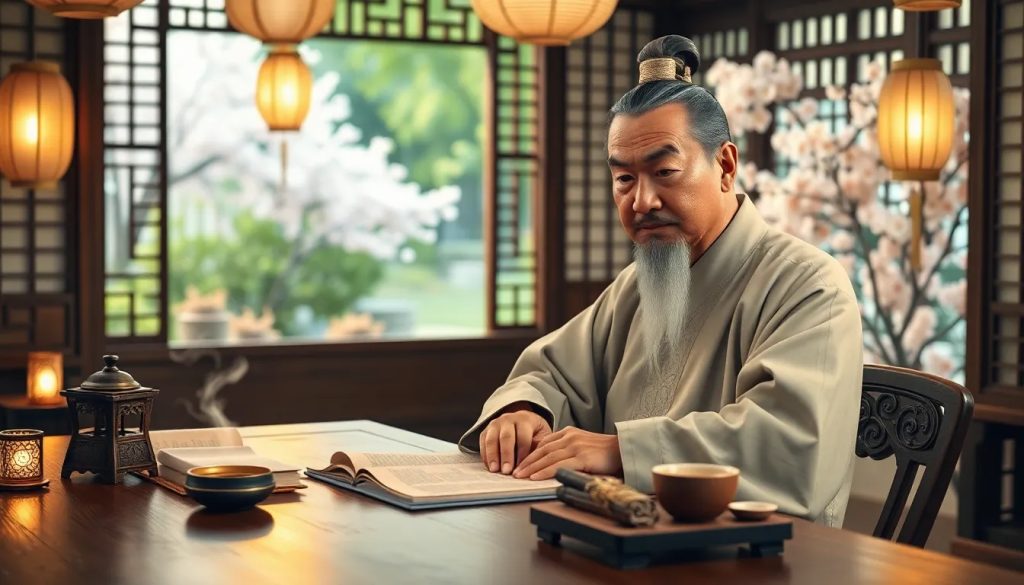
- Xun Kuang: The Philosophy of a Confucian Thinker
- Is Xun Kuang the Same as Xunzi?
- What Are the Key Concepts of Xunzi's Philosophy?
- How Did Xunzi Influence Confucian Thought?
- What Is the Importance of Rituals in Xunzi's Teachings?
- How Does Xunzi's View of Human Nature Differ from Mencius?
- What Are the Main Works of Xunzi?
- How Is Xunzi's Philosophy Applied in Modern Education?
- Applying Xunzi's Teachings in Modern Life
- Contemporary Thinkers Aligned with Xunzi's Philosophy
Xun Kuang: The Philosophy of a Confucian Thinker
The enduring appeal of Xun Kuang, known widely as Xunzi, lies in his profound insights into human nature and the pursuit of moral goodness. His stance on the innate tendencies of humanity and the transformative power of education and rituals provides a counterpoint to more idealistic views within Confucian tradition. The relevance of Xunzi's teachings extends far beyond his own era, offering timeless wisdom on personal and societal ethics.
Is Xun Kuang the Same as Xunzi?
Xun Kuang and Xunzi refer to the same historical figure, a Chinese philosopher who left an indelible mark on Confucian thought. Xunzi's philosophy provides a realistic view of human nature and the role of societal structures in cultivating goodness. Both names are used interchangeably to discuss the contributions of this great thinker.
What Are the Key Concepts of Xunzi's Philosophy?
- Moral cultivation and education are crucial for societal harmony.
- Rituals and proper conduct (li) are foundational to developing virtue.
- Human nature is inherently flawed, and it is through education and self-cultivation that individuals can improve themselves.
- The importance of authoritative guidance in shaping ethical behavior.
How Did Xunzi Influence Confucian Thought?
Through his works, Xunzi established a pragmatic approach to Confucian philosophy. His influence on Confucian thought is substantial, promoting the idea that anyone can achieve moral rectitude through learned behavior, irrespective of their innate tendencies. This inclusive perspective democratized the path to virtue and significantly molded Confucian ideology.
What Is the Importance of Rituals in Xunzi's Teachings?
Rituals are central to Xunzi's ethical framework. He believed that through participation in rituals, individuals internalize societal values and cultivate personal virtue. The precision and orderliness of rituals reflect the harmony that should exist within society and the individual soul.
How Does Xunzi's View of Human Nature Differ from Mencius?
Contrary to Mencius, who posited an inherent goodness in people, Xunzi's view of human nature was decidedly more pessimistic. He asserted that individuals are born with selfish desires and it is only through education and moral discipline that they can overcome their base instincts and achieve ethical conduct.
What Are the Main Works of Xunzi?
- The "Xunzi," a collection of essays providing insights into his philosophy.
- Various analytics on governance, ethics, and human nature.
- Discourses on the importance of intellectual development and skepticism of superstition.
How Is Xunzi's Philosophy Applied in Modern Education?
In contemporary education, Xunzi's emphasis on discipline and moral education resonates strongly. His arguments for the formative influence of learned behaviors inform modern pedagogical approaches that focus on character building and the inculcation of societal values.
Understanding Xunzi's moral philosophy aids in grasping not only ancient Chinese thought but also the universal quest for human betterment through education. His teachings continue to inspire educators to foster environments where moral reasoning and ethical conduct can flourish.
Applying Xunzi's Teachings in Modern Life
- Use his quotes to inspire personal reflection and ethical contemplation.
- Apply his ideas on rituals to establish structured habits for self-improvement.
- Embrace continual learning and self-cultivation for personal growth.
- Adopt Xunzi's principles in leadership for a fair and rational approach to governance.
Contemporary Thinkers Aligned with Xunzi's Philosophy
Several modern philosophers echo the themes of Xunzi's work. Confucian scholars like Tu Weiming continue to explore the relevance of Confucian ethics in today's global context. Western philosophers, such as Martha Nussbaum, emphasize the role of education in moral development, resonating with Xunzi's principles.
Xun Kuang's philosophy offers a lens through which to view our nature and actions critically. While his ideas are firmly rooted in a historical context, their application transcends time, reminding us of the transformative power of education and the importance of societal structures in shaping moral character.