
Yamamoto Tsunetomo
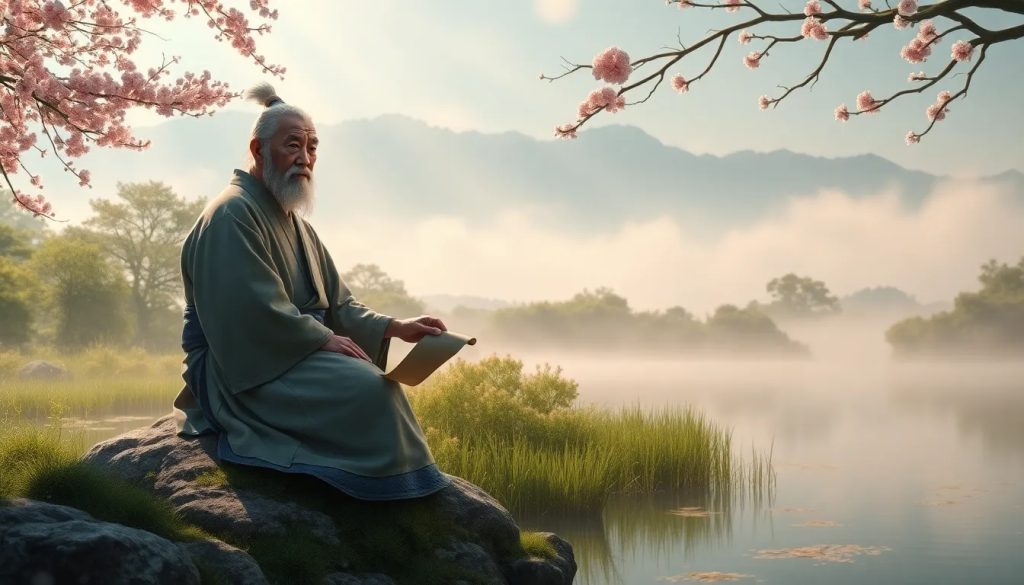
The enduring influence of Yamamoto Tsunetomo on the world of philosophy and martial arts is as much a testament to the depth of his wisdom as it is to the timeless appeal of his teachings. His words, encapsulated in the seminal work 'Hagakure', resonate with individuals seeking guidance in leadership, ethics, and personal development, centuries after they were first recorded.
- Who Was Yamamoto Tsunetomo?
- What Is the Essence of Hagakure?
- How Does Yamamoto Tsunetomo Define Loyalty?
- What Are the Key Principles and Teachings of Tsunetomo?
- What Role Did Death Play in the Life of Yamamoto Tsunetomo?
- How Has Hagakure Influenced Samurai Ethics?
- What Are the Misinterpretations and Controversies Surrounding Hagakure?
- Practical Applications of Tsunetomo's Quotes
- Authors Similar to Yamamoto Tsunetomo
Who Was Yamamoto Tsunetomo?
Yamamoto Tsunetomo, a revered figure in Japanese history, was a samurai of the Saga Domain during a peaceful era. Born in 1659, his life unfolded during a period devoid of war, where the way of the samurai faced an existential question: how to live honorably without the opportunity to display valor on the battlefield. Yamamoto's reflections and philosophy were meticulously documented by Tsuramoto Tashiro, a younger samurai, creating the foundational text, 'Hagakure'.
- Historical period: Edo period of Japan
- Field: Philosophy and martial arts
- Main themes: Honor, loyalty, death, and the way of the samurai (Bushido)
- Resonance: Tsunetomo's teachings provide insights into living a life of purpose and integrity.
What Is the Essence of Hagakure?
The 'Hagakure', often perceived as the spiritual guide for the samurai, is a collection of dialogues, anecdotes, and reflections. It delves into the bushido—the way of the samurai—focusing on themes such as loyalty, honor, and the significance of living and dying with purpose. The text is revered for its candid exploration of the samurai's mindset and values during a peaceful yet challenging era for the warrior class.
How Does Yamamoto Tsunetomo Define Loyalty?
Loyalty, for Tsunetomo, was the cornerstone of a samurai's life. It was an unwavering commitment to one's lord and the readiness to give one's life without hesitation. This absolute loyalty transcended personal interest or the fear of death, representing the highest virtue a samurai could embody.
What Are the Key Principles and Teachings of Tsunetomo?
Central to Yamamoto Tsunetomo's philosophy was the idea that a samurai's existence should be dedicated to the perfection of character. The key principles he advocated included sincerity in action, immediacy in decision making, and the importance of reflection and continuous self-improvement. His teachings underscored the value of living earnestly in the present moment with an awareness of the inevitable nature of death.
What Role Did Death Play in the Life of Yamamoto Tsunetomo?
Yamamoto Tsunetomo saw death not as a specter to be feared but as a companion on the path to a meaningful life. He believed that embracing one's mortality could sharpen the samurai's resolve and clarify his purpose. This acceptance allowed a samurai to act without hesitation or doubt, embodying the true spirit of bushido.
How Has Hagakure Influenced Samurai Ethics?
The 'Hagakure' emerged from relative obscurity to become a defining text on samurai ethics, influencing not just martial artists but also leaders in various fields. Its insights into moral conduct, leadership, and living a life aligned with one's principles have found relevance well beyond the confines of the samurai class, resonating with a global audience.
What Are the Misinterpretations and Controversies Surrounding Hagakure?
While 'Hagakure' is celebrated for its philosophical depth, it has not been immune to controversy. Some interpretations have been criticized for promoting a rigid, unquestioning loyalty that could be exploited by those in power. It is essential to approach the text with a nuanced understanding, recognizing the historical context in which it was written and the potential for varied interpretations.
Practical Applications of Tsunetomo's Quotes
- Reflection: Use the quotes as prompts for self-examination and philosophical inquiry.
- Journaling: Write about how the principles of bushido can be manifested in daily life.
- Leadership: Draw on Tsunetomo's wisdom to inspire decisiveness and integrity in leadership roles.
- Creativity: Utilize the teachings to break through mental barriers and foster innovation.
- Resilience: Apply the samurai's mindset to overcome personal and professional challenges.
- Personal growth: Reflect on the importance of continuous learning and self-improvement.
Miyamoto Musashi, another legendary samurai and philosopher, shared a focus on strategy, discipline, and self-mastery. Like Tsunetomo, Musashi's work continues to inspire martial artists and thought leaders.
Sun Tzu, known for 'The Art of War', offers strategic wisdom that complements Tsunetomo's focus on the inner life and ethos of the warrior.
Niccolò Machiavelli, though from a different cultural and historical context, also explored themes of power, leadership, and ethics, providing an interesting counterpoint to Tsunetomo's teachings.
In the realm of philosophy and martial arts, the name Yamamoto Tsunetomo carries with it a legacy of profound wisdom and enduring values. Through his quotes, we find a guide to living a life of purpose, courage, and honor—a path that continues to inspire and challenge seekers of growth and authenticity in today's world.