
Yevgeny Zamyatin
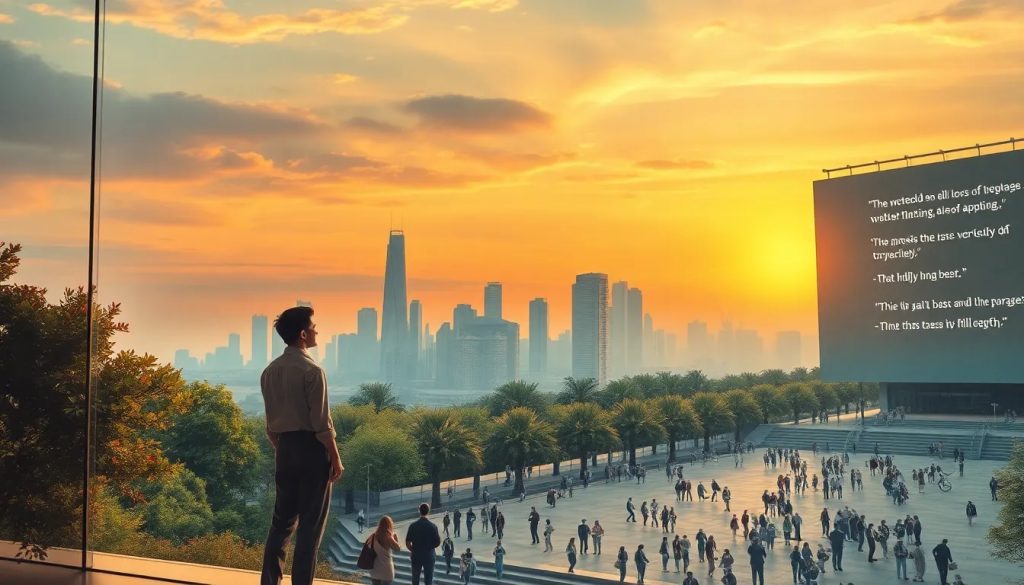
As a writer who crafted a future too chillingly reminiscent of our own potential path, Yevgeny Zamyatin's words remain a stark reflection of society's dance with authoritarianism. His novel, We, echoes through the corridors of time, not as a distant warning from the past but as a present conversation on the value of individuality.
At a glance
- Historical period: Early 20th century
- Field: Novelist, essayist
- Main themes: Totalitarianism, individual identity, conformity vs. rebellion
- Resonance: Anticipation of modern societal challenges
Core Ideas in Yevgeny Zamyatin's Quotes
The core ideas of Zamyatin's quotes reflect a deep understanding of human nature and the perils of a society stripped of personal freedoms. Among these, we recognize:
- Freedom and Individuality: Zamyatin believed in the importance of preserving one's identity against the collective.
- Critique of Totalitarianism: His work warns of the dangers inherent in complete state control.
- Power of Resistance: Zamyatin's characters often represent the resilience of the human spirit.
- Love and Emotion: Emotional connections are portrayed as a force that can undermine oppressive regimes.
- Science and Progress: He explores the double-edged sword of technological advancement.
Significance of Yevgeny Zamyatin's 'We'
The significance of Yevgeny Zamyatin's 'We' cannot be overstated. As the quotes below suggest, 'We' is not just a narrative but a tapestry of provocative thoughts that challenge the concept of a utopian society. Its significance lies in its prescient depiction of a world where individual freedoms are consumed by the collective, a theme that resonates profoundly in today's discussions on privacy, autonomy, and governance.
Practical Applications of Zamyatin's Quotes
- Reflection: Contemplating the deeper meanings behind one's freedoms and responsibilities.
- Journaling: Using quotes as prompts for personal growth and understanding.
- Leadership: Inspiring ethical decision-making in governance and business.
- Creativity: Stimulating thought on the potential and risks of new technologies.
- Resilience: Encouraging a spirit of resistance against unjust authority.
Exploring the impact of Yevgeny Zamyatin offers insight into other authors:
- Aldous Huxley: Shared dystopian visions with a focus on the loss of individuality.
- George Orwell: Explored similar themes of surveillance and totalitarianism.
- Kurt Vonnegut: Also used satirical writing to critique societal trends.
Yevgeny Zamyatin's Political Views
Zamyatin's political views were complex and evolved over time. He began with idealistic socialism but became increasingly critical of the Soviet Union's restrictive control over individual freedoms. This disillusionment is evident in We, where the state exerts absolute authority over its citizens' lives. His political stance, while not overtly advocated in his writings, underlines a profound belief in the sanctity of personal liberty and the dangers of political dogmatism and censorship.
The Legacy of Yevgeny Zamyatin in Modern Literature
The lasting influence of Yevgeny Zamyatin in modern literature is inarguable. His novel We predated and perhaps even inspired later celebrated works in the dystopian genre. His themes of individualism, state control, and the power of human emotion continue to be explored by contemporary writers, reflecting the timeless nature of his concerns. Zamyatin's legacy is one of courage in the face of censorship, and the enduring power of literature to challenge societal norms.
Dystopian Literature
Totalitarianism
Individual Identity
Censorship in Literature
Satirical Writing
Though Yevgeny Zamyatin may not have had a YouTube presence, his influence spans beyond the written page, continuing to provoke thought, inspire change, and challenge our understanding of the delicate balance between societal order and personal freedom.