
Yousuf Karsh
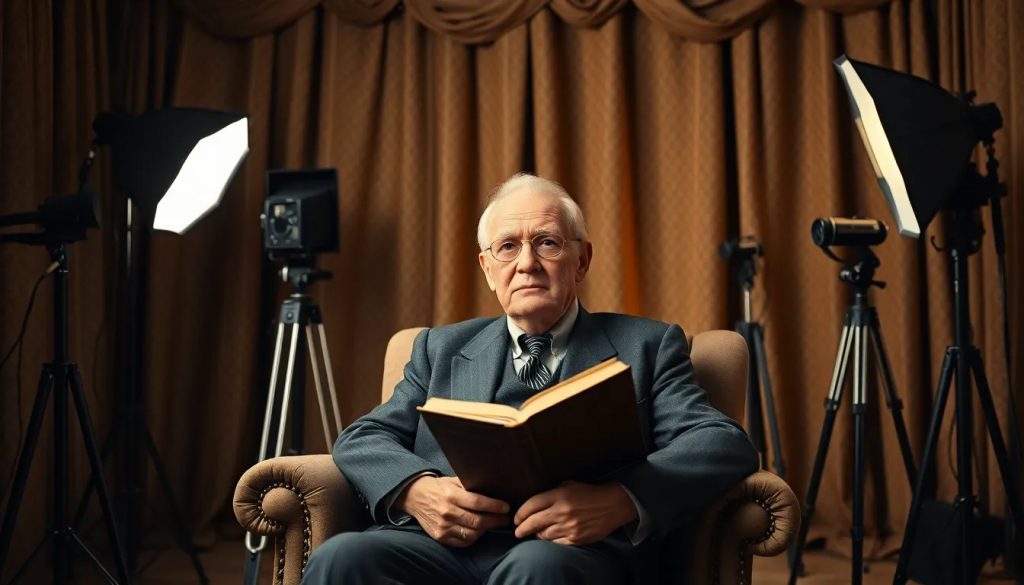
The enduring appeal of Yousuf Karsh's portrait photography lies in the unique way he captured the essence of his subjects. Decades after his time, Karsh's images continue to captivate audiences, reflecting a profound understanding of human character and emotion.
Known for his extraordinary ability to reveal the personality and spirit of his sitters, the portraits by Yousuf Karsh remain iconic in the world of photography. His work transcends mere images, becoming timeless records of history's most influential figures.
At a glance
- Historical period: 20th century
- Field: Portrait photography
- Main themes: Authenticity, emotional depth, storytelling
- Resonance: Capturing the humanity of iconic figures
Core Ideas in Karsh's Portraits
Yousuf Karsh's approach to portraiture was rooted in the belief that a photograph should delve deep into the subject's persona. His work often explored themes such as resilience, strength, and the contemplative nature of his famous sitters.
Each portrait told a story, reflecting the individual's character, achievements, and place in history. Karsh's masterful use of lighting and composition accentuated these narratives, leaving a lasting impression on the viewer.
The photographer's empathetic nature allowed him to connect with his subjects on a personal level, resulting in photographs that showcased their innermost selves. His portraits are a testament to the power of visual storytelling.
The authenticity evident in Karsh's work has made his photographs a valuable record of some of the most significant individuals of the 20th century. His ability to capture a moment's essence renders his portraits timeless.
Yousuf Karsh's Iconic Portraits
Yousuf Karsh is celebrated for his portraits of celebrated figures such as Winston Churchill and George Bernard Shaw. The depth and intensity found in these images offer a glimpse into the subject's soul, a hallmark of Karsh's style.
His portrait of Winston Churchill, with its mixture of determination and weariness, is often hailed as one of the greatest portraits ever taken. It encapsulates Churchill's spirit at a pivotal moment in history.
Another memorable image is that of George Bernard Shaw, showcasing the playwright's wit and intelligence. Karsh's portraits are more than photographs; they are historical documents that provide insight into the lives of these influential individuals.
The impact of Yousuf Karsh's work is evident in its emotional resonance and the way his portraits are still discussed and admired today. His legacy in the art of portrait photography is undeniable.
Practical Applications of Karsh's Quotes
- Reflection on the human condition through the lens of historical figures
- Journaling inspiration derived from the depth of Karsh's subjects
- Leadership and character studies in educational settings
- Fostering creativity and a deeper appreciation for photography
- Personal growth by understanding the stories behind the portraits
Annie Leibovitz - Known for her celebrity portraits, Leibovitz's intimate style resonates with Karsh's ability to capture her subjects' essence.
Richard Avedon - Avedon's minimalist portraits, focusing on personality and emotion, share the same powerful simplicity found in Karsh's work.
Irving Penn - With his fine arts approach to fashion and portraiture, Penn's work appeals to those who appreciate Karsh's meticulous composition and lighting.
Diane Arbus - Arbus's raw, honest portrayal of her subjects echoes Karsh's commitment to revealing the true character of his sitters.
Through his lens, Yousuf Karsh not only immortalized the faces of the 20th century but also captured their spirits, leaving behind a legacy that continues to inspire and teach. His approach to portraiture and the emotional depth of his work make Yousuf Karsh a name synonymous with the art of photographing humanity.