
Yusef Lateef
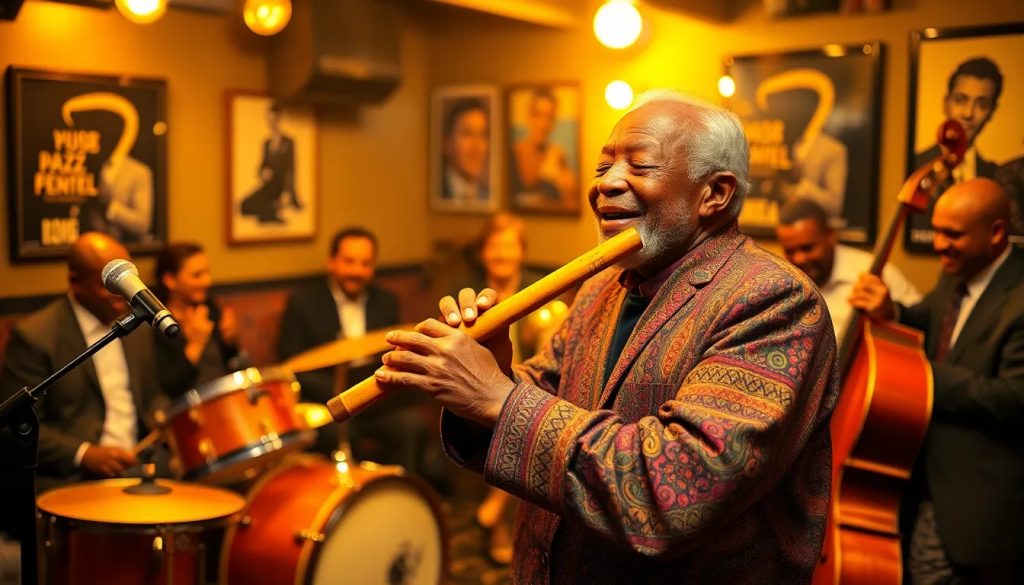
Yusef Lateef's legacy as a jazz musician and composer remains as vibrant today as it did during his lifetime. His quotes reflect the depth of his musical philosophy and his life's work. Lateef ventured beyond the conventional boundaries of jazz, incorporating elements of world music and a range of instruments, thereby creating a unique soundscape that defines his contributions to music and culture.
At a glance
- Historical period: 20th to 21st century
- Field: Jazz music
- Main themes: Cultural fusion, spirituality in music, improvisation
- Resonance: Lateef's music transcends time, influencing musicians and listeners with its depth and global sounds.
Core ideas in Yusef Lateef's quotes
Yusef Lateef's quotes often touch upon the integration of spirituality in music, the importance of cultural exploration, and the boundless nature of creativity. His words encourage us to see music as a reflection of the soul and a bridge between diverse cultures. Some recurring themes include:
- The transformative power of music on the human spirit.
- Music as a universal language that transcends cultural barriers.
- The role of the artist as an eternal student, always learning and evolving.
- The significance of authenticity and originality in artistic expression.
- Embracing the unknown and unconventional in the pursuit of new sounds.
Yusef Lateef's most representative quotes
Yusef Lateef's quotes below capture his philosophical approach to music and life. His words, much like his music, draw us into a deeper understanding of the interconnectedness of human experience. They reflect his belief in the power of music to elevate, educate, and emancipate. The context of these quotes often relates to the importance of sincerity in music, the fusion of different musical traditions, and the spiritual dimensions of creativity.
Practical ways to use Yusef Lateef's quotes
- Reflection: Contemplate the deeper meanings behind music and life.
- Journaling: Write personal interpretations of his quotes and how they relate to individual experiences.
- Leadership: Inspire others with his thoughts on innovation and lifelong learning.
- Creativity: Explore new artistic directions inspired by his advocacy for cultural fusion.
- Resilience: Draw strength from his perspective on music's role in overcoming life's challenges.
- Personal growth: Embrace his views on continuous learning and evolution as an artist.
There are several authors and musicians whose work shares similarities with Yusef Lateef's approach to music and life. Some of these include:
- John Coltrane: Known for his spiritual approach to jazz and boundary-breaking compositions.
- Ravi Shankar: His use of Indian classical music resonates with Lateef's world music influences.
- Thelonious Monk: An innovative jazz pianist, Monk's originality echoes Lateef's emphasis on authenticity.
Yusef Lateef's deeply spiritual and innovative approach to music continues to inspire musicians and audiences around the world. His broad vision of what jazz could be, enriched with sounds from around the globe, has truly made a mark on the world of music. By exploring his discography, we gain insight into a musical style that was ahead of its time, yet deeply rooted in the traditions of jazz. Yusef Lateef's ability to play multiple instruments contributed to his unique sound, blending the tenor saxophone's warmth with the exotic timbres of Eastern instruments.
Reflecting on Yusef Lateef’s impact on music, it’s evident that he was a pioneer, not just in jazz but in what later came to be known as world music. His career, which spanned over seven decades, is a testament to his dedication to exploration and innovation. From his early days in Detroit to his later years, he remained committed to pushing the boundaries of musical expression.
One cannot discuss Yusef Lateef without highlighting his best albums. Works such as "Eastern Sounds" and "The Blue Yusef Lateef" are not only critical achievements but also fan favorites that showcase his mastery and versatility. His musical journey was marked by relentless curiosity and a refusal to be confined by genre, making each album an exploration of new territory.
The question of Yusef Lateef's birth name brings us to a personal aspect of his identity. Born as William Emanuel Huddleston, he later embraced the name Yusef Lateef after converting to Islam. This change not only reflected his personal spiritual beliefs but also his broader view of incorporating diverse cultural elements into his music.
It's poignant to remember the day the music world lost this iconic figure. Yusef Lateef passed away on December 23, 2013, but his influence endures, echoing through the generations that followed. Musicians across various genres still draw inspiration from his work, ensuring that his innovative spirit lives on.
In the absence of a video carousel, we can still immerse ourselves in the rich tapestry of Yusef Lateef’s music through his recordings. His work remains a beacon for those who seek to blend the traditional with the new, the familiar with the undiscovered. Yusef Lateef’s biography and best songs offer a glimpse into the soul of a man who was not only a jazz musician and a musical innovator but a true pioneer of cultural fusion.