
Zachary Taylor
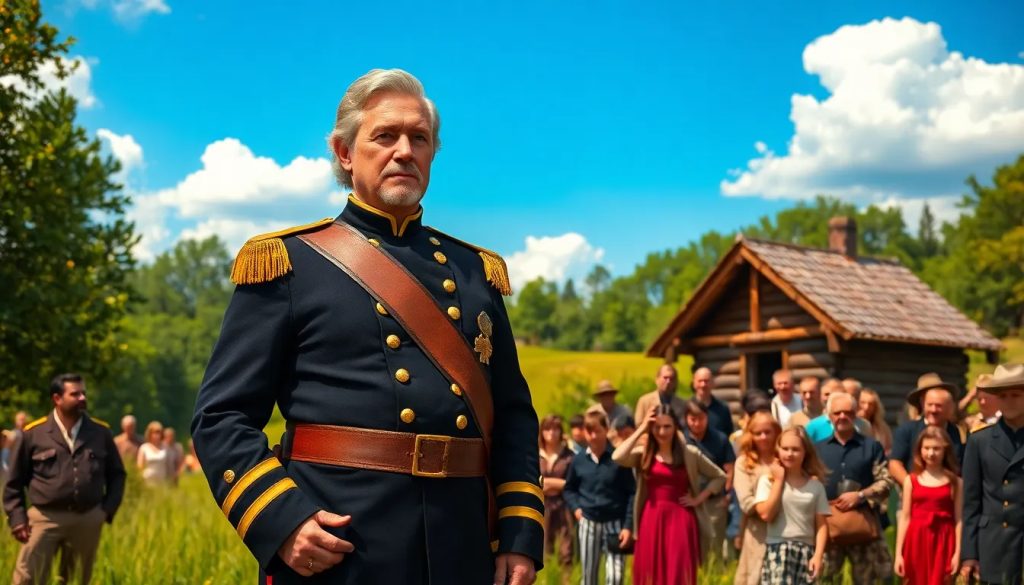
Zachary Taylor: Life, Military Career, and Presidency
The name Zachary Taylor resonates through American history as a symbol of both military prowess and the complexities of political leadership during a time of national turmoil. A career soldier thrust into the highest office, Taylor’s life and presidency were steeped in the era’s most contentious issue: the expansion of slavery.
At a Glance
- Historical period: Early to mid-19th century
- Field or role: Military leader, 12th President of the United States
- Main themes: Leadership in war, national unity, territorial expansion
- Resonance: A complex figure, his stance on slavery and national politics left a lasting impact on American history
Core Ideas in Taylor's Leadership
Zachary Taylor's military achievements were a testament to his leadership and strategic acumen. His reputation, built upon victories in the Mexican-American War, notably at Buena Vista, solidified his status as a national hero. However, his presidency was a time of strife, faced with the challenge of balancing the interests of a nation divided over slavery.
Taylor's personal life was rooted in the very institution he grappled with politically. Owning plantations and enslaved people, his views on slavery were seen as enigmatic. He opposed the spread of slavery into new territories, which went against the interests of many fellow Southerners, yet his own life was intertwined with the practice.
The ambiguity of Zachary Taylor's positions on key issues like slavery reflects the broader tensions of his time. His sudden death left many questions unanswered and further complicated his legacy, thrusting his Vice President, Millard Fillmore, into a role that would navigate the fragile compromises of the era.
Famous Battles and Presidency Challenges
Taylor's military career was marked by a series of famous battles that established him as a formidable leader. His presidency, on the other hand, was defined by its challenges. The pressing issue of slavery’s expansion into territories like California and New Mexico dominated his short term in office, overshadowing other aspects of his administration.
Taylor's Family and Political Ties
Zachary Taylor's family history is as much a part of his story as his public life. His children, including his daughter Sarah Knox Taylor, who married the future Confederate President Jefferson Davis, provide a glimpse into the personal life of a man often remembered for his public persona.
The Whig Party, to which Taylor belonged, was a political platform he used to further his presidential aspirations. However, his tenure was too short to fully implement a Whig agenda or to see the long-term effects of his political decisions.
Taylor's Impact on Slavery Debates
The Zachary Taylor and slavery debates are a critical part of understanding his presidency. While he was a slaveholder himself, Taylor's resistance to the expansion of slavery into new territories added a layer of contradiction to his tenure. This stance, although not entirely abolitionist, contributed to the intense discourse that preceded the Civil War.
Practical Uses of Taylor's Leadership Lessons
- Reflection: Considering the dichotomy between Taylor’s personal life and political actions offers insights into the complexities of leadership.
- Journaling: His decisions can serve as prompts for exploring personal beliefs versus public actions.
- Leadership: Taylor's navigation of divided loyalties offers a case study in leading through ambiguity.
- Resilience: His unexpected rise to the presidency is a testament to resilience in the face of unforeseen challenges.
Comparable figures in history who share themes with Zachary Taylor include:
- Andrew Jackson: Like Taylor, Jackson was a military hero who became president, and his era also grappled with the question of states’ rights versus federal authority.
- Henry Clay: A leading Whig politician who also sought compromise on the issue of slavery, Clay’s political career overlapped with Taylor's tenure.
- Abraham Lincoln: Though from a later period, Lincoln dealt with the consequences of the unresolved issues from Taylor’s presidency, especially regarding slavery.
In understanding the life and legacy of Zachary Taylor, it's crucial to acknowledge the lasting effects his military and presidential actions had on the course of American history. His role in the Mexican-American War, his stance on slavery, and his political affiliations paint the picture of a man whose time in office was as complex as the era he lived in. Through his famous quotes and decisions, we gain insights into the character of a leader who walked the line between two different Americas at a time when the nation was on the brink of irrevocable change.