
Zane Grey
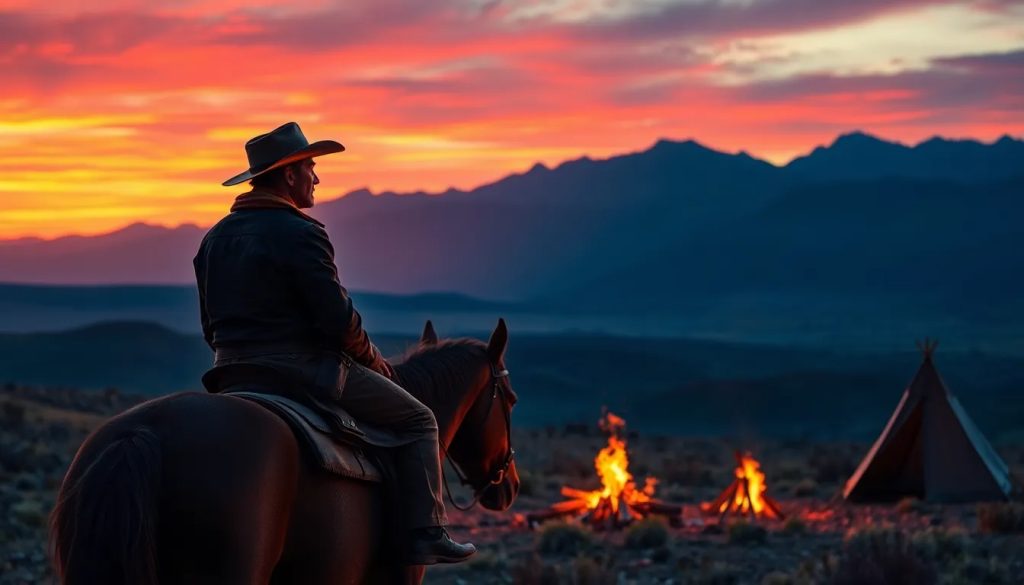
The name Zane Grey conjures images of the untamed American West, of cowboys and outlaws, of dusty trails and distant horizons. Why do the tales spun by this master storyteller continue to resonate in the hearts and minds of readers and dreamers alike? Perhaps it's because in Grey's vivid narratives, we find an era of adventure and the eternal struggle between man and nature, good and evil, the individual and the frontier.
- Zane Grey: His Early Life and Influences
- What Were Zane Grey's Notable Works?
- How Did Zane Grey's Life Shape His Writing?
- What Is Zane Grey's Connection to the American West?
- When Did Zane Grey Die and What Was His Legacy?
- How Did Zane Grey Impact Western Literature?
- Where Can You Learn More About Zane Grey?
Zane Grey: His Early Life and Influences
Born Pearl Zane Grey in 1872, the future architect of the Western genre cultivated a love for adventure from an early age. His youth was marked by a duality of passions: the serene tranquility of fishing and the raw excitement of baseball. These formative experiences would later permeate his writings, providing a lens through which he viewed the world.
Educated as a dentist, Grey's heart was set on the boundless potential of storytelling. His pivot from dentistry to writing was more than a career change; it was a leap of faith towards fulfilling his true calling. The backdrop for many of Grey's stories was inspired by the rugged landscapes he encountered, most notably in Lackawaxen, Pennsylvania, and during his transformative excursions to the Grand Canyon.
Grey's journey into the heart of the American West began with an auspicious meeting with Charles "Buffalo" Jones. This encounter would not only ignite Grey's imagination but also launch him onto a path of exploration that would define his life's work.
What Were Zane Grey's Notable Works?
Zane Grey's bibliography is a testament to his prolific talent, with over 90 books to his name. His novels, including the celebrated Riders of the Purple Sage, transcended mere entertainment, painting a rich tapestry of the old West that continues to be cherished by generations. The allure of Grey's storytelling lies not only in the sweeping landscapes and gripping action but in the deep humanity he imparts to each character.
- Riders of the Purple Sage (1912) - A defining novel of the Western genre
- The Rainbow Trail (1915) - The vibrant sequel to Riders of the Purple Sage
- The Last of the Plainsmen (1908) - A real-life adventure with Buffalo Jones
- The Vanishing American (1925) - A poignant narrative on the plight of Native Americans
These books, among others, encapsulate the essence of Zane Grey's vision: a world where nature's grandeur serves as a canvas for human drama and the enduring spirit of the American dream.
How Did Zane Grey's Life Shape His Writing?
From his early days as a minor league baseball player to his final days as an acclaimed author, Zane Grey's life was a narrative in itself. His works are imbued with the fervor of his experiences, from the rugged wilderness explorations to the tranquility of fishing trips that provided solace and inspiration. His reverence for nature and the thrill of the chase were recurrent motifs woven into the fabric of his tales.
Grey's dedication to authenticity led him to the landscapes that formed the settings of his novels. He sought to capture the essence of the American West by living it, breathing it, and ultimately, sharing it through his words. His characters, often larger-than-life yet grounded in reality, were shaped by the very forces that had a profound impact on Grey's own worldview.
What Is Zane Grey's Connection to the American West?
The American West was not just a geographical location for Zane Grey; it was a conceptual space where his imagination roamed free. His connection to this region was spiritual and profound, a nexus of his personal legend and the collective mythos of a nation. The West represented an untamed beauty, a horizon of both physical and narrative possibilities, which Grey captured with unparalleled skill.
Grey's narratives were not mere stories; they were cultural artifacts that encapsulated the ethos of an era. From the rugged terrain of the Grand Canyon to the dusty streets of frontier towns, he documented and celebrated the spirit of the West, leaving an indelible imprint on American literature and identity.
When Did Zane Grey Die and What Was His Legacy?
Zane Grey passed away on October 23, 1939, but his legacy is immortal, enduring through the countless readers who venture into his written worlds. His contribution to literature was not simply a collection of novels but a cornerstone of the Western genre that would influence countless authors and filmmakers.
His abiding influence is evidenced by the continued interest in his works, the preservation of his residences as museums, and the ongoing adaptations of his stories for the screen. Grey's ability to distill the essence of the American West into narratives of heroism, adventure, and conflict has ensured his place in the pantheon of great American storytellers.
How Did Zane Grey Impact Western Literature?
Often hailed as the "Father of the Western Novel," Zane Grey's impact on Western literature can hardly be overstated. He laid the foundations for a genre that celebrated the American frontier's rugged beauty and the resilience of those who inhabited it. His work resonated with readers worldwide, painting a romanticized yet compelling picture of the old West that shaped global perceptions of this historic period.
Grey's influence extends beyond the printed page; his stories served as a blueprint for countless Western films, imprinting his vision of the West onto the silver screen. The very archetype of the Western hero, with a strong moral compass set against a backdrop of lawlessness, is a motif that can be traced back to Grey's rich imagination.
Where Can You Learn More About Zane Grey?
For those eager to delve deeper into the life and works of Zane Grey, a wealth of resources awaits. His preserved homes, including the cabin in Arizona that now serves as a museum, offer a tangible connection to the author and his era. Furthermore, the Zane Grey's West Society remains a bastion for scholarship and appreciation, fostering a community of enthusiasts dedicated to preserving and promoting his legacy.
- Lackawaxen, Pennsylvania - Home to the Zane Grey Museum
- Payson, Arizona - Where Grey's cabin is preserved
- Zane Grey's West Society - An organization devoted to his life and works
Whether through the pages of his novels, the screens of adaptations, or the halls of museums, Zane Grey's spirit endures, inviting new generations to explore the rugged landscapes of the American West and the enduring allure of its tales.
Explore more on related themes: Western novels, American literature, pioneering authors, fishing stories, frontier life.