
Zhu Rongji
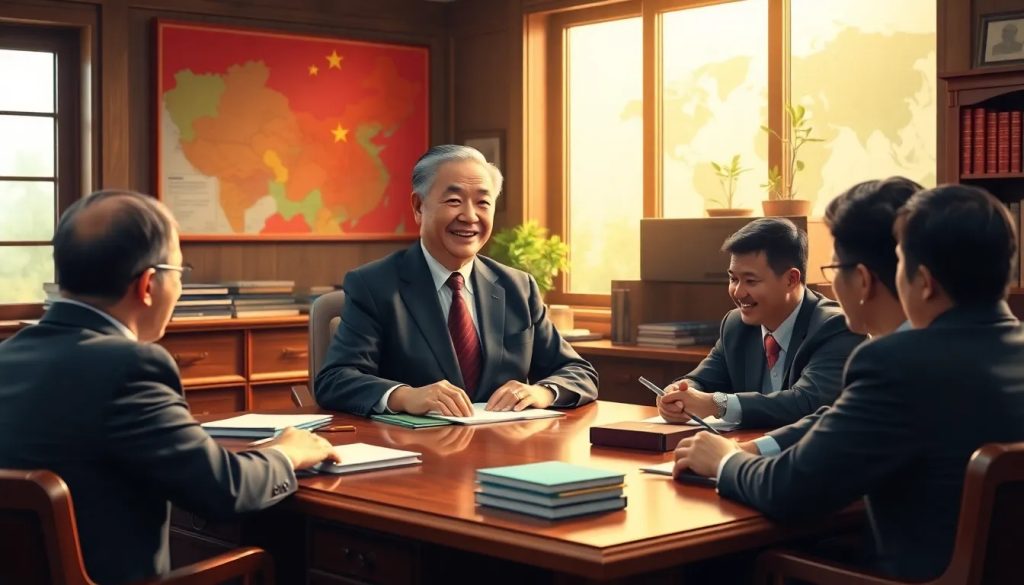
Despite the passage of time, the words and wisdom of influential figures continue to resonate. Zhu Rongji, with his pivotal role in China's economic transformation, remains a significant figure whose thoughts and policies are still read and discussed today. His forward-thinking approach helped to shape not only China's modernization but also its position in the global economic landscape.
At a glance
- Historical period: Late 20th to early 21st century
- Field or role: Premier of the People's Republic of China
- Main themes: Economic reform, anti-corruption, modernization
- Resonance: Zhu's leadership helped transition China towards a market-oriented economy, improving billions of lives and contributing to China's rise as a global power.
Core ideas in Zhu Rongji's quotes
Zhu Rongji's quotes encapsulate the essence of his leadership style and vision for China. They reflect a pragmatic approach to economic policy, a staunch stance against corruption, and a clear understanding of the challenges faced during China's market transition. These themes not only narrate the tale of a nation's journey to economic power but also offer timeless wisdom on governance and reform.
One of the recurring themes in Zhu's rhetoric is his commitment to structural reform. He often spoke about the necessity of revamping outdated systems to achieve efficiency and growth. His quotes also touch upon the importance of international cooperation and how it could be a boon for China's economy.
Anti-corruption was a pillar of Zhu's tenure; his quotes reflect the importance he placed on integrity and transparency in government. Moreover, he frequently discussed the role of government size and bureaucracy, emphasizing the need for a smaller, more capable government.
Finally, Zhu's views on social welfare systems like healthcare and housing highlight his understanding of the social dimensions of economic reform. His quotes in this realm suggest a leader who was considerate of the human impact of policy.
Zhu Rongji's most representative quotes
Zhu Rongji's quotes, a reflection of his economic and political acumen, continue to be a source of insight for policymakers and scholars. While the quotes below epitomize his pragmatic approach to China's challenges, they also provide a thematic understanding of the complexity and foresight required to steer a nation through monumental change.
In the realm of economic reform, Zhu's words often highlighted the balance between maintaining stability and encouraging growth. His commentary on opening up China's markets to the world shed light on his strategic vision for integrating China into the global economy.
On anti-corruption efforts, Zhu's quotes revealed his relentless drive to weed out corruption from the political system, recognizing it as a critical barrier to progress and social equity.
Practical ways to use Zhu Rongji's quotes
- Reflection: Consider the long-term impact of reforms and policy decisions.
- Journaling: Write about the balance between economic growth and stability.
- Leadership: Emulate Zhu's decisive yet pragmatic approach in leadership roles.
- Creativity: Apply his strategic thinking to innovative problem-solving.
- Resilience and personal growth: Learn from Zhu's persistence in the face of challenges.
Deng Xiaoping: Like Zhu, Deng is celebrated for his role in China's economic reforms and opening up to the global market.
Lee Kuan Yew: The founding father of Singapore, Lee's thoughts on governance and economic development have often been compared to Zhu's pragmatic policies.
Milton Friedman: While coming from a different school of economic thought, Friedman's ideas on the free market and minimal government intervention echo some of Zhu's reformative actions.
Exploring the nuanced and multifaceted impact of Zhu Rongji on China's economy and his leadership during the significant period of economic reforms provides a window into the thought process of one of China's most influential leaders. His speeches and writings, particularly his book "The Road to Reform," offer a detailed account of his work and its lasting legacy.
Zhu's policies not only reduced government size but also overhauled banking, healthcare, and housing, setting the stage for China's eventual rise as a global economic powerhouse. His influence and the significance of his role in the market transition of China cannot be overstated, and the discussion on whether his contributions merit a Nobel Prize speaks volumes about his global impact.
While Zhu Rongji's age and current activities remain a point of curiosity for many, his legacy endures through the policies he implemented and the progress they spurred. His anti-corruption efforts are particularly noteworthy, as they exemplify his dedication to integrity and good governance.
In conclusion, Zhu Rongji's work during his tenure as Premier is crucial for understanding not only the historical transformation of China's economy but also the broader implications of such reforms in the context of global economics. His legacy, encapsulated in his profound quotes and policies, continues to guide current discussions and debates on China's economic journey and the strategies that have driven its ascent on the world stage.