
Zora Neale Hurston
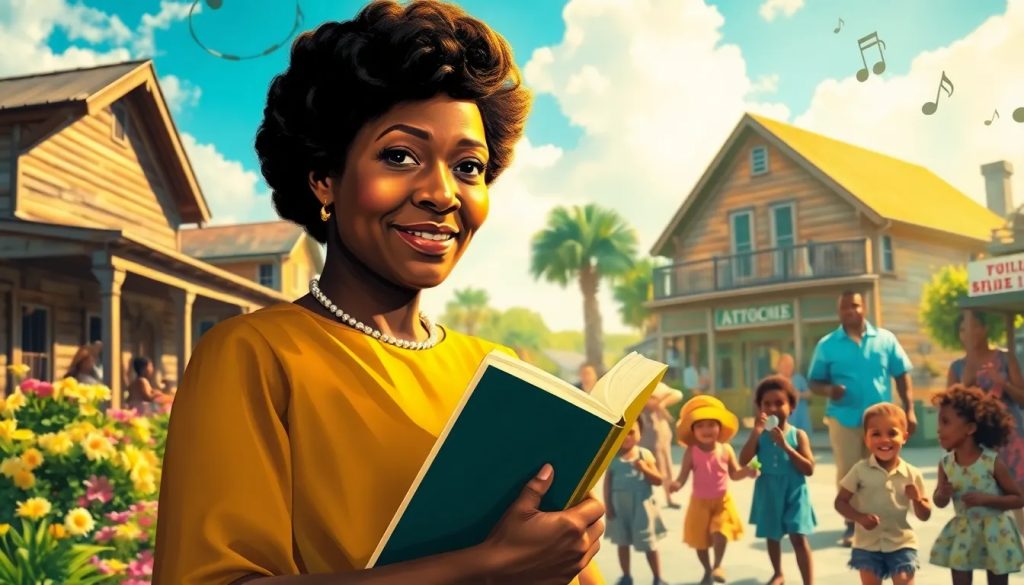
The enduring relevance of Zora Neale Hurston's quotes stems from her unmatched ability to capture the essence of African American experience with wit, wisdom, and an unflinching eye. Her words resonate as much today as they did during her lifetime, offering insights into race, gender, and the human condition.
As a central figure in the Harlem Renaissance, her eloquent commentary on life's complexities has transcended generations, making her a beacon for readers and writers seeking authenticity and empowerment through literature.
- Why Is Zora Neale Hurston Important?
- What Are Some of Zora Neale Hurston's Famous Works?
- What Themes Are Present In Zora Neale Hurston's Books?
- How Did Zora Neale Hurston Contribute To The Harlem Renaissance?
- What Is The Significance Of "Their Eyes Were Watching God"?
- What Quotes Capture Zora Neale Hurston's Perspective?
- What Is Zora Neale Hurston's Background And Nationality?
- Practical Ways to Use Zora Neale Hurston's Quotes
- Authors Often Compared to Zora Neale Hurston
Why Is Zora Neale Hurston Important?
Zora Neale Hurston is more than a literary figure; she's a cultural beacon whose work illuminated the richness and depth of African American folklore, language, and experience. Her importance lies not only in her literary prowess but also in her dedication to capturing the essence of her subjects.
Her unique anthropological approach to storytelling brought to life the voices of African Americans in a way that was unprecedented at the time. Through her work, she paved the way for future generations to explore themes of heritage and identity.
What Are Some of Zora Neale Hurston's Famous Works?
- "Their Eyes Were Watching God"
- "Mules and Men"
- "Jonah’s Gourd Vine"
- "Tell My Horse"
- "Dust Tracks on a Road"
Hurston's bibliography is a testament to her versatility and depth as a writer and researcher. Each work provides a unique perspective on the life and culture of African Americans, with "Their Eyes Were Watching God" sitting at the pinnacle as her most celebrated novel.
What Themes Are Present In Zora Neale Hurston's Books?
Hurston's writing vividly explores themes such as racial identity, feminism, love, and community. Her characters often struggle with societal constraints, but they also embody resilience and a strong sense of self.
Moreover, her anthropological background allowed her to weave folklore and spiritual practices into her narratives, showcasing her deep understanding and appreciation of African American cultural expressions.
How Did Zora Neale Hurston Contribute To The Harlem Renaissance?
During the Harlem Renaissance, Hurston's work was a catalyst for conversation about the role of African American culture in art. Her literary and anthropological contributions helped to shape the movement's dialogue around black identity and cultural autonomy.
By celebrating African American dialect, folklore, and spirituality in her writing, she challenged prevailing stereotypes and offered a more nuanced portrayal of black life.
What Is The Significance Of "Their Eyes Were Watching God"?
This novel's significance lies in its rich portrayal of black womanhood and its exploration of themes like autonomy, self-realization, and the complexities of love and marriage.
The protagonist, Janie Crawford, through her three marriages, navigates the tumultuous waters of love and loss, ultimately finding a sense of self that is untethered from societal expectations.
What Quotes Capture Zora Neale Hurston's Perspective?
Hurston's words often reflected her larger-than-life personality and her unshakeable belief in the power of self-expression and individualism.
Her quotes such as, "I am not tragically colored. There is no great sorrow dammed up in my soul, nor lurking behind my eyes... Even in the helter-skelter skirmish that is my life, I have seen that the world is to the strong regardless of a little pigmentation more or less," capture her defiant stance against societal norms and her celebration of her identity.
What Is Zora Neale Hurston's Background And Nationality?
Zora Neale Hurston was born in Notasulga, Alabama, in 1891 and grew up in Eatonville, Florida. She was an African American writer and anthropologist, educated at Howard University and Barnard College, and was a significant figure in the Harlem Renaissance.
Her work is a reflection of her Southern upbringing and her deep engagement with African American culture, which she studied extensively during her lifetime.
Practical Ways to Use Zora Neale Hurston's Quotes
- Reflection on personal identity and resilience
- Journaling prompts for exploring cultural heritage
- Leadership and empowerment discussions
- Enhancing creative writing and character development
- Building resilience and understanding historical contexts
Her quotes serve as powerful tools for personal growth and understanding, and can be particularly inspiring for those navigating their own cultural and individual identities.
Toni Morrison - Like Hurston, Morrison explored the complexities of African American identity and culture in her work.
Maya Angelou - Angelou's writing also deeply investigates the African American female experience, resonating with Hurston's themes.
Alice Walker - Walker has been vocal about Hurston's influence on her writing, and her explorations of black womanhood echo Hurston's legacy.
These authors, among others, continue to build upon the foundations that Hurston laid, each adding their own voice to the chorus that she started.
Explore more on related themes:
For those looking to delve deeper into the context and influence of Zora Neale Hurston, the following video offers insights into her life and legacy:
In conclusion, Zora Neale Hurston's work remains a cornerstone of African American literature and cultural study. Her quotes encapsulate her remarkable perspective, one that continues to empower and inspire. Through her words, we gain a deeper understanding of the human experience, particularly the life and resilience of African American communities.